
Night shifts in pregnancy linked to child development flags at age four
 By Vikram JoshiLife Balance Correspondent, Peepals Shakti

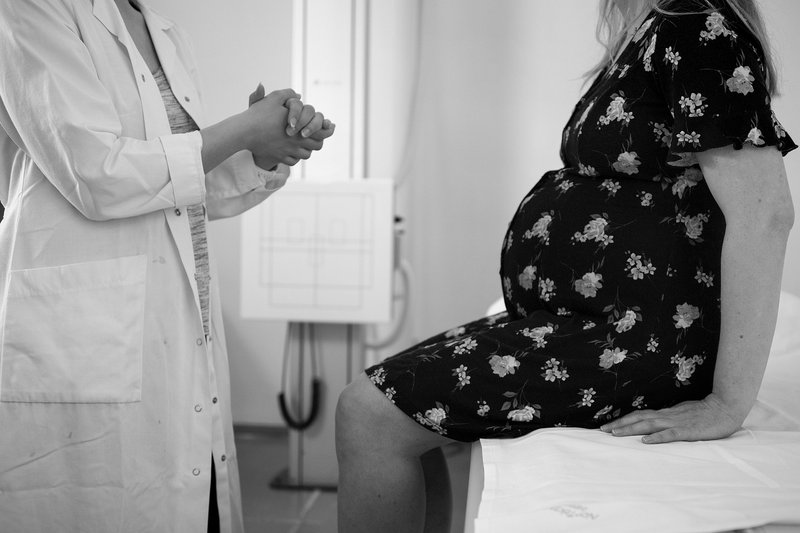
Representative image: HalcyonMarine / Pixabay
A Japanese study of 31,528 mothers, published October 27, 2026, links night work through pregnancy to higher developmental screening risk in children at four.
What Happened
A large study from Japan has linked working night shifts during pregnancy with a higher chance that a child is flagged for possible developmental delay at the age of four. The research, which drew on more than 31,500 working mothers in the Japan Environment and Children's Study, was published in the journal Occupational and Environmental Medicine on Tuesday, October 27, 2026. The link was strongest among mothers who kept working nights throughout pregnancy. The study is observational, so it shows an association, not proof that night work causes the delays.
Key Facts
- The study included 31,528 mothers who were in paid work during the first three months of pregnancy and whose children were screened at age four.
- Of these, 27,665 did not work nights, 1,779 stopped night shifts after early pregnancy and 2,084 continued night shifts throughout pregnancy.
- Children were screened with the Japanese version of the Ages and Stages Questionnaire, a parent-completed check covering communication, gross motor, fine motor, problem-solving and personal-social skills.
- About 13% of all the children screened as high risk in at least one of the five areas.
- Children of mothers who worked nights throughout pregnancy were more likely to screen high risk in communication (29% higher), fine motor skills (34% higher) and personal-social functioning (31% higher), according to the publisher's summary.
- Where mothers stopped night work after early pregnancy, only fine motor skills showed a higher risk, about 24%, according to the same summary.
- The authors could not account for shift rotation patterns, workload, light exposure, body-clock type or exactly when night work stopped.
Why It Matters
Millions of women work at night: nurses and doctors, factory and warehouse staff, airline crew, police and security staff, and employees of round-the-clock customer-service centres. For a pregnant woman in such a job, the question of whether to keep working nights is not only a health question but also one of income, job security and how much say she has over her roster. Studies like this one feed directly into that conversation.
The findings add to earlier research on shift work and pregnancy. Night work disturbs the body clock, the internal 24-hour rhythm that governs sleep, hormones and many other functions. The researchers' exploratory analysis suggested that how long mothers slept each night during pregnancy may change the strength of the link, though they describe this part as preliminary. That points to sleep, rather than the night shift as such, as one possible pathway, but the study was not designed to prove this.
It is important to read the numbers correctly. A screening questionnaire flags children who may need a closer look; it is not a diagnosis. A "29% higher" risk is a relative figure: it compares one group with another, and does not mean that 29% of the children had a problem. Most children in every group did not screen high risk. Because the mothers were not randomly assigned to night work, other differences between the groups, such as income, stress or the type of job, may explain part of the link.
| Group of mothers | Number in study | Reported pattern in children at age 4 |
|---|---|---|
| No night shifts | 27,665 | Comparison group |
| Stopped night shifts after early pregnancy | 1,779 | Higher risk only in fine motor skills (about 24%) |
| Night shifts throughout pregnancy | 2,084 | Higher risk in communication, fine motor and personal-social skills |
According to the journal's publisher, the authors suggest it may be worth employers considering flexible work schedules for pregnant women on night shifts. For women and families, the practical message is to raise roster concerns early with an employer and with the doctor or midwife handling the pregnancy, and to treat routine child development checks as an opportunity to catch any delay early, when support works best.
Impact
Short-term: The study is likely to prompt questions from pregnant night workers to their doctors and employers about rosters, rest and whether moving to day work is possible.
Long-term: If later research confirms the link and clarifies the role of sleep, it could shape workplace guidance on night work in pregnancy and push employers towards more flexible rostering.
Who is affected: Pregnant women who work night or rotating shifts, especially in healthcare, manufacturing, transport and service centres; their families; employers and human-resources teams; and child health workers who carry out developmental screening.
Key Takeaway
A Japanese study of 31,528 mothers, published on October 27, 2026, links night shifts throughout pregnancy to a higher chance of a child screening for possible developmental delay at four, but it shows an association, not cause.
Questions and Answers
Does working night shifts during pregnancy cause developmental delays in children?
The study does not show that. It found that children of mothers who worked nights throughout pregnancy were more likely to screen as high risk in some areas at age four, but it is observational and the authors could not rule out other explanations such as workload or light exposure.
What did the study find for women who stopped night shifts early in pregnancy?
For mothers who stopped night work after the first trimester, only fine motor skills, such as using the hands and fingers for small tasks, showed a higher risk, about 24% according to the publisher's summary. The other areas showed no clear link.
Does a high-risk screening result mean a child has a disorder?
No. The questionnaire used in the study flags children who may need a closer assessment. It is a screening step, not a diagnosis, and many flagged children develop normally or catch up with support.
What can a pregnant woman who works nights do?
She can discuss her roster with her doctor or midwife and with her employer early in pregnancy, ask whether day work or flexible shifts are possible, and protect her sleep where she can. This study gives no medical instructions, so individual decisions should be made with a health professional.
Disclaimer: Prepared by the Peepals newsroom from publicly available sources with AI assistance. Information is accurate to the best of our knowledge at the time of publication and may change. Images may be representative. Not professional advice. Report an error via our contact page.
By Vikram Joshi, Life Balance CorrespondentCovers Life Balance and more for Peepals Shakti. All stories by Vikram Joshi
Primark joins Denim Deal push for 1 billion recycled-cotton jeans by 2030
Toddler brains respond differently to play with parents than to movies: study
Get the day's stories in your inbox
Peepals Weekly: the week decoded, free. One email a week, unsubscribe in one click.
Vikram Joshi is a pen name of the Peepals Global Editorial Team, which researches, fact-checks and publishes every story. The portrait is an illustration.