

UK immigration rules: settlement wait doubles to 10 years for most migrants
 By Rohan SalujaGeopolitics Editor, Peepals Global
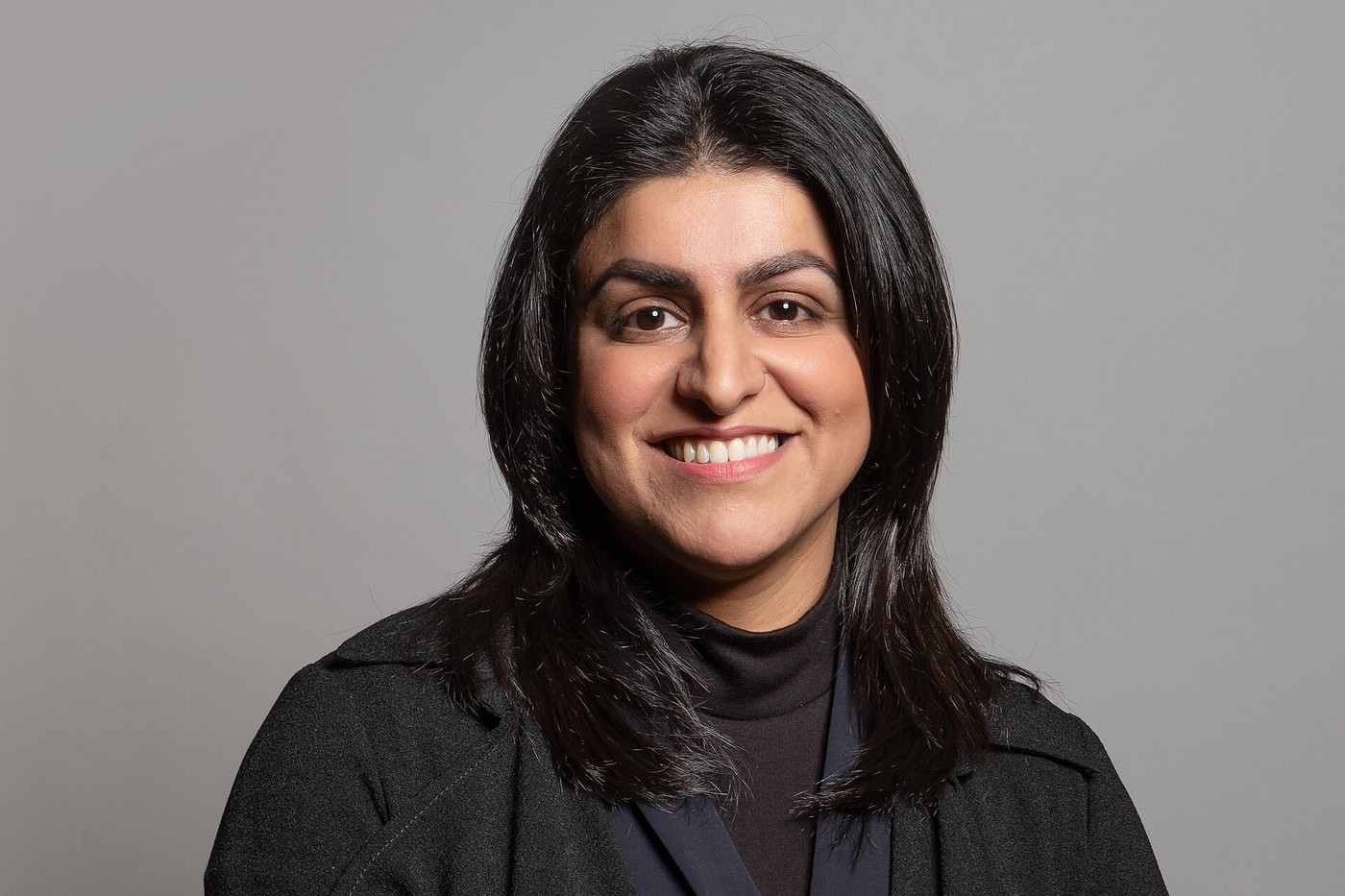
File photo: Richard Townshend (CC BY 3.0), via Wikimedia Commons
UK Home Secretary Shabana Mahmood on 2 November 2026 set out an 'earned settlement' model: most migrants will wait 10 years, not five, for indefinite leave to remain.
What Happened
Britain's Home Secretary, Shabana Mahmood, set out tougher rules on Monday, 2 November 2026, for migrants who want to settle permanently in the United Kingdom. Under what the government calls an "earned settlement" model, most migrants will now have to wait 10 years, instead of five, before they can apply for indefinite leave to remain, the status that lets a person live and work in Britain without time limits. Higher earners and some public-service workers keep a five-year route, the highest earners can settle within three years, and people who have broken immigration rules face at least 20 years. In a change from earlier proposals, the government dropped a plan to make some care workers wait 15 years. The Home Office estimates that more than 500,000 people will now wait longer than five years to settle.
Key Facts
- Default wait: 10 years for most migrants, up from five.
- Five-year route kept for: people earning more than £50,271 a year, and some public-service workers such as doctors, nurses and teachers.
- Care workers: those who arrived before May 2025 and earn at least £25,000 keep a five-year route; a planned 15-year wait was dropped.
- Fastest route: the highest earners can settle within three years.
- Rule-breakers: people who have breached immigration rules must wait at least 20 years; refugees who arrived by small boat face 20 years, rising to 30 if they do not work or study.
- Conditions: a clean criminal record, a high standard of English, a sustained economic contribution and no debts.
- Existing status: people who already hold settled status are not affected.
- Scale: the government estimates over 500,000 people will wait longer than five years.
Why It Matters
Indefinite leave to remain is the key step for most migrants who want to build a life in Britain. It ends the need to keep renewing a visa. For years, most people on work routes could apply after five years. Doubling that period changes the planning of hundreds of thousands of households: how long they keep paying visa fees, whether they can change jobs freely, and when their children's status becomes secure.
The government has argued that settlement should be earned through work, tax paid and integration rather than granted almost automatically with time. Pay thresholds are the clearest sign of that: someone earning above £50,271 can still settle in five years, while someone earning less waits twice as long, unless they work in specified public services.
The softening on care workers is significant. By keeping a five-year route for care workers who arrived before May 2025 and earn at least £25,000, the government has limited the impact on care workers already in the country, while making the rules tighter for those who arrive later.
For readers in India, the change matters for professionals, nurses, care workers and students who plan to work in Britain after graduating. A longer path to settlement means more years on temporary visas and more uncertainty, unless a person's salary or job qualifies for a shorter route.
Peepals calculation: Doubling the default wait from five to 10 years is a 100% increase ((10 − 5) ÷ 5 = 1). A care worker's route is now five years against the 15 once proposed, a cut of two-thirds ((15 − 5) ÷ 15 ≈ 0.67). A person who breached the rules waits at least four times the old standard (20 ÷ 5 = 4). The five-year earnings threshold of £50,271 is about twice the £25,000 level set for care workers (50,271 ÷ 25,000 ≈ 2.0). Our calculation from the reported figures.
| Group | Wait for settlement |
|---|---|
| Most migrants | 10 years |
| Earning over £50,271, or doctors, nurses, teachers | 5 years |
| Highest earners | 3 years |
| Care workers (arrived before May 2025, earning £25,000+) | 5 years |
| Immigration rule breakers | At least 20 years |
Impact
Short-term: Migrants on UK work visas need to check which route applies to them, and many will face extra years of visa renewals. Those already settled are not affected.
Long-term: The rules are meant to lower net migration and tie settlement more closely to pay and contribution. Employers in lower-paid sectors may find it harder to attract and keep overseas staff.
Who is affected: Skilled workers, care workers, students planning to stay after graduating, refugees, UK employers that rely on overseas staff, and families of migrants.
Key Takeaway
Britain has doubled the standard wait for permanent settlement to 10 years, keeping faster routes for high earners and key public-service workers and dropping a 15-year plan for care workers.
Questions and Answers
What are the new UK immigration rules on settlement?
Announced on 2 November 2026, they set a default 10-year wait for indefinite leave to remain for most migrants, instead of five, under an "earned settlement" model.
Who can still settle in the UK after five years?
People earning more than £50,271, some public-service workers such as doctors, nurses and teachers, and care workers who arrived before May 2025 and earn at least £25,000.
Do the new rules affect people who already have settled status?
No. The government says existing settled status is not affected.
What conditions apply to earn settlement?
Applicants need a clean criminal record, a high standard of English, a sustained economic contribution and no debts, according to the government's proposals.
Disclaimer: Prepared by the Peepals newsroom from publicly available sources with AI assistance. Information is accurate to the best of our knowledge at the time of publication and may change. Images may be representative. Not professional advice. Report an error via our contact page.
By Rohan Saluja, Geopolitics EditorCovers Geopolitics and more for Peepals Global. All stories by Rohan Saluja
India vs Korea hockey: India win 8-0, set up semi-final rematch
Casap gets $56 million Series B from Base10 to automate card chargebacks
Get the day's stories in your inbox
Peepals Weekly: the week decoded, free. One email a week, unsubscribe in one click.
Rohan Saluja is a pen name of the Peepals Global Editorial Team, which researches, fact-checks and publishes every story. The portrait is an illustration.