
Russia offers non-aggression pacts to individual NATO states after Abu Dhabi talks
 By Rohan SalujaGeopolitics Editor, Peepals Global
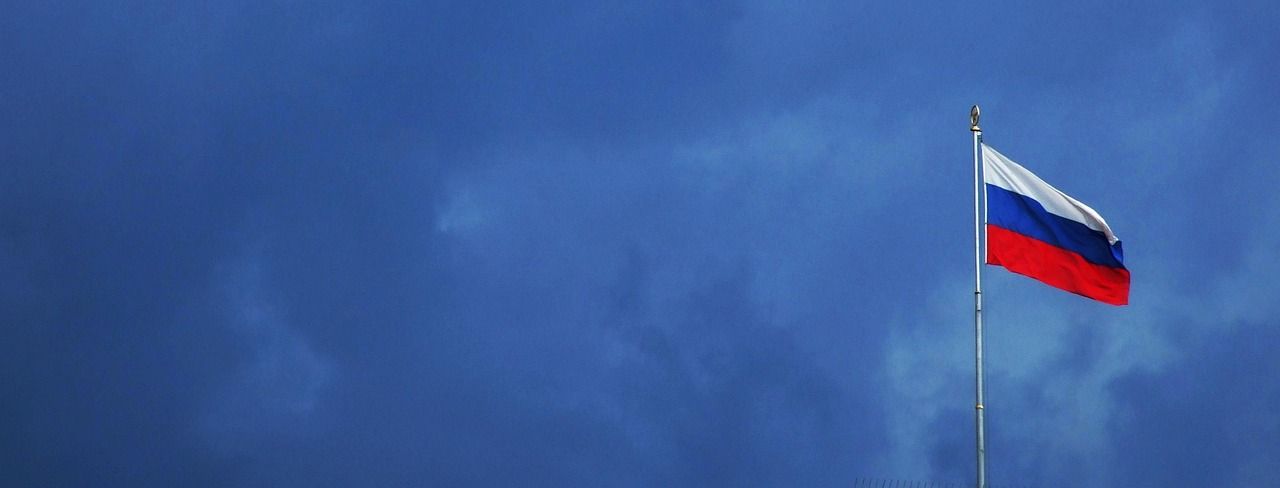
Representative image: EvgeniT / Pixabay
Russia said on 11 November 2026 it could sign separate non-aggression pacts with individual NATO states, as Abu Dhabi Ukraine talks ended without a breakthrough.
What Happened
A senior Russian Foreign Ministry official, Alexey Drobinin, said on Wednesday, 11 November 2026, that Moscow could sign separate non-aggression pacts with individual NATO member states, offering them what he called additional individual security guarantees from Russia. He made the remarks at a security conference in Moscow on the same day that two days of Russia, United States and Ukraine talks in Abu Dhabi ended with agreement in principle on a large prisoner exchange but no breakthrough on a ceasefire, territory or security guarantees.
Russia non-aggression pact NATO: key facts
- Who and when: Alexey Drobinin, a Russian Foreign Ministry official, speaking at a security conference in Moscow on 11 November 2026.
- The offer: bilateral non-aggression agreements with individual NATO countries, which he said would then receive additional individual security guarantees from Russia.
- He set out three models for a future security system: a defensive alliance or mutual-assistance treaties, like Russia's agreements with Belarus and North Korea; political pledges not to help each other's adversaries in case of aggression, like Russia's pact with Iran; and bilateral non-aggression pacts.
- He also proposed that participants not provide their territory, transit routes or industrial capacity for military operations against other participants, according to reports of the speech.
- Context: Russia's chief negotiator Vladimir Medinsky said European security was the central topic of the Abu Dhabi talks, which ended on 11 November with agreement in principle on a large-scale prisoner exchange.
- No public response from NATO or its member governments was reported alongside the remarks.
Russia non-aggression pact NATO: why it matters
NATO is built on collective defence: an attack on one member is treated as an attack on all. An offer of separate, one-to-one pacts with individual members is a different model. It would give each country its own arrangement with Russia, alongside, or in place of, the alliance's shared commitments. Moscow presented the idea as part of a new security architecture for Europe, a phrase Russian officials have used for the post-war order they want discussed in the Ukraine peace process.
The timing ties the idea to the negotiations. Medinsky said the war had exposed serious weaknesses in Europe's existing security framework and called for a new continental security system once fighting ends. At the same time, he dismissed a seat for European governments at the table for now, saying the Russian delegation had neither met nor scheduled meetings with European representatives in Abu Dhabi. The US side has taken a different line: envoy Jared Kushner wrote before the talks that a lasting settlement would need direct engagement between Russia and European partners on the security arrangements that affect them. Some European politicians, for their part, oppose any talk of Europe's wider security architecture until a ceasefire in Ukraine is agreed. Whether Europe joins the talks remains unresolved in the reports available.
For India, the significance is indirect but real. India keeps working relationships with Russia, with the United States and with European capitals, and has consistently called for dialogue to end the war. A settlement that redraws Europe's security map, or a split in how NATO members deal with Moscow, would shape trade routes, energy markets and defence ties that Indian policymakers follow closely. The proposal is an offer, not an agreement.
Peepals timeline: Two days of talks between Russian, US and Ukrainian delegations in Abu Dhabi ended on Wednesday, 11 November 2026, with agreement in principle on what Kushner called the largest prisoner exchange of the war, and no breakthrough on territory, security guarantees or a ceasefire. The same day, Drobinin set out the non-aggression pact idea at the Moscow security conference, and Medinsky said European security had been the central topic in Abu Dhabi. On Thursday, 12 November 2026, US envoys Steve Witkoff and Jared Kushner met President Vladimir Putin at the Kremlin, and Medinsky said more talks would follow in the near future.
| Model described by Drobinin | Example he cited |
|---|---|
| Defensive alliance or mutual-assistance treaties | Russia's agreements with Belarus and North Korea |
| Pledges not to help an adversary in case of aggression | Russia's pact with Iran |
| Bilateral non-aggression pacts | Proposed for individual NATO member states |
Impact
Short-term: The offer adds a new Russian position to the peace process just as US envoys carry messages between Moscow, Kyiv and European capitals, and it may become a talking point in the next round.
Long-term: If any NATO member were to explore such a pact, it would test the alliance's collective-defence principle; if none does, the proposal will stand as a marker of how Moscow wants Europe's post-war security to look.
Who is affected: NATO member governments, especially those bordering Russia; Ukraine, whose security guarantees are at the centre of the talks; and countries such as India that deal with both Russia and the West.
What to watch next: Medinsky said further talks would be held in the near future, and reports say some European leaders are expected to join Witkoff and Kushner when they meet Ukraine's President Volodymyr Zelenskyy in Ireland.
Key Takeaway
Russia's Foreign Ministry said on 11 November 2026 that Moscow could sign separate non-aggression pacts with individual NATO states, an offer tied to its push for a new European security system in the Ukraine peace talks.
Questions and Answers
What did Russia propose to NATO countries in November 2026?
On 11 November 2026, Russian Foreign Ministry official Alexey Drobinin said Moscow could sign bilateral non-aggression pacts with individual NATO member states, which would then receive additional individual security guarantees from Russia.
Has any NATO country accepted Russia's non-aggression offer?
No acceptance has been reported. No public response from NATO or its member governments was reported alongside the remarks, and the proposal remains only an offer.
What happened at the Abu Dhabi talks on Ukraine?
The two days of talks ended on 11 November 2026 with agreement in principle on a large-scale prisoner exchange, but no breakthrough on territory, security guarantees or a ceasefire. Russia's negotiator said European security was the central topic.
Disclaimer: Prepared by the Peepals newsroom from publicly available sources with AI assistance. Information is accurate to the best of our knowledge at the time of publication and may change. Images may be representative. Not professional advice. Report an error via our contact page.
By Rohan Saluja, Geopolitics EditorCovers Geopolitics and more for Peepals Global. All stories by Rohan Saluja
ICC Bali meetings: WTC 2027-31 fixtures, events to 2035 up for approval
Clashing Through the Snow on Prime Video from November 23: cast, plot
Get the day's stories in your inbox
Peepals Weekly: the week decoded, free. One email a week, unsubscribe in one click.
Rohan Saluja is a pen name of the Peepals Global Editorial Team, which researches, fact-checks and publishes every story. The portrait is an illustration.
Editor: Prashant Sonar. How we report