
FSSAI drafts tea pesticide limits: acetamiprid 20 mg/kg, imidacloprid 50 mg/kg
 By Ishita SenCulture & Heritage Editor, Peepals Sanskriti
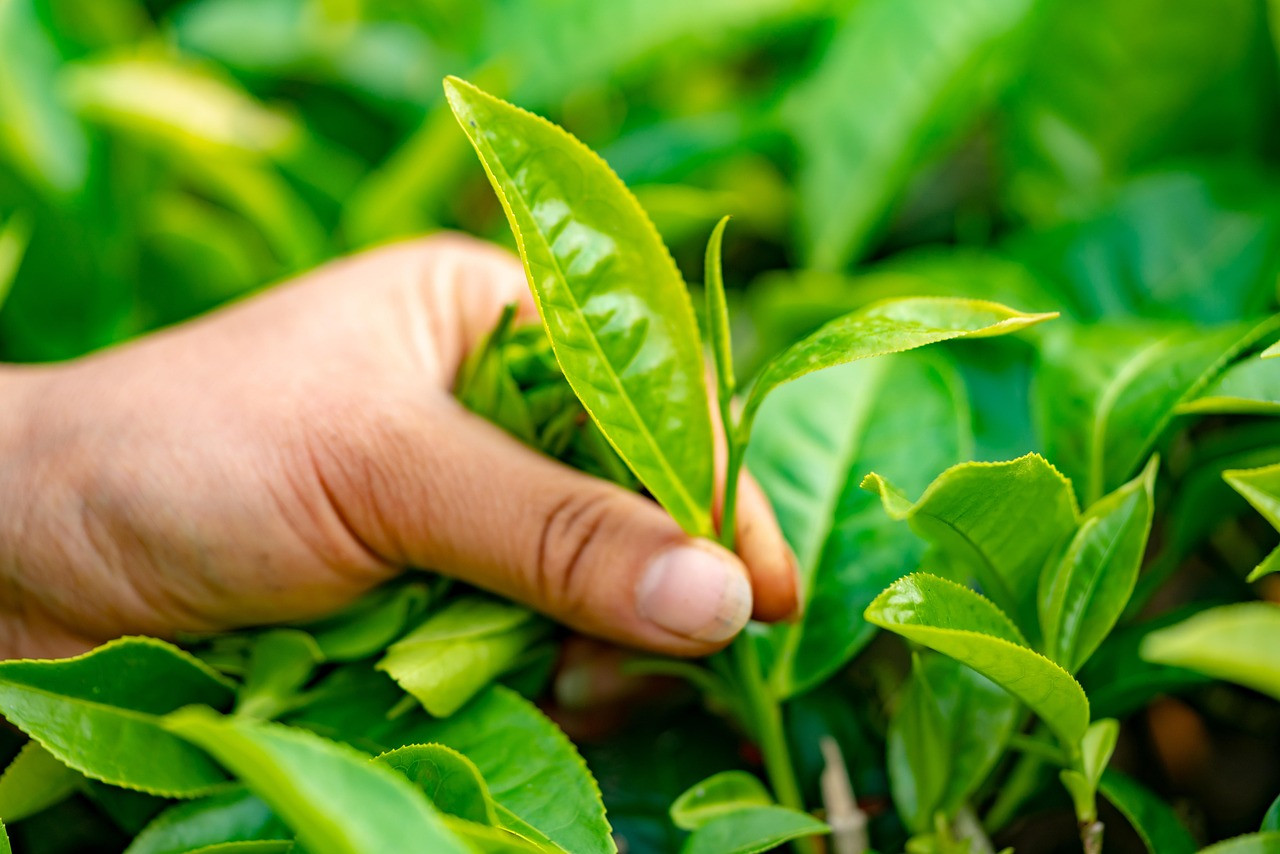
Representative image: kyhddohani89 / Pixabay
FSSAI's draft, published in the Gazette on October 16, 2026, sets tea limits for two insecticides; comments are open for 60 days.
What Happened
The Food Safety and Standards Authority of India (FSSAI) has proposed maximum limits for residues of two insecticides in tea: 20 milligrams per kilogram for acetamiprid and 50 milligrams per kilogram for imidacloprid. The draft amendment to the food safety regulations on contaminants, toxins and residues was published in the Gazette of India on 16 October 2026 and reported on 17 October. The regulator has invited objections and suggestions for 60 days before the limits are finalised.
Key Facts
- Proposed limit for acetamiprid in tea: 20 mg/kg (20 parts per million).
- Proposed limit for imidacloprid in tea: 50 mg/kg (50 parts per million).
- Instrument: a draft Food Safety and Standards (Contaminants, Toxins and Residues) Amendment Regulations, 2026, published in the Gazette on 16 October 2026.
- Consultation: stakeholders and the public have 60 days from the date the Gazette notification is made available to send objections or suggestions.
- The government said the limits are based on scientific assessment and international practice, and that the proposed acetamiprid limit is lower than the limits cited for Japan and the United States.
- Officials stressed that the rules are a draft and should not be read as a sign that tea now sold in India is unsafe.
Why It Matters
Tea is the everyday drink of most Indian homes, from the morning cup of chai to the glass served at a roadside stall. Yet a cup is only as safe as the leaves that go into it. Growers spray insecticides to protect tea bushes from pests. Some of that chemical can remain on the leaf after it is plucked and processed.
A maximum residue limit, or MRL, is the highest amount of a pesticide that the law allows to remain on a food. It is a compliance line for growers, traders and food inspectors, not a measure of harm in itself: a residue slightly above an MRL does not automatically make food dangerous, and a residue below it is treated as acceptable. Without a crop-specific limit, inspectors and laboratories have less clarity about what to test against, and growers have less clarity about how to use a chemical safely and still pass inspection.
Acetamiprid and imidacloprid both belong to the neonicotinoid family, a widely used class of insecticides that act on the nervous systems of insects. By setting tea-specific limits for them, the regulator is defining in law how much of each may stay on made tea. The government has described the move as a way to make testing, compliance and enforcement clearer while still allowing growers to protect their crops.
The draft also matters for trust. Tea is sold across India in loose and packaged form, and buyers rarely know how it was grown. A clear, published limit gives laboratories and state food safety officers a fixed standard to apply, and gives consumers a reference point when test results are reported.
| Pesticide | Proposed limit in tea |
|---|---|
| Acetamiprid | 20 mg/kg |
| Imidacloprid | 50 mg/kg |
Impact
Short-term: Nothing changes on the shop shelf yet. The limits are open for comment for 60 days, and tea growers, processors, exporters and consumer groups can send objections or suggestions to FSSAI during that period.
Long-term: Once final, the limits will be enforceable. Food safety officers and laboratories will test tea samples against them, and growers will need to time and dose their sprays so that residues stay below the limits at harvest. Clear national limits can also help when Indian tea is compared with standards in other markets.
Who is affected: Tea drinkers across India; tea estates and small tea growers who use these insecticides; processors, blenders and packers; food testing laboratories; and state food safety departments that will enforce the limits.
Key Takeaway
FSSAI has proposed legal limits of 20 mg/kg for acetamiprid and 50 mg/kg for imidacloprid in tea, a draft that is open for public comment and does not mean tea on sale today is unsafe.
Questions and Answers
What pesticide limits has FSSAI proposed for tea?
In a draft published in the Gazette of India on 16 October 2026, FSSAI proposed a maximum residue limit of 20 mg/kg for acetamiprid and 50 mg/kg for imidacloprid in tea.
Does this mean the tea I drink is unsafe?
No. Officials have said the rules are a draft and should not be read as evidence that tea sold in India is unsafe. A maximum residue limit is a legal compliance threshold for growers and inspectors.
When will the new tea pesticide limits apply?
Only after the draft is finalised. FSSAI has allowed 60 days for objections and suggestions from the date the Gazette notification is made available, and will then decide on the final rules.
What is a maximum residue limit (MRL)?
It is the highest level of a pesticide's residue that is legally allowed to remain on a food. Regulators set it for each crop and chemical, and food samples are tested against it.
Disclaimer: Prepared by the Peepals newsroom from publicly available sources with AI assistance. Information is accurate to the best of our knowledge at the time of publication and may change. Images may be representative. Not professional advice. Report an error via our contact page.
By Ishita Sen, Culture & Heritage EditorCovers Culture & Heritage and more for Peepals Sanskriti. All stories by Ishita Sen
Tirumala: TTD stops darshan recommendation letters during Andhra civic poll code
Priyagold biscuits: FSSAI prosecutes maker over cattle-feed bran; Nepal bans sales
Ishita Sen is a pen name of the Peepals Global Editorial Team, which researches, fact-checks and publishes every story. The portrait is an illustration.