
Priyagold biscuits: FSSAI prosecutes maker over cattle-feed bran; Nepal bans sales
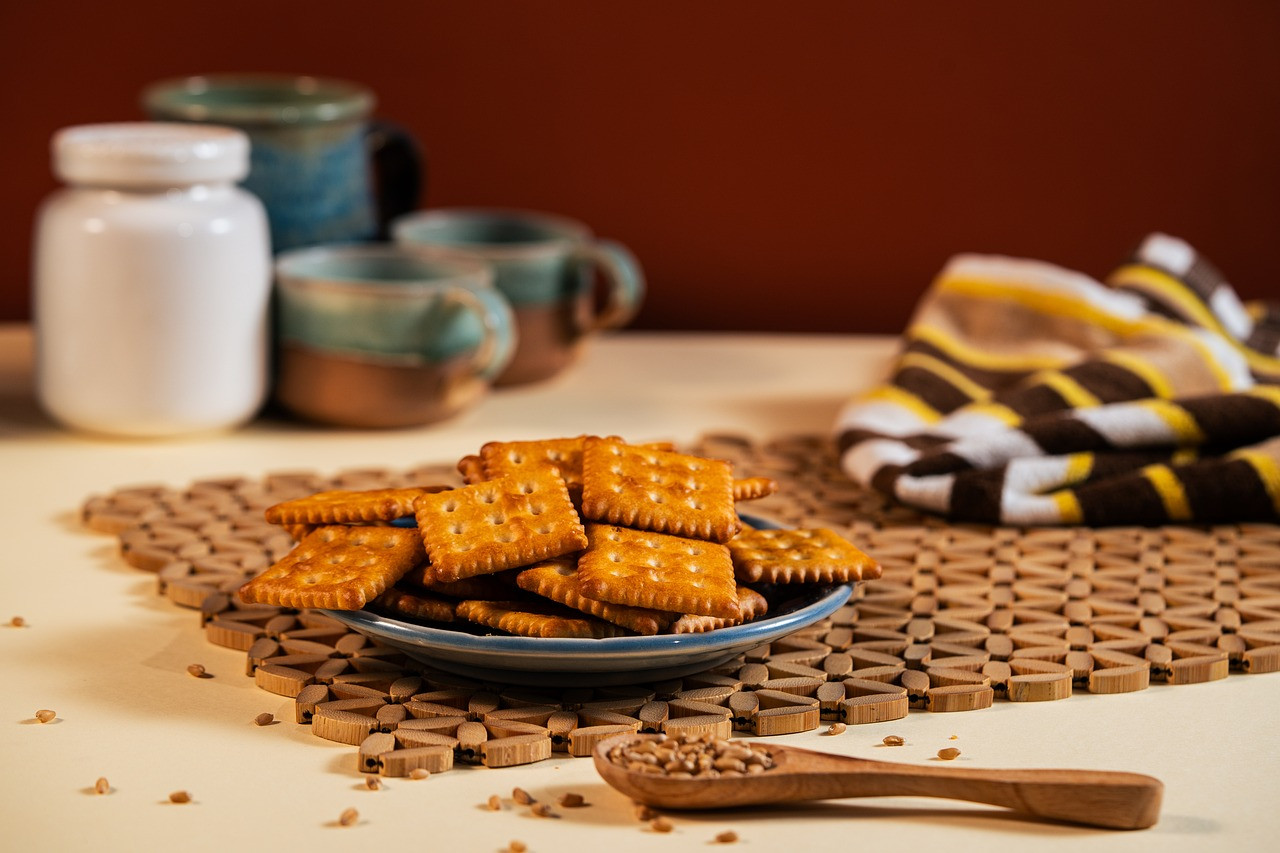
Representative image: u_czhrz1rjhw / Pixabay
FSSAI began prosecution against Priyagold maker Surya Food & Agro on Oct 17, 2026 over cattle-feed bran; Nepal barred sales on Oct 19.
What Happened
The Food Safety and Standards Authority of India (FSSAI) said on 17 October 2026 that it had begun prosecution against Surya Food & Agro, the maker of Priyagold biscuits, after its inspectors found bran marked for cattle feed being used as a fibre ingredient at the company's plant. The regulator also started prosecution against Dodla Dairy over a milk sample and UEIR Organic Foods over pesticide residues in raisins. Two days later, on Monday, 19 October, Nepal's Food Technology and Quality Control Department ordered a halt to the import, sale and distribution of Priyagold biscuits, citing the FSSAI findings.
Key Facts
- FSSAI said the inspection of Surya Food & Agro followed a complaint from a consumer.
- According to the regulator, bran meant for cattle feed and not for human consumption was being used as a raw material in Priyagold biscuits as a source of fibre; the sacks holding it were marked as cattle feed.
- Inspectors also reported lapses in plant hygiene, pest control, storage and segregation of raw materials, staff hygiene and upkeep of the premises. The company's licence had already been suspended.
- A full cream milk sample from Dodla Dairy was first declared substandard for low milk fat. On the company's appeal, a Referral Food Laboratory found it unsafe, reporting the presence of detergent or caustic soda.
- Yellow raisins sold by UEIR Organic Foods were found to carry pesticide residues, the regulator said.
- Three other businesses, Narpadham Foods, Sun Ridges Health Carers and Sha Kantilal Jayantilal, were issued notices rather than prosecuted.
- Nepal's food regulator asked importers and traders to stop selling the biscuits and recall existing stock.
Why It Matters
Biscuits, milk and dry fruit sit at the centre of the Indian festive table. With the Diwali gifting season under way, packaged snacks, sweets and dairy are in heavy demand. A case in which the national regulator says an ingredient meant for animals entered a branded biscuit line touches the basic trust shoppers place in a familiar packet.
Bran itself is a common food ingredient. Wheat bran, the outer layer of the grain, is widely added to biscuits and breads for fibre. The issue FSSAI has raised is not bran as such but the grade and purpose of the material. Feed-grade bran is produced, stored and handled for livestock, under rules that are not designed for human food. The regulator has not said that the biscuits made anyone ill, and the company's side has not been reported. The findings are allegations that will now be tested through the legal process under the Food Safety and Standards Act, 2006.
The milk case is a reminder of why the appeal system exists. Dodla Dairy contested the first result, which found only low fat. The second test, at a referral laboratory, went further and reported detergent or caustic soda, substances that have no place in milk. Raisins, the subject of the third case, are usually eaten as they are, without washing or cooking, which is why residue limits matter.
Nepal's quick response shows how an Indian regulator's action can cross borders. Nepal's regulator cited the FSSAI notice directly when it ordered traders to stop selling the biscuits, and reports say the restriction also covers other biscuits made by the same company.
| Company | Product | FSSAI finding | Action |
|---|---|---|---|
| Surya Food & Agro | Priyagold biscuits | Cattle-feed bran used for fibre; hygiene lapses | Licence suspended; prosecution |
| Dodla Dairy | Full cream milk | Detergent or caustic soda; low fat | Prosecution |
| UEIR Organic Foods | Yellow raisins | Pesticide residues | Prosecution |
| Three other firms | Various | Hygiene, licensing, operations | Notices |
Impact
Short-term: Priyagold biscuits made by Surya Food & Agro are off the shelves in Nepal, and the suspended licence means the inspected plant cannot legally operate until the regulator is satisfied. Shoppers in India may see retailers pull stock while the case proceeds.
Long-term: The cases add to a run of FSSAI enforcement this festive season, from notices on misleading labels to checks on sweets, paneer and ghee. The three companies now face proceedings under the Food Safety and Standards Act, 2006, and any penalty will be for a court to decide. Repeated public naming of brands may push manufacturers to tighten how they buy and store raw materials.
Who is affected: Families who buy branded biscuits, milk and dry fruit, especially in the festive season; traders and importers in Nepal; workers and distributors linked to the companies named; and food businesses that source bran, milk or dried fruit through long supply chains.
Key Takeaway
FSSAI says an ingredient meant for cattle went into Priyagold biscuits and has taken the maker to court, along with a dairy and a raisin seller, and Nepal has followed by stopping sales.
Questions and Answers
Why did FSSAI act against the Priyagold biscuit maker?
FSSAI said its inspectors, acting on a consumer complaint, found bran marked as cattle feed being used as a fibre source in Priyagold biscuits at Surya Food & Agro's plant, along with hygiene and storage lapses. It suspended the licence and began prosecution on 17 October 2026.
Are Priyagold biscuits banned in India?
FSSAI has suspended the manufacturer's licence for the inspected unit and started prosecution, but the reports do not describe a nationwide product ban in India. Nepal, however, ordered a halt to imports and sales on 19 October 2026 and asked traders to recall stock.
What was found in the Dodla Dairy milk sample?
A full cream milk sample was first found to have low milk fat. After the company appealed, a Referral Food Laboratory declared it unsafe because it reported detergent or caustic soda in the sample, and FSSAI began prosecution.
How can shoppers check packaged food during Diwali?
Look for the FSSAI licence number, the manufacturing and expiry dates and the ingredient list on the pack, and report a suspect product to FSSAI through its consumer complaint channels, as the complaint in the Priyagold case did.
Disclaimer: Prepared by the Peepals newsroom from publicly available sources with AI assistance. Information is accurate to the best of our knowledge at the time of publication and may change. Images may be representative. Not professional advice. Report an error via our contact page.
Sourced and fact-checked by the Peepals Global Editorial Team
FSSAI drafts tea pesticide limits: acetamiprid 20 mg/kg, imidacloprid 50 mg/kg
CCRAS opens 20 Ayush PhD fellowships for NET-qualified science graduates
Reported, fact-checked and published by the Peepals Global Editorial Team.