
High-dose ashwagandha study reports no serious side effects in 12 weeks
 By Ananya RaoAyush & Wellness Correspondent, Peepals Sanskriti
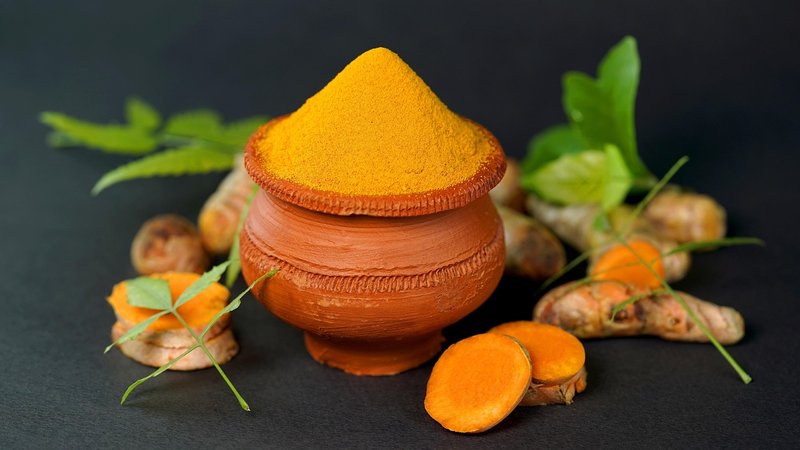
Representative image: jarmoluk / Pixabay
A 12-week study of 2,000 mg a day of an ashwagandha root extract, reported this week, found no serious side effects, but it had no placebo group and is maker-backed.
What Happened
A clinical study of a high daily dose of ashwagandha root extract has reported no serious side effects over 12 weeks in healthy adults, according to a paper in the journal Frontiers in Nutrition that was promoted this week by the extract's maker and covered in the supplements trade press in October 2026. Participants took 2,000 mg a day of the extract, sold under the brand name KSM-66, and their liver, kidney and thyroid function was checked every four weeks. The paper says some blood values changed by small but statistically significant amounts, but all stayed within normal ranges. The study had no placebo group.
Key Facts
- Dose: 2,000 mg of ashwagandha root extract a day, taken as four 500 mg capsules, for 12 weeks.
- Participants: healthy adults aged 18 to 65; 145 people started and 124 completed the 12 weeks.
- Design: a prospective, single-arm study, meaning everyone took the extract and there was no comparison group on a placebo.
- Checks: blood tests for liver, kidney and thyroid function at the start and at weeks 4, 8 and 12.
- Findings: the paper reports small changes in bilirubin, alkaline phosphatase, creatinine, liver enzymes, blood urea and thyroid values, all within reference ranges and described by the authors as clinically insignificant.
- Side effects: no serious adverse events; a few mild, short-lived ones that went away without treatment.
- The extract's maker, Ixoreal, publicised the results, and trade outlets reported them from its release.
Why It Matters
Ashwagandha is a herb used in Ayurveda and is now widely sold around the world as a supplement, often marketed for stress, sleep and energy. As its use has grown, questions have been raised about its safety, especially for the liver, which is why this study tracked liver function so closely. Measured evidence on safety at higher doses is therefore useful to doctors, regulators and the Ayush sector.
The study adds data, but it has clear limits that readers should know. It had no placebo group, so it cannot show whether changes in blood values were caused by the extract or would have happened anyway. Twelve weeks is short, and 124 completers is a small number for spotting rare reactions such as liver injury, which may affect only a tiny share of users. The participants were healthy adults, not people with liver disease or those taking other medicines. And the results have been publicised by the company that sells the extract, which has a commercial interest in them.
There is also a gap between the paper's own words and some of the coverage. The paper notes statistically significant changes in several blood markers, while some trade reports say there were no clinically significant changes. Both statements can be true, but the first is the more complete description.
For the Ayush sector, the study is an example of the kind of evidence that regulators increasingly ask for: measured safety data from human studies, published in journals. It does not prove that ashwagandha treats any condition, and it is not a reason for anyone to take high doses.
Impact
Short-term: The results are likely to be cited by supplement makers in markets where ashwagandha faces scrutiny. Regulators are unlikely to change rules on the basis of one uncontrolled study.
Long-term: Larger, placebo-controlled and longer studies, including in people with health conditions, will be needed to settle questions about liver safety. Clear labelling of doses and extract types would help doctors judge risks.
Who is affected: People who take ashwagandha supplements; Ayurveda practitioners and doctors who advise them; supplement makers and exporters in India; and regulators in India and abroad.
Key Takeaway
A 12-week, maker-promoted study of 2,000 mg a day of ashwagandha extract found no serious side effects in healthy adults, but without a placebo group it cannot settle wider safety questions.
Questions and Answers
Is high-dose ashwagandha safe, according to the new study?
The 12-week study of 2,000 mg a day in healthy adults reported no serious side effects, and liver, kidney and thyroid values stayed within normal ranges. But it had no placebo group and was small, so it cannot rule out rare problems.
How many people took part in the ashwagandha study?
145 healthy adults aged 18 to 65 started the study and 124 completed all 12 weeks.
Who promoted the ashwagandha study?
The results were publicised by Ixoreal, the company that makes the KSM-66 ashwagandha extract used in the study, and reported by supplement trade outlets.
Should I take ashwagandha at a high dose because of this study?
No. The study does not show that high doses treat any condition, and it was done only in healthy adults. Anyone considering ashwagandha, especially with liver problems or other medicines, should talk to a qualified doctor first.
Disclaimer: Prepared by the Peepals newsroom from publicly available sources with AI assistance. Information is accurate to the best of our knowledge at the time of publication and may change. Images may be representative. Not professional advice. Report an error via our contact page.
By Ananya Rao, Ayush & Wellness CorrespondentCovers Ayush and more for Peepals Sanskriti. All stories by Ananya Rao
Nigeria's NAFDAC raids Lagos herbal bitters factory using cough syrup's number
UP's Rs 83 crore plan upgrades 20 Devi shrines as Navratri crowds rise
Ananya Rao is a pen name of the Peepals Global Editorial Team, which researches, fact-checks and publishes every story. The portrait is an illustration.