
Nigeria's NAFDAC raids Lagos herbal bitters factory using cough syrup's number
 By Ananya RaoAyush & Wellness Correspondent, Peepals Sanskriti
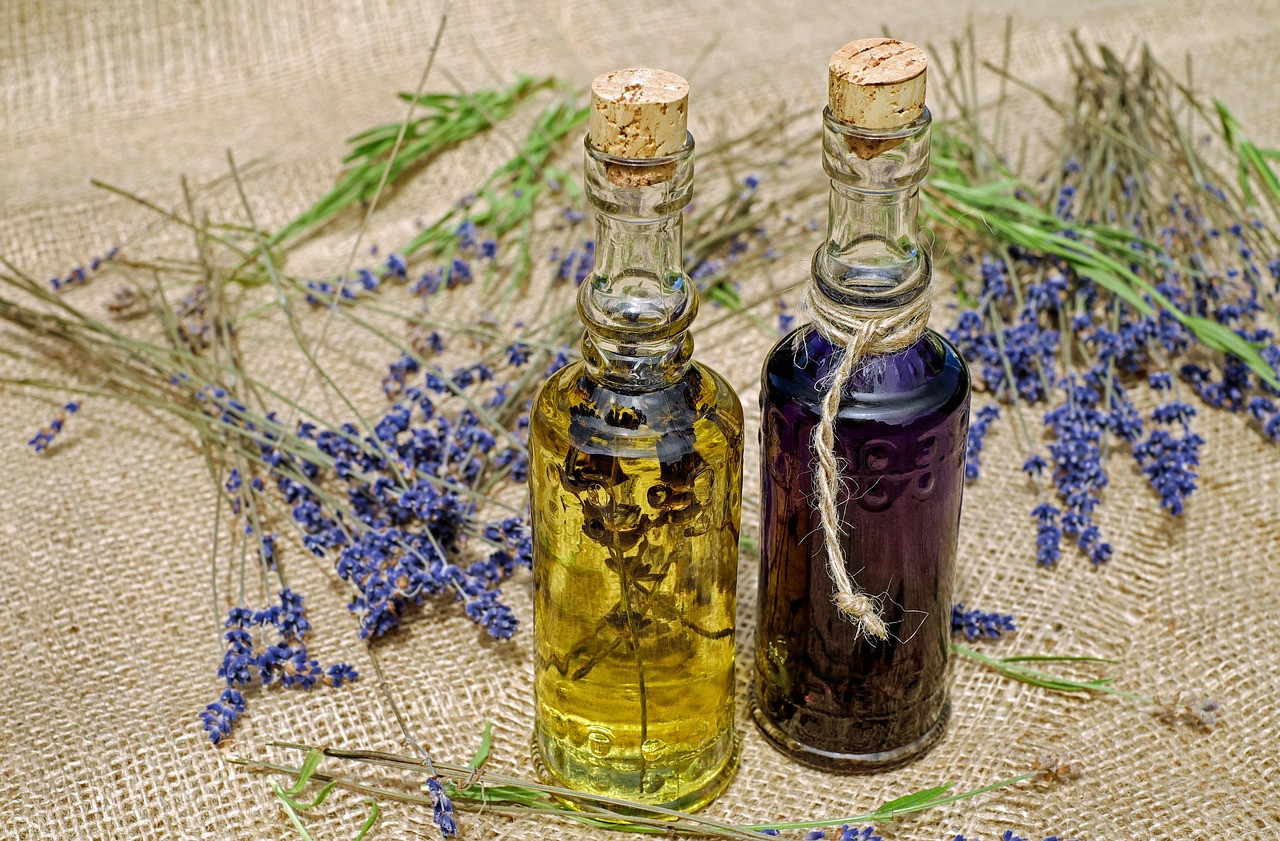
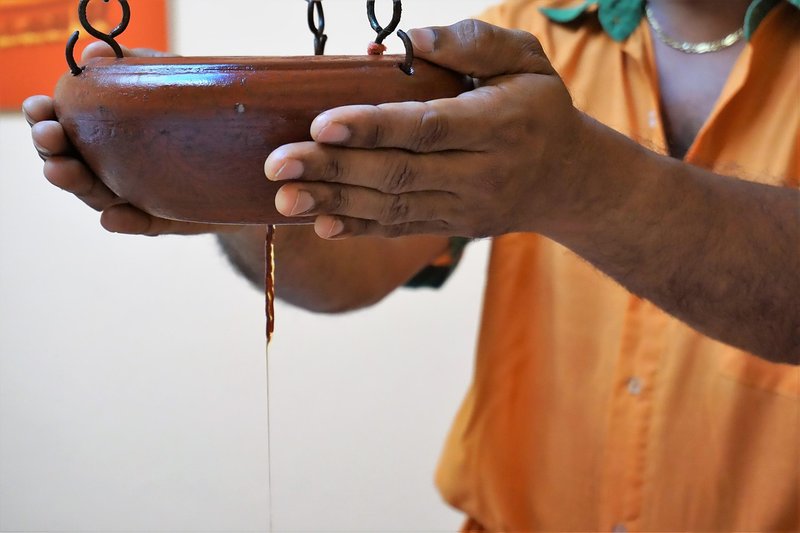
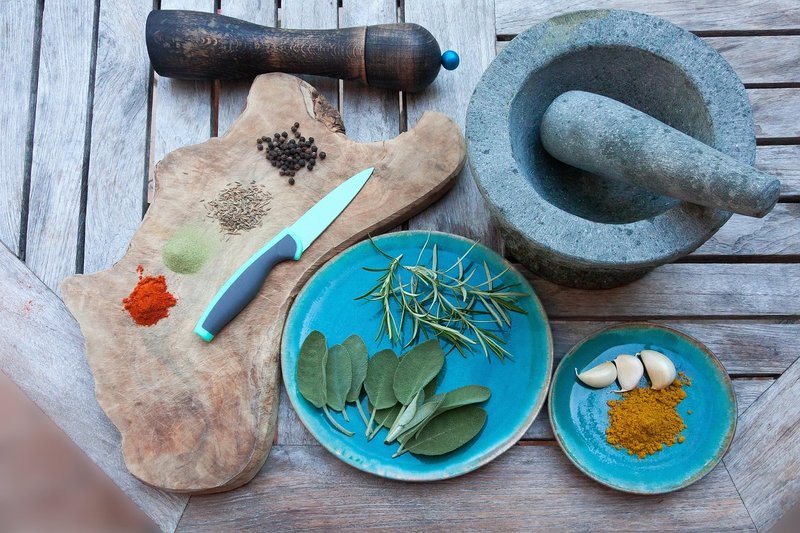
Representative image: Couleur / Pixabay
NAFDAC said on 22 October 2026 it found an illegal herbal factory in Agege, Lagos, selling bitters under a cough syrup's registration number; a manager was arrested.
What Happened
Nigeria's drug and food regulator, the National Agency for Food and Drug Administration and Control (NAFDAC), has uncovered an illegal factory making herbal products in Agege, a district of Lagos, and arrested the company's manager. In a statement reported on 22 October 2026, the agency said its officers found three variants of a product called Asheitu Adams Bitters carrying registration number A7-1827L. When the number was checked on NAFDAC's product registration database, NAPAMS, it turned out to belong to a different, legally registered product: Greentol Cough Syrup. The agency said the operation followed a newspaper investigation published on 10 October 2026 about herbal bitters sold with registration numbers taken from other products. The company's managing director and chief executive was not present during the raid, NAFDAC said, while the manager was arrested for further questioning.
Key Facts
- Regulator: NAFDAC, Nigeria's agency for licensing and policing food, drugs and herbal medicines.
- Place: an unapproved production site in Agege, Lagos State, which reports say was hidden inside a residential building.
- Products: three variants of Asheitu Adams Bitters, all bearing registration number A7-1827L.
- The mismatch: NAFDAC's NAPAMS database shows that A7-1827L was assigned to Greentol Cough Syrup, not to any bitters.
- Trigger: a Nigerian newspaper investigation of 10 October 2026 that found two herbal bitters, sold on Lagos buses and at motor parks, carrying numbers belonging to a cough syrup and a balm.
- Action so far: the company manager was arrested for interrogation; the managing director was absent.
- Status of the products: according to the agency's enforcement team, the herbal products recovered from the site were not registered with NAFDAC.
- Not yet known: whether anyone was harmed by the products, or what charges will follow.
Why It Matters
Herbal bitters are a popular category of traditional remedy in West Africa, sold cheaply and often in public places such as buses and parks. Because they are taken by mouth and in quantity, the question of who made them, where and under what conditions is a matter of public health, not only of trade rules. A product made in an unapproved building has not been inspected for hygiene, ingredients or contamination, and buyers have no way of knowing what is in the bottle.
The case also shows a specific trick that regulators around the world now watch for: borrowing a genuine registration number. A number printed on a label looks like official approval, and most buyers never check it. Here, the number was real, but it belonged to a cough syrup made by someone else. Reports on the case stress the lesson for consumers: a registration number is not proof that a product is genuine unless it matches the product name and the maker shown on the label.
For Peepals Sanskriti's readers, the story matters because traditional medicine is growing fast as a global business, and trust in it depends on the same basic checks everywhere. The World Health Organization and many national regulators have argued that traditional remedies earn their place through evidence, quality control and honest labelling. A fake approval number damages that trust for every honest maker of herbal products, in Nigeria or elsewhere. The same habit of checking a licence number against an official record applies to Ayurvedic, Unani, Siddha or homoeopathic products bought anywhere, especially online or from street sellers.
| Step | What happened |
|---|---|
| 10 October 2026 | A newspaper investigation reports herbal bitters with registration numbers belonging to other products |
| Following weeks | NAFDAC officers carry out surveillance and gather intelligence |
| Operation in Agege | Three variants of Asheitu Adams Bitters found with number A7-1827L |
| 22 October 2026 | NAFDAC's statement on the raid and the manager's arrest is reported |
Impact
Short-term: The Agege site is out of action and the manager is being questioned. Buyers in Lagos who have bottles of the named bitters now know that the product carries a number that does not belong to it. NAFDAC asked the public to report suspected illegal manufacturing to its call centres and by email.
Long-term: The case adds to a run of enforcement actions against herbal products in West Africa this month, and it may push regulators to make registration databases easier for ordinary buyers to search. If the product owners are charged, the outcome will show how seriously the courts treat the misuse of another company's approval.
Who is affected: Consumers of herbal bitters in Lagos and elsewhere in Nigeria; the maker of Greentol Cough Syrup, whose registration number was used without right; legitimate herbal medicine producers, who compete with unregistered goods; and regulators who rely on registration numbers to trace products.
Key Takeaway
A genuine-looking approval number on a herbal product means nothing until it is checked against the regulator's own record for that exact product and maker.
Questions and Answers
What did NAFDAC find in Agege, Lagos?
NAFDAC said it found an illegal herbal products factory in Agege, Lagos, making three variants of Asheitu Adams Bitters. The bottles carried registration number A7-1827L, which the agency's database shows belongs to Greentol Cough Syrup, a different product. The company manager was arrested and the managing director was absent.
Why is using another product's registration number a problem?
A registration number tells buyers and inspectors that a specific product from a specific maker has been reviewed by the regulator. When a different product carries that number, it gives a false impression of approval, and the real contents and production conditions have never been checked.
How did the regulator learn about the factory?
NAFDAC said its operation followed a newspaper investigation published on 10 October 2026, which found herbal bitters on sale in Lagos carrying registration numbers that belonged to other products. Officers then carried out surveillance before locating the site.
How can a buyer check a herbal product?
Match the registration or licence number on the label against the regulator's official record, and make sure the product name and the maker listed there are the same as on the bottle. If they do not match, or no number is given, do not use the product and report it to the regulator.
Disclaimer: Prepared by the Peepals newsroom from publicly available sources with AI assistance. Information is accurate to the best of our knowledge at the time of publication and may change. Images may be representative. Not professional advice. Report an error via our contact page.
By Ananya Rao, Ayush & Wellness CorrespondentCovers Ayush and more for Peepals Sanskriti. All stories by Ananya Rao
Ananya Rao is a pen name of the Peepals Global Editorial Team, which researches, fact-checks and publishes every story. The portrait is an illustration.