
Diwali 2026 sweets cost 10-25% more as milk, sugar, dry fruit prices climb
 By Ananya RaoAyush & Wellness Correspondent, Peepals Sanskriti
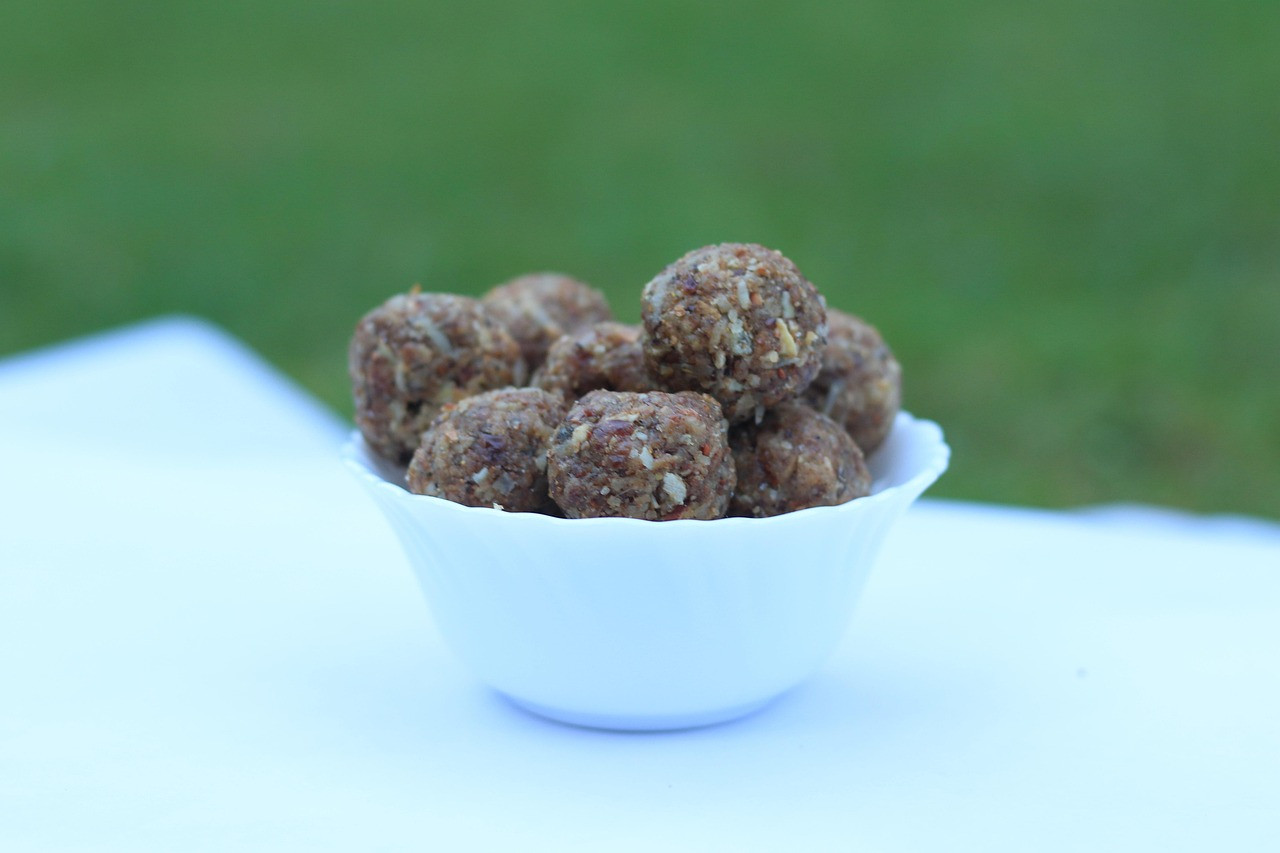
Representative image: 67media / Pixabay
Diwali sweets cost 10-15% more in Indore and 20-25% more in Hyderabad this year, with kaju katli at up to Rs 1,200 a kg, traders said in late October 2026.
What Happened
Sweets for Diwali 2026 are costing families noticeably more than last year, traders in two large cities say. In Indore, Madhya Pradesh, sweet and namkeen shops have raised prices by about 10% to 15% compared with last year's festive season, with kaju katli now selling at Rs 1,100 to Rs 1,200 a kilogram against about Rs 900 a year ago, according to a local report in the last week of October 2026. In Hyderabad, a report published on October 25 put the increase at 20% to 25%, with sweets made from dry fruits rising the most. Traders in both cities blame higher costs of sugar, milk products, dry fruits and production. Diwali falls on Sunday, November 8, 2026.
Key Facts
- Indore: sweet and namkeen prices up about 10% to 15% on last year, traders say.
- Kaju katli in Indore: Rs 1,100 to Rs 1,200 a kg, up from about Rs 900 a kg.
- Khoya-based sweets in Indore: about Rs 600 to Rs 650 a kg, up from about Rs 500 a kg.
- Hyderabad: sweet prices up 20% to 25%, according to a report of October 25, 2026, with dry-fruit sweets rising faster as cashew, almond and pistachio prices climb.
- Reasons given by traders: higher costs of sugar, milk and khoya, dry fruits and production, squeezing their margins.
- Premium segment: luxury gift boxes are also growing; one brand prices a box of 30 pista katlis finished with 24-carat gold foil at Rs 21,000, a report on October 28 said.
- Festival date: Diwali is on November 8, 2026.
Why It Matters
Mithai is at the heart of how Diwali is celebrated. Families buy sweets to offer during Lakshmi Puja, to share with neighbours and relatives, and to give as gifts to friends and colleagues. For many households, the sweet shop bill is one of the biggest single food expenses of the festival, so a 10% to 25% rise is felt directly in the festive budget.
The price rise also shows how closely traditional sweets depend on a few basic ingredients. Many traditional sweets are made from milk solids such as khoya, sugar and ghee, while the costliest varieties, such as kaju katli and badam barfi, depend on cashews and almonds. When any of these becomes more expensive, sweet makers either raise prices, cut their margins, or reduce quality. Traders in Indore say their margins are already under pressure.
That last option is the one food safety officials worry about every festive season. In the weeks before Diwali, demand for khoya, paneer and ghee peaks, and food safety departments in several states have already seized large quantities of adulterated or substandard dairy products this October. Rising prices can increase the temptation to cut corners. For buyers, the safest choice is usually a shop with a valid FSSAI licence or registration displayed, sweets prepared fresh, and clear labels on packed boxes showing the date of manufacture and best-before date.
The festive market is also stretching at the top end. Alongside the everyday box, premium gift hampers are being marketed for gifting, with one brand pricing a box of 30 pista katlis finished in 24-carat gold foil at Rs 21,000. Such boxes are still a small niche, but they show how wide the range of what Indians spend on festival sweets has become.
| City | Change reported | Example |
|---|---|---|
| Indore | Up 10% to 15% | Kaju katli Rs 1,100 to Rs 1,200 a kg (was about Rs 900) |
| Indore | Khoya sweets | About Rs 600 to Rs 650 a kg (was about Rs 500) |
| Hyderabad | Up 20% to 25% | Dry-fruit sweets rising fastest |
Impact
Short-term: Families will pay more for Diwali sweets this year, and some may buy smaller quantities, choose cheaper milk-based sweets over dry-fruit varieties, or make sweets at home.
Long-term: If input costs stay high, sweet makers may keep prices raised after the festive season, and the gap between premium gift boxes and everyday mithai could widen.
Who is affected: Households buying sweets for Diwali, sweet shop owners and their workers, dairy and dry fruit suppliers, and companies that buy sweets for festive gifting.
Key Takeaway
Diwali 2026 sweets are 10% to 25% dearer in Indore and Hyderabad, traders say, as milk, sugar and dry fruit costs push up the price of the festive mithai box.
Questions and Answers
How much have Diwali sweet prices gone up in 2026?
Traders in Indore say prices are up about 10% to 15% on last year, while a Hyderabad report put the rise at 20% to 25%, with dry-fruit sweets rising the most.
What is the price of kaju katli this Diwali?
In Indore, kaju katli is selling for Rs 1,100 to Rs 1,200 a kilogram, up from about Rs 900 a year earlier, according to local traders.
Why are sweets more expensive this year?
Sweet makers point to higher costs of sugar, milk and khoya, dry fruits such as cashews and almonds, and production.
When is Diwali 2026?
Diwali falls on Sunday, November 8, 2026.
Disclaimer: Prepared by the Peepals newsroom from publicly available sources with AI assistance. Information is accurate to the best of our knowledge at the time of publication and may change. Images may be representative. Not professional advice. Report an error via our contact page.
By Ananya Rao, Ayush & Wellness CorrespondentCovers Ayush and more for Peepals Sanskriti. All stories by Ananya Rao
Nashik sets conch-blowing world record with 517 people before Simhastha Kumbh
Yoga among cost-effective back pain treatments, PLOS Medicine review finds
Get the day's stories in your inbox
Peepals Weekly: the week decoded, free. One email a week, unsubscribe in one click.
Ananya Rao is a pen name of the Peepals Global Editorial Team, which researches, fact-checks and publishes every story. The portrait is an illustration.