
Maharashtra FDA seizes 43.56 tonnes of suspect food worth Rs 1.56 crore
 By Devansh TiwariKnowledge Systems Writer, Peepals Sanskriti
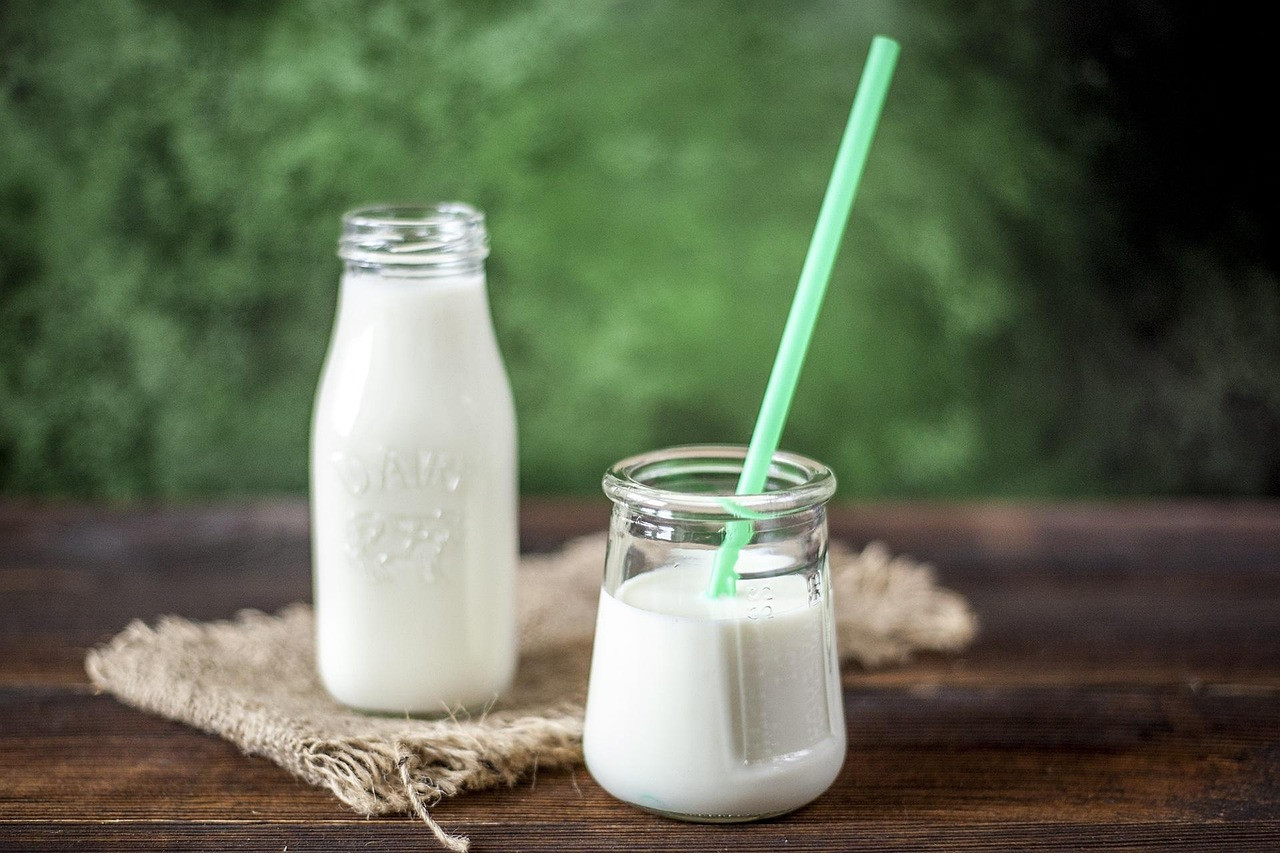
Representative image: Imoflow / Pixabay
Maharashtra's FDA seized 43.56 tonnes of suspect food and 719.2 litres of milk and ghee worth Rs 1.56 crore in a festive drive, it said on October 24, 2026.
What Happened
Maharashtra's Food and Drug Administration (FDA) has seized about 43.56 tonnes of food and 719.2 litres of milk and ghee, together valued at about Rs 1.56 crore, in a statewide food safety drive during the festive season, according to reports published on Saturday, 24 October 2026. The products were suspected to be substandard, adulterated or wrongly labelled. In Mumbai, officials also destroyed 564 litres of milk after inspections of dairies and milk shops on 23 and 24 October, and suspended the licences or registrations of seven food businesses.
Key Facts
- Total seized: about 43.56 tonnes of food stock plus 719.2 litres of milk and ghee, worth about Rs 1.56 crore, according to the FDA.
- Reason: the goods were suspected to be substandard, adulterated or incorrectly labelled; samples go for laboratory testing.
- Region-wise, as reported: Chhatrapati Sambhajinagar division accounted for the largest share, about 26.84 tonnes worth Rs 64 lakh, followed by Konkan with 9.99 tonnes worth Rs 53.55 lakh and Pune with 2.11 tonnes worth Rs 7.93 lakh; Nashik and Nagpur reported smaller seizures of ghee, food items and oil.
- Mumbai milk checks covered dairies and milk shops in Govandi, Mankhurd, Antop Hill, Chembur, Dharavi and Mahim on 23 and 24 October; 564 litres of milk were destroyed.
- At one milk centre in Antop Hill, 250 litres of toned milk were destroyed because, according to reports, it was stored and sold in plastic bags and cans against prescribed storage rules.
- Seven food establishments in Mumbai had their licences or registrations suspended over violations including unhygienic kitchens, improper storage and the use of unauthorised colours.
Why It Matters
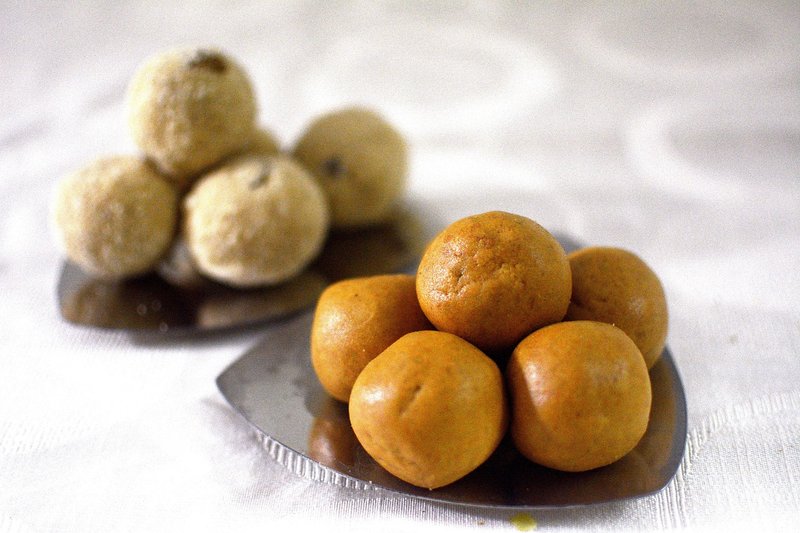
In Indian homes, the weeks before Diwali are when sweets, ghee, khoa and paneer are bought in the largest amounts, both for family meals and for gifting. Many traditional sweets, from pedha and barfi to kaju katli, depend on milk solids and ghee. That sharp rise in demand is also why food regulators treat the festive season as a high-risk period for adulteration, when cheaper or unsafe ingredients can be passed off in dairy products and sweets, and unauthorised colours can be used to make sweets look richer.
The Food Safety and Standards Authority of India (FSSAI), the national food regulator, had asked all states at the start of the festive season to step up inspections and sampling of dairy products, sweets, snacks, ghee and edible oils. Maharashtra's figures show what that looks like on the ground: most of the seized food came from the Chhatrapati Sambhajinagar and Konkan divisions, while Mumbai's action focused on how milk was stored and sold. Storing milk in loose plastic bags or open cans, rather than in sealed, chilled containers, raises the risk of spoilage and contamination.
It is important to note what the drive does and does not show. Seizure means the goods were suspected to be unsafe or mislabelled; final action depends on laboratory results, and the FDA has not published the exact test findings. Shoppers should not treat every sweet shop or dairy as suspect, but the numbers are a reminder to buy from licensed sellers and check labels.
| Maharashtra FDA drive | Reported figure |
|---|---|
| Food seized | About 43.56 tonnes |
| Milk and ghee seized | 719.2 litres |
| Total value | About Rs 1.56 crore |
| Milk destroyed in Mumbai | 564 litres |
| Mumbai licences suspended | 7 |
Impact
Short-term: Food businesses across Maharashtra can expect more surprise inspections until Diwali. Sellers whose samples fail laboratory tests may face prosecution, fines or cancelled licences under the Food Safety and Standards Act.
Long-term: Regular, visible festive drives can push dairies and sweet makers towards better storage and cleaner kitchens, and can help build trust in traditional, freshly made festive foods.
Who is affected: Families buying sweets, milk, ghee and paneer for Diwali; dairies, sweet shops and caterers across the state; and the FDA's inspectors and laboratories, which must test the samples quickly.
Key Takeaway
Maharashtra's festive food drive has taken 43.56 tonnes of suspect food and 719.2 litres of milk and ghee off the market, with final action now depending on laboratory results.
Questions and Answers
How much food did the Maharashtra FDA seize in its festive drive?
According to reports on 24 October 2026, the FDA seized about 43.56 tonnes of food and 719.2 litres of milk and ghee, together worth about Rs 1.56 crore, on suspicion that they were substandard, adulterated or mislabelled.
Why was milk destroyed in Mumbai?
Officials destroyed 564 litres of milk after inspecting dairies and milk shops in areas including Govandi, Chembur, Dharavi and Mahim on 23 and 24 October. In one case, toned milk was destroyed because it was being stored and sold in plastic bags and cans against prescribed rules.
Does a seizure mean the food was definitely adulterated?
No. A seizure means the food was suspected to be unsafe or wrongly labelled. Samples are sent for laboratory testing, and legal action depends on those results.
How can buyers reduce their risk during the festive season?
Buy from licensed shops, check for an FSSAI licence number and a date of manufacture or expiry on packaged sweets, and avoid milk sold from open containers. Any complaint can be raised with the state FDA or through the FSSAI's consumer channels.
Disclaimer: Prepared by the Peepals newsroom from publicly available sources with AI assistance. Information is accurate to the best of our knowledge at the time of publication and may change. Images may be representative. Not professional advice. Report an error via our contact page.
By Devansh Tiwari, Knowledge Systems WriterCovers Knowledge Systems and more for Peepals Sanskriti. All stories by Devansh Tiwari
Kullu Dasehra 2026: Raghunath's rath, village deities and a first drone Ramayana
Bhai Dooj on Wednesday, November 11 in India: tika times by city
Devansh Tiwari is a pen name of the Peepals Global Editorial Team, which researches, fact-checks and publishes every story. The portrait is an illustration.