
Healthy diet out of reach for 520 million Indians, KPMG report says
 By Devansh TiwariKnowledge Systems Writer, Peepals Sanskriti
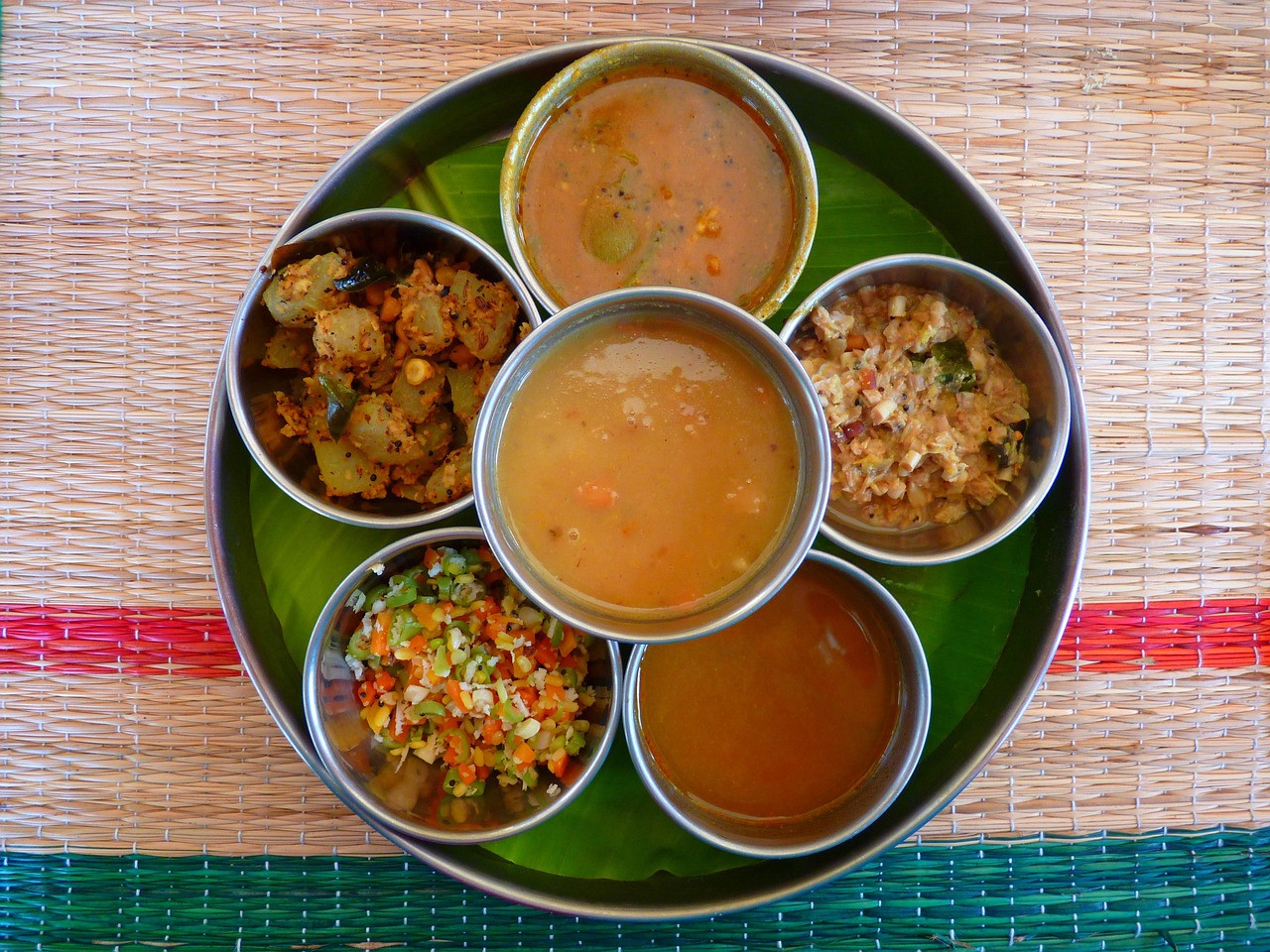
Representative image: LoggaWiggler / Pixabay
A KPMG report released October 27, 2026 says 520.1 million Indians, 35.5%, could not afford a healthy diet in 2025 despite food output 36% above needs.
What Happened
About 520.1 million people in India, or 35.5% of the population, could not afford a healthy diet in 2025, according to a report by consulting firm KPMG in India released on October 27, 2026. The report, titled "Future of Food Systems: Preparing for the Next Frontier", uses the Food and Agriculture Organization's (FAO) Cost of a Healthy Diet indicator and argues that India's food problem has moved from growing enough to making nutritious food affordable. It says India produces around 36% more food than normative requirements, yet actual food consumption remains about 20% below what is prescribed.
Key Facts
- Report: "Future of Food Systems: Preparing for the Next Frontier", by KPMG in India, released October 27, 2026.
- Affordability: about 520.1 million people, 35.5% of India's population, could not afford a healthy diet in 2025.
- Method: the FAO's Cost of a Healthy Diet indicator, which compares the price of a nutritious daily diet with what households can spend on food.
- Production versus consumption: food production is around 36% above normative requirements, while actual food consumption is about 20% below prescribed levels.
- Waste and storage: a cold-storage capacity deficit of 10 to 15 million metric tonnes; post-harvest losses of 6% to 15% for fruits and 4.8% to 11.6% for vegetables.
- Changing plates: consumption is shifting towards higher-value foods such as dairy products, fruits, vegetables and protein-rich foods.
- Six levers proposed: productivity, food-system efficiency, supply-chain excellence, transparency and traceability, technology, and sustainability-led growth.
Why It Matters
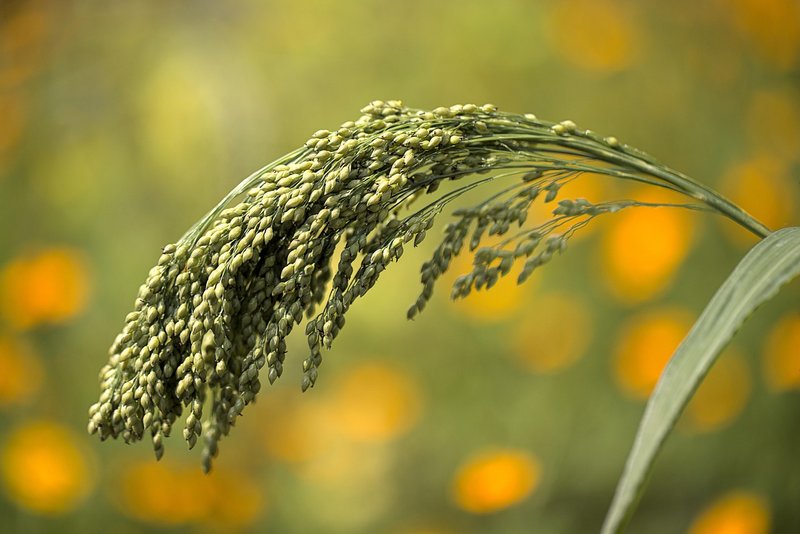
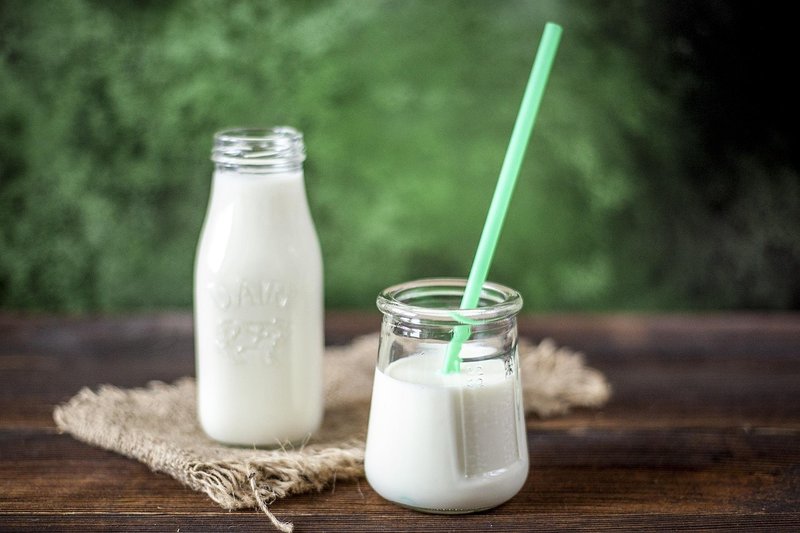
A healthy diet, in the FAO's definition, is not just enough calories. It means a varied plate: whole grains and millets, pulses, vegetables, fruits, milk or other protein, and some healthy fats, in amounts that meet nutritional needs. The traditional Indian thali, with dal, sabzi, curd and a grain, is close to that ideal, but the report's finding is that more than a third of Indians cannot regularly afford all of its parts. When money is short, the foods most at risk of being cut are pulses, vegetables, fruit and milk, which are the main sources of protein, vitamins and minerals.
That explains the paradox the report highlights. Cereal supplies are plentiful, and subsidised grain reaches many households through the public distribution system. But a diet heavy in cereals and light on everything else can leave people short of vitamins and protein. India's own dietary guidelines from the Indian Council of Medical Research's National Institute of Nutrition, released in 2024, estimate that unhealthy diets account for 56.4% of the country's total disease burden.
The report links affordability to waste. Fruits and vegetables are the foods most likely to spoil between farm and market, and the losses it cites, up to 15% for fruits and nearly 12% for vegetables, push up prices in the shops. A shortage of 10 to 15 million tonnes of cold storage means much of that produce cannot be kept fresh. Better storage, transport and traceability, the report argues, could lower prices for the very foods that make a diet healthy.
| Measure | Figure |
|---|---|
| People unable to afford a healthy diet, 2025 | About 520.1 million (35.5%) |
| Food production versus norms | About 36% above |
| Food consumption versus norms | About 20% below |
| Cold-storage deficit | 10 to 15 million tonnes |
| Post-harvest loss, fruits | 6% to 15% |
Impact
Short-term: The report adds weight to calls for nutrition-focused food policy, such as including pulses, millets and oils in public food schemes, and for faster investment in cold chains for perishable produce.
Long-term: If storage, logistics and productivity improve, the cost of fruit, vegetables, milk and pulses could fall, making a balanced, traditional-style diet affordable to more households. Without that, the gap between full granaries and poorly nourished people is likely to persist.
Who is affected: low-income households, especially those that spend most of their income on food; farmers growing perishables who lose produce to poor storage; food companies, cold-chain and logistics businesses; and policymakers running public food and nutrition schemes.
Key Takeaway
KPMG's October 27, 2026 report estimates that 520.1 million Indians could not afford a healthy diet in 2025 even though the country produces about 36% more food than it needs, pointing to price and waste, not supply, as the problem.
Questions and Answers
How many Indians cannot afford a healthy diet, according to KPMG?
KPMG's report released on October 27, 2026 estimates that about 520.1 million people, or 35.5% of India's population, could not afford a healthy diet in 2025.
Does India produce enough food?
Yes, according to the report. India's food production is about 36% above normative requirements, but actual consumption remains about 20% below prescribed levels because nutritious food is not affordable for many people.
What is the Cost of a Healthy Diet indicator?
It is a measure developed by the Food and Agriculture Organization that estimates the price of a nutritious, varied daily diet and compares it with what households can afford to spend on food.
What does the KPMG report suggest to fix the problem?
It points to six levers: higher productivity, a more efficient food system, better supply chains, transparency and traceability, technology, and sustainability-led growth, including closing a 10 to 15 million tonne cold-storage gap.
Disclaimer: Prepared by the Peepals newsroom from publicly available sources with AI assistance. Information is accurate to the best of our knowledge at the time of publication and may change. Images may be representative. Not professional advice. Report an error via our contact page.
By Devansh Tiwari, Knowledge Systems WriterCovers Knowledge Systems and more for Peepals Sanskriti. All stories by Devansh Tiwari
Get the day's stories in your inbox
Peepals Weekly: the week decoded, free. One email a week, unsubscribe in one click.
Devansh Tiwari is a pen name of the Peepals Global Editorial Team, which researches, fact-checks and publishes every story. The portrait is an illustration.