
India puts GI foods like Mithila makhana centre stage at SIAL Paris
 By Devansh TiwariKnowledge Systems Writer, Peepals Sanskriti
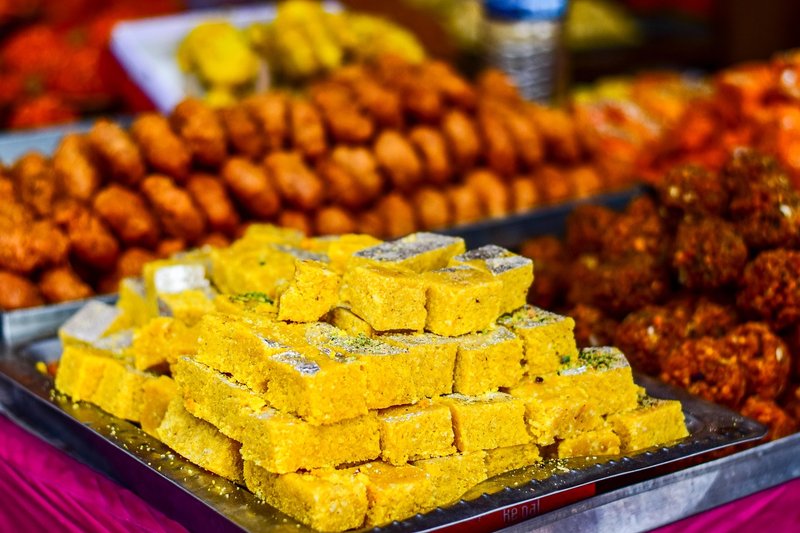
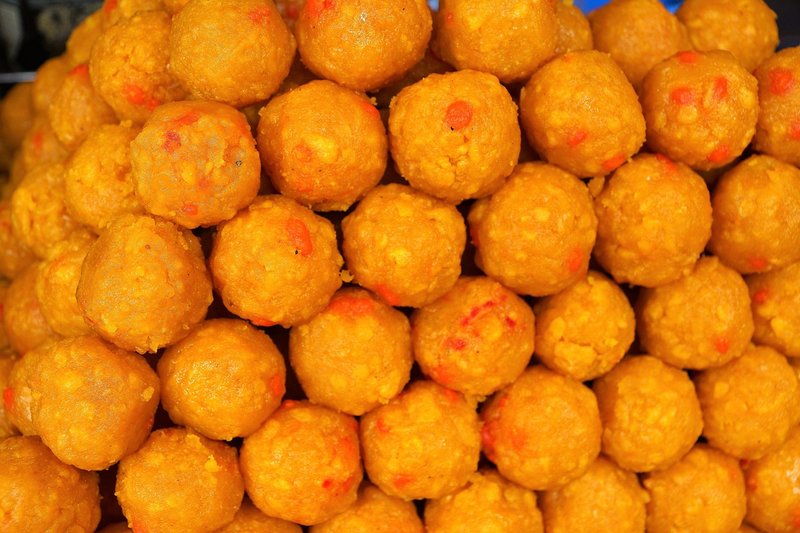
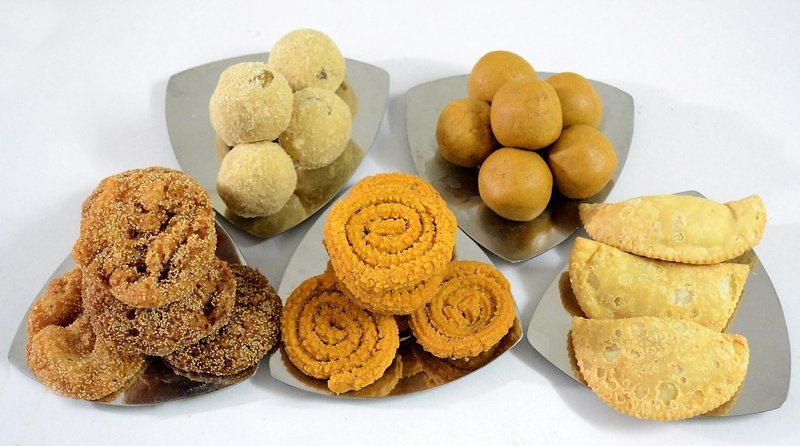
Representative image: babawawa / Pixabay
India, partner country at SIAL Paris on October 17-21, 2026, showcased GI-tagged foods such as Naga chilli and Mithila makhana, a report said on October 27.
What Happened
India took part as the partner country at SIAL Paris 2026, one of the world's largest food trade fairs, held from October 17 to 21 at Paris Nord Villepinte, and used its pavilion to showcase traditional and regional foods with Geographical Indication (GI) tags, such as Naga chilli and Mithila makhana, alongside packaged, ready-to-eat and premium products. A report on the outcome published on Tuesday, October 27, 2026 said India also highlighted climate-resilient farming and women-led agricultural enterprises. The pavilion was led by the India Trade Promotion Organisation (ITPO) together with the Agricultural and Processed Food Products Export Development Authority (APEDA).
Key Facts
- Event: SIAL Paris 2026, October 17-21, Paris Nord Villepinte.
- India's role: partner country; some outlets described it as country of honour.
- Organisers: ITPO and APEDA.
- Pavilion size: about 1,900 to 2,000 square metres with around 150 exhibitors, according to different reports.
- Showcased: GI-tagged foods including Naga chilli and Mithila makhana, plus packaged, ready-to-eat and premium foods.
- Also planned: an "India Bistro" with 14 masterclasses on ready-to-eat food, and India's largest start-up pavilion presence at the show.
- Themes: small farmers, climate-resilient farming and women-led enterprises.
- The show as a whole brought together nearly 8,000 exhibitors, according to one report.
Why It Matters
GI tags tell buyers that a food comes from a particular place and carries qualities linked to it. Naga chilli and Mithila makhana are two such products, each tied by its name to a region of India. Putting such products in front of international buyers at a major trade fair is a way to move them from local markets into supermarkets and restaurants abroad, where they can earn better prices.
Before the fair, ITPO's chairman set out three aims: to boost farm and food exports, to attract investment into food processing, and to change how international buyers see Indian agriculture. The immediate goal, he said, was to set up business-to-business meetings between Indian exporters and international buyers, distributors, importers and retail chains.
For Indian food culture, the show also shows how traditional ingredients are being repackaged for modern tastes. Ready-to-eat meals, packaged snacks and premium products featured alongside regional specialities, reflecting how Indian food companies are trying to reach global consumers who want convenience as well as authenticity. The India Bistro masterclasses were meant to let buyers taste and understand these products, not only see them on a stand.
The emphasis on women-led enterprises and climate-resilient farming adds another layer. The pavilion's focus on small farmers presented Indian food as coming from family farms and local enterprises rather than only large companies. Telling that story to global buyers can help Indian products stand out in a crowded market where sustainability and fair sourcing increasingly matter to retailers.
The fair also took place against the backdrop of trade talks between India and the European Union, which officials said could open more opportunities for Indian food exporters in Europe, although sources differ on the stage those talks have reached.
| Item | Detail |
|---|---|
| Event | SIAL Paris 2026, October 17-21 |
| India's role | Partner country |
| Organisers | ITPO and APEDA |
| Pavilion | About 1,900-2,000 sq m, around 150 exhibitors |
| GI foods highlighted | Naga chilli, Mithila makhana |
Impact
Short-term: Exporters who exhibited will follow up on contacts made with international buyers, distributors and retailers during the fair.
Long-term: Greater visibility for GI-tagged foods could help producers of regional specialities find steady export markets and better prices, and encourage more products to seek GI protection.
Who is affected: Producers of GI-tagged foods such as makhana and Naga chilli, Indian food processing companies and start-ups, women's farm enterprises, and food buyers in Europe and beyond.
Key Takeaway
As partner country at SIAL Paris 2026, India showcased GI-tagged foods like Naga chilli and Mithila makhana and stories of women-led, climate-resilient farming to global buyers.
Questions and Answers
What was India's role at SIAL Paris 2026?
India was the partner country at SIAL Paris, a major international food trade fair held from October 17 to 21, 2026, with a pavilion led by ITPO and APEDA.
Which Indian GI foods were showcased at SIAL Paris?
Reports named Naga chilli and Mithila makhana among the GI-tagged products displayed, along with packaged, ready-to-eat and premium foods.
What is a GI tag?
A Geographical Indication tag identifies a product as coming from a specific place, with qualities or a reputation linked to that origin.
What is Mithila makhana?
It is a GI-tagged product from the Mithila region, one of the regional foods India displayed at SIAL Paris 2026 to attract international buyers.
Disclaimer: Prepared by the Peepals newsroom from publicly available sources with AI assistance. Information is accurate to the best of our knowledge at the time of publication and may change. Images may be representative. Not professional advice. Report an error via our contact page.
By Devansh Tiwari, Knowledge Systems WriterCovers Knowledge Systems and more for Peepals Sanskriti. All stories by Devansh Tiwari
India, France's national library sign pact to digitise Indic manuscripts in Paris
Surat's Rs 125 crore ISKCON Varachha temple: CM lays foundation stone
Get the day's stories in your inbox
Peepals Weekly: the week decoded, free. One email a week, unsubscribe in one click.
Devansh Tiwari is a pen name of the Peepals Global Editorial Team, which researches, fact-checks and publishes every story. The portrait is an illustration.