
Himachal Nutrition Policy 2026 puts traditional foods, millets at centre
 By Ishita SenCulture & Heritage Editor, Peepals Sanskriti
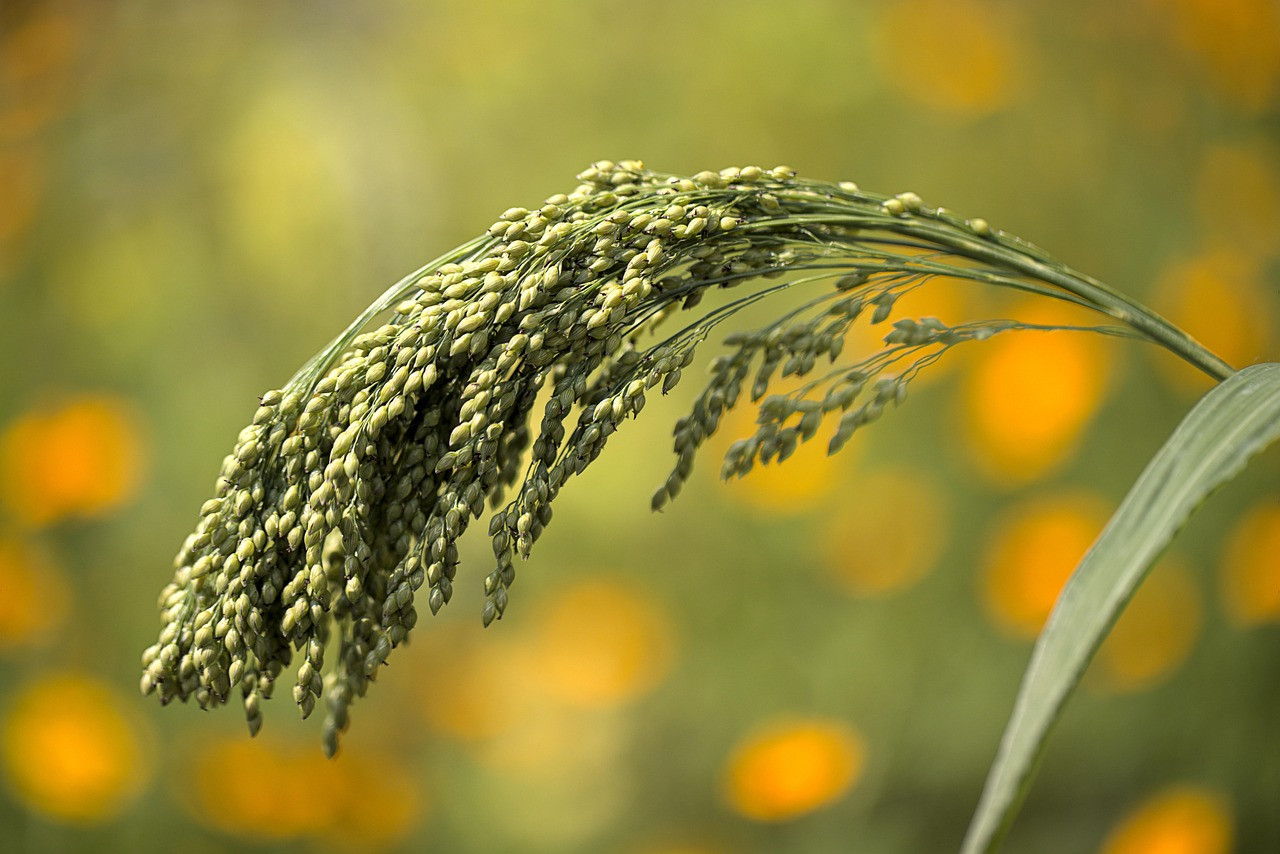
Representative image: DerWeg / Pixabay
Himachal Pradesh approved its Nutrition Policy 2026 on 22 October, promoting traditional Himachali foods and millets against malnutrition and anaemia, with more food-testing labs.
What Happened
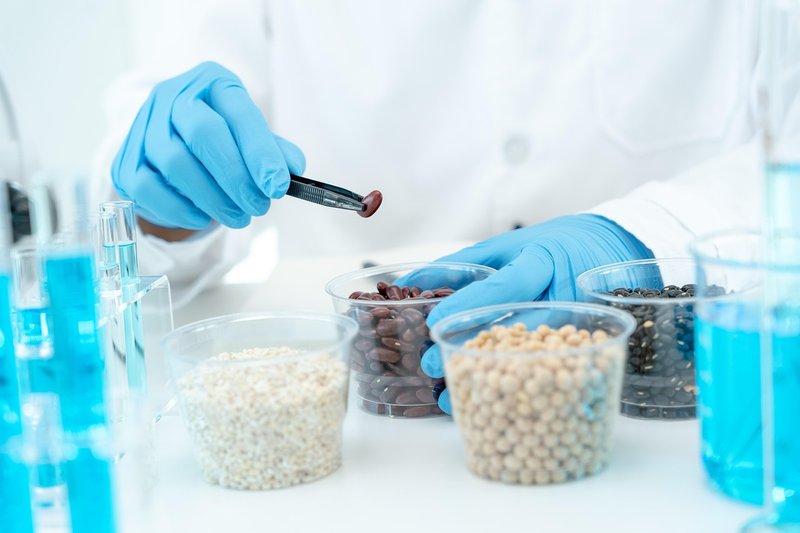
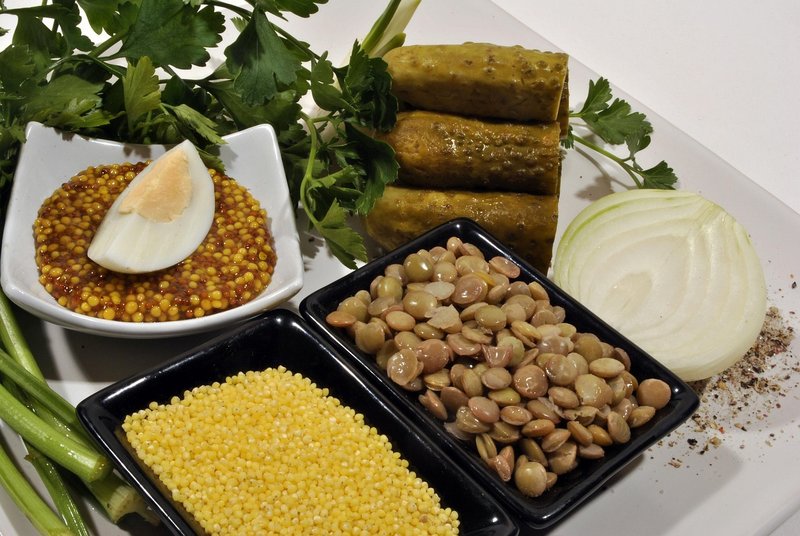
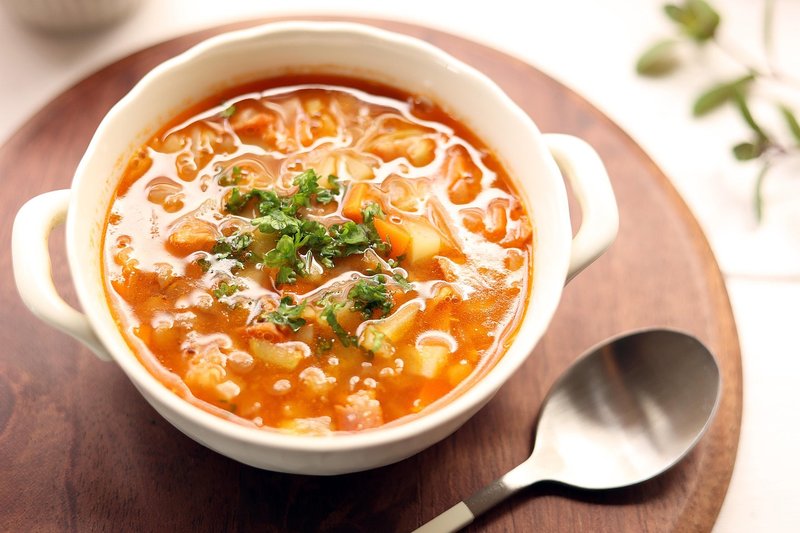
The Himachal Pradesh government approved the Himachal Pradesh Nutrition Policy 2026 on Thursday, 22 October 2026, with Chief Minister Sukhvinder Singh Sukhu giving it the go-ahead. The policy sets out a coordinated plan across several departments to tackle malnutrition, anaemia, deficiencies of vitamins and minerals, and diet-related diseases. At its heart is a push for traditional Himachali foods and locally grown produce, including millets, pulses, seasonal fruits, green leafy vegetables and dairy, alongside stronger food-safety testing.
Key Facts
- Approved: 22 October 2026, by Chief Minister Sukhvinder Singh Sukhu.
- Aims: to reduce malnutrition, anaemia, micronutrient deficiencies and diet-related diseases in the state.
- Foods promoted: traditional Himachali foods, millets, pulses, seasonal fruits, green leafy vegetables, dairy products and other locally available ingredients.
- Priority groups: the first 1,000 days of life, mothers and young children, adolescents and vulnerable sections of society.
- Food safety: the Composite Testing Laboratory at Kandaghat is to be upgraded and four more laboratories set up; the process for a new laboratory at Dharamshala has already begun.
- Departments involved: health, women and child development, education, agriculture, food and civil supplies and others are to coordinate on implementation.
- Not yet published: a budget, timelines or numeric targets for the policy were not given in reports of the approval.
Why It Matters
The policy treats nutrition as a problem with two sides: too little of the right food, shown in malnutrition and anaemia, and diets that feed long-term disease. A state nutrition policy is a way of bringing together departments that usually work separately: the health department's clinics, anganwadi centres run by women and child development, school meals under education, and farm and food supply departments.
What sets Himachal's policy apart is its emphasis on food the state already grows and eats. Hill states have their own grains, pulses and seasonal produce, and the policy names millets, pulses, greens and dairy as staples to encourage. Promoting such local foods links nutrition with farming and with food traditions, rather than relying only on supplements or packaged products.
The focus on the first 1,000 days of life, from pregnancy to a child's second birthday, puts early attention on mothers and infants, when nutrition support reaches a child at the start of life. Adding adolescents and vulnerable groups widens the net to those whose needs are often missed.
The food-safety part of the policy addresses a different risk: what reaches people's plates may be adulterated or unsafe. Upgrading the Kandaghat laboratory and building four more, with work already started at Dharamshala, should mean more food samples can be tested within the state. The Chief Minister said stronger testing labs and better food-quality surveillance would support public health.
There are open questions. Reports of the approval did not give a budget, deadlines or targets, so it is too early to say how quickly change will be felt, and one local commentary has questioned whether enforcement will keep pace with the growth of fast food. How the policy is funded and measured will decide whether it moves beyond intent.
| Element | What the policy says |
|---|---|
| Foods promoted | Traditional Himachali foods, millets, pulses, greens, seasonal fruits, dairy |
| Priority groups | First 1,000 days, mothers and children, adolescents, vulnerable groups |
| Food safety | Upgrade Kandaghat lab; four new labs; Dharamshala lab under way |
| Delivery | Several departments working together |
Impact
Short-term: Departments will need to draw up action plans, and food-safety officials can expect expanded testing capacity as the new laboratories come up.
Long-term: If funded and carried through, the policy could bring more local grains and produce into anganwadi and school meals, support farmers who grow them, and help reduce anaemia and malnutrition over time.
Who is affected: Mothers, infants, children and adolescents in Himachal Pradesh, anganwadi and health workers, schools, farmers growing millets and pulses, food businesses and food-safety officials.
Key Takeaway
Himachal Pradesh's Nutrition Policy 2026 bets on traditional local foods and stronger food testing to fight malnutrition and diet-related disease, though its budget and targets are still to be spelt out.
Questions and Answers
What is the Himachal Pradesh Nutrition Policy 2026?
It is a state policy approved on 22 October 2026 by Chief Minister Sukhvinder Singh Sukhu to tackle malnutrition, anaemia, micronutrient deficiencies and diet-related diseases through coordinated work by several government departments.
Which foods does the Himachal Nutrition Policy promote?
It promotes traditional Himachali foods and local produce, including millets, pulses, seasonal fruits, green leafy vegetables and dairy products.
Who will benefit most from the policy?
It gives priority to the first 1,000 days of life, mothers and young children, adolescents and vulnerable sections of society.
What does the policy do for food safety?
It plans to upgrade the Composite Testing Laboratory at Kandaghat and set up four more laboratories; work on a new laboratory at Dharamshala has already begun.
Disclaimer: Prepared by the Peepals newsroom from publicly available sources with AI assistance. Information is accurate to the best of our knowledge at the time of publication and may change. Images may be representative. Not professional advice. Report an error via our contact page.
By Ishita Sen, Culture & Heritage EditorCovers Culture & Heritage and more for Peepals Sanskriti. All stories by Ishita Sen
Bhai Dooj on Wednesday, November 11 in India: tika times by city
New Zealand's India Iconic Work Visa opens 200 places for Ayush practitioners
Ishita Sen is a pen name of the Peepals Global Editorial Team, which researches, fact-checks and publishes every story. The portrait is an illustration.