
Maharashtra takes FSSAI to Bombay High Court over food inspection powers
 By Ananya RaoAyush & Wellness Correspondent, Peepals Sanskriti

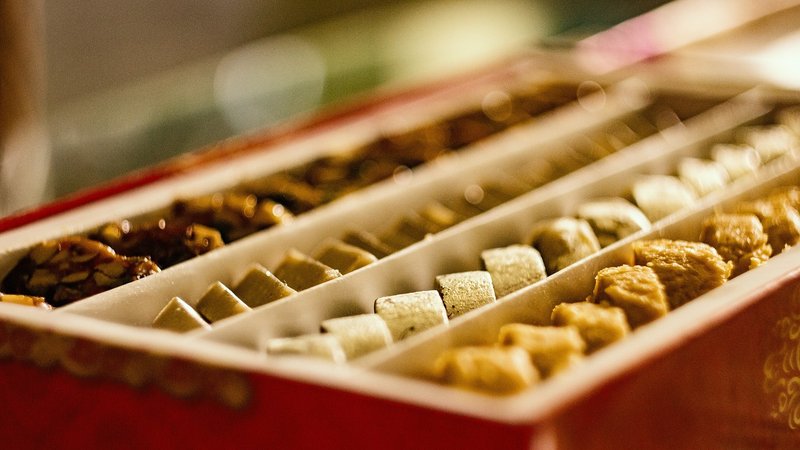
Representative image: advogadoaguilar / Pixabay
Maharashtra has challenged FSSAI in the Bombay High Court over food licensing and inspection powers; the court listed the case on October 23 for November 26, 2026.
What Happened
The Maharashtra government has gone to the Bombay High Court against the Food Safety and Standards Authority of India (FSSAI), arguing that the national food regulator has taken over licensing and inspection powers that the law gives to the states. The writ petition, filed through the state's Commissioner of Food Safety, came before a bench led by Chief Justice Mahesh Chandra Tripathi on Friday, October 23, 2026, which listed it for hearing on November 26, 2026. FSSAI's response has not been reported, and the court has not yet ruled on any of the state's claims.
Key Facts
- Petitioner: the Government of Maharashtra, through the state Commissioner of Food Safety, according to reports of the filing.
- Respondent: the Food Safety and Standards Authority of India, the national regulator set up under the Food Safety and Standards Act, 2006.
- The state challenges parts of the 2011 Licensing and Registration Regulations, the 2018 Recruitment Regulations and the 2026 Amendment Regulations.
- It objects to posts such as "Central Food Safety Officer" and "Central Licensing Authority", which it says the 2006 Act does not provide for.
- It seeks an interim stay on a May 2023 FSSAI order that stopped state officers from inspecting businesses holding central licences.
- It also asks that licence records kept on FSSAI's online Food Safety Compliance System (FoSCoS) be handed to state authorities.
- Next date: November 26, 2026, before the Chief Justice's bench.
Why It Matters
Most Indians never think about who inspects the sweet shop, the dairy or the packaged-food factory near them, but the answer decides how quickly adulterated food is caught. Under the 2006 Act, FSSAI writes the national standards, while each state has a Commissioner of Food Safety and food safety officers who license businesses, collect samples and launch prosecutions. Large businesses, such as big manufacturers, importers and units working across several states, take a central licence from FSSAI; smaller ones take state licences or a basic registration.
Maharashtra's case is that, over the years, FSSAI has built what the state calls a parallel enforcement system on top of this arrangement. Its main complaint is the May 2023 order that, according to the petition, barred state officers from inspecting centrally licensed premises. The state argues that this leaves some of the largest food businesses in Maharashtra outside the reach of its own inspectors, even though the law, in its reading, makes the state commissioner responsible for enforcement within the state. It also argues that FSSAI's chief executive had no power to create new central posts that the Act does not name.
The timing is notable. The petition comes in the middle of the festive season, when states including Maharashtra, Delhi, Madhya Pradesh and Telangana have been running large drives against adulterated ghee, khoya, paneer and sweets. Those drives depend on state officers being able to walk into a unit, take samples and send them to a laboratory. Who may inspect which premises is therefore not only a legal question but a practical one for the safety of food on Indian plates, including the traditional foods that dominate Diwali and wedding-season buying.
These are the state's arguments, set out in its petition. FSSAI has not, according to the reports, filed a reply yet, and its side of the dispute is not known. Courts often take months to settle questions about how powers are divided between a central authority and the states.
| Point in dispute | Maharashtra's position (as reported) |
|---|---|
| Central Food Safety Officer posts | Not recognised by the 2006 Act |
| May 2023 inspection order | Should be stayed; bars state officers from centrally licensed units |
| FoSCoS licence records | Should be transferred to state authorities |
| 2011, 2018 and 2026 regulations | Challenged provisions should be quashed |
Impact
Short-term: Nothing changes for food businesses or consumers until the court acts. The current licensing system and FSSAI's inspection rules remain in force while the case is pending.
Long-term: If the court accepts the state's arguments, state food safety officers could regain the power to inspect large, centrally licensed units, and other states could make similar claims. If the court backs FSSAI, the present split, in which the national regulator oversees big businesses directly, would be confirmed.
Who is affected: Food manufacturers, importers and large chains holding central licences in Maharashtra; state and central food safety officials; and consumers who rely on inspections to keep adulterated food off the market.
Key Takeaway
Maharashtra has asked the Bombay High Court to restore what it says are the states' food inspection and licensing powers under the 2006 Act, and the case will be heard on November 26, 2026.
Questions and Answers
Why has Maharashtra taken FSSAI to the Bombay High Court?
The state says FSSAI has created a parallel enforcement system that takes away licensing and inspection powers given to state authorities under the Food Safety and Standards Act, 2006, including a May 2023 order barring state officers from inspecting centrally licensed businesses.
When will the Bombay High Court hear the Maharashtra FSSAI case?
A bench led by Chief Justice Mahesh Chandra Tripathi listed the petition on October 23, 2026, for hearing on November 26, 2026.
Does this change food safety rules for shops and consumers now?
No. The existing rules stay in force unless and until the court grants a stay or decides the case.
What is a central food licence?
It is a licence issued by FSSAI itself, rather than by a state, to larger food businesses such as big manufacturers, importers and units operating in more than one state.
Disclaimer: Prepared by the Peepals newsroom from publicly available sources with AI assistance. Information is accurate to the best of our knowledge at the time of publication and may change. Images may be representative. Not professional advice. Report an error via our contact page.
By Ananya Rao, Ayush & Wellness CorrespondentCovers Ayush and more for Peepals Sanskriti. All stories by Ananya Rao
Rama Ekadashi 2026 on November 5: how sunrise and Dwadashi decide
NCISM halts 2026-27 admissions at Haridwar Unani college, fines it Rs 1 crore
Ananya Rao is a pen name of the Peepals Global Editorial Team, which researches, fact-checks and publishes every story. The portrait is an illustration.