
Delhi destroys 922 kg of sweets, khoya in pre-Diwali food raids
 By Devansh TiwariKnowledge Systems Writer, Peepals Sanskriti
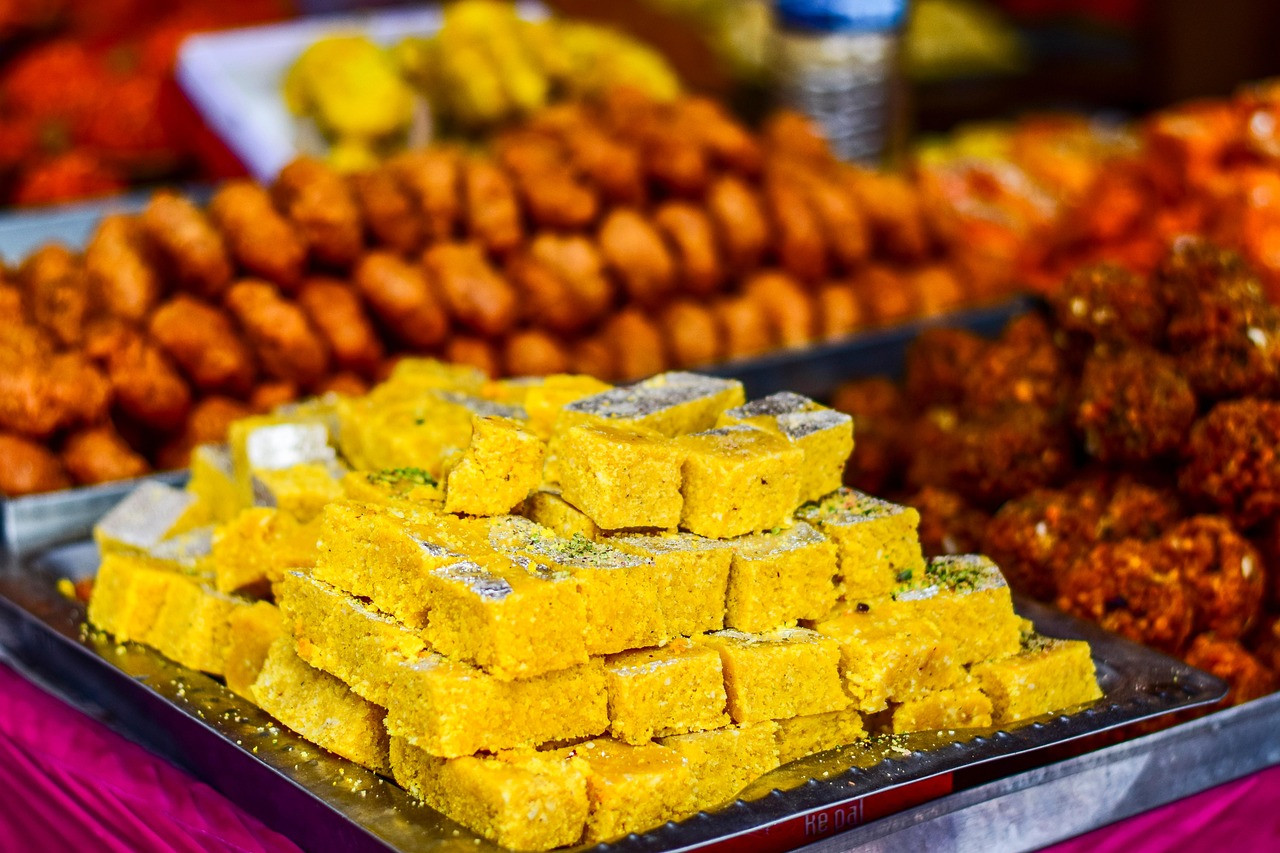
Representative image: RavendraSingh / Pixabay
Delhi food safety teams destroyed 922 kg of sweets, khoya and chhena in raids at Nihal Vihar and Mori Gate Khoya Mandi, reported October 25, 2026.
What Happened
Delhi's Food Safety Department destroyed 922 kg of sweets and dairy products in festive-season raids at Nihal Vihar in west Delhi and at the Mori Gate Khoya Mandi in the old city, according to reports on October 25, 2026. About 402 kg of rasgullas, milk cake, chhena and grated coconut was destroyed after inspections of 13 premises in Nihal Vihar, including units making rasgullas without a licence, and 520 kg of khoya and chhena found abandoned and spoiled at Mori Gate was destroyed on the spot. Samples have gone for laboratory tests. Chief Minister Rekha Gupta said: "Those who violate rules and play with public health will not be spared."
Key Facts
- Total destroyed: 922 kg of sweets and dairy products across the two drives.
- Nihal Vihar: 13 premises inspected, including unlicensed rasgulla units, sweet makers and shops; about 402 kg destroyed, made up of 265 kg of rasgullas, 80 kg of milk cake, 45 kg of chhena and 12 kg of grated coconut.
- 14 samples were collected at Nihal Vihar for laboratory testing.
- Mori Gate Khoya Mandi: 520 kg destroyed, 370 kg of khoya and 150 kg of chhena, found abandoned, spoiled and giving off a foul smell; three khoya samples were taken.
- Officials said the Nihal Vihar raid was planned so that manufacturers would not get advance word; during an earlier attempt on August 26, several shops had shut and only three premises could be checked.
- Laboratory results on the samples are still awaited, so whether the products were adulterated, rather than spoiled, is not yet established.
Why It Matters
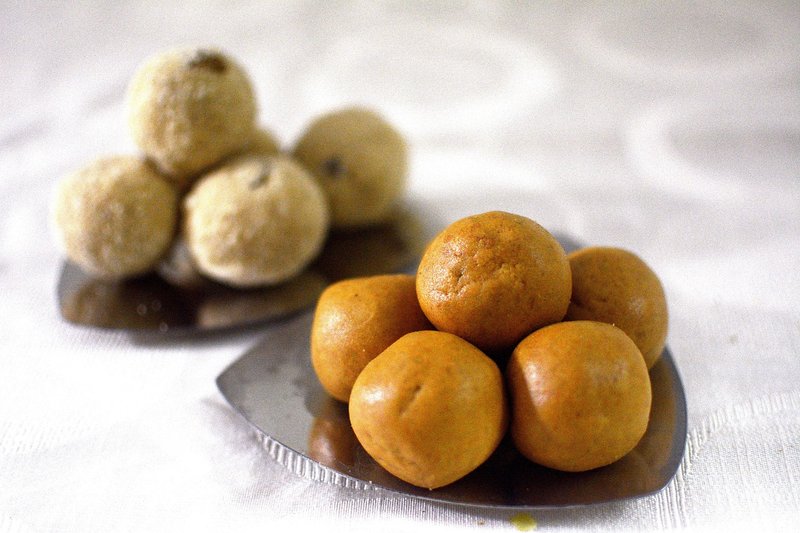
Khoya and chhena are the base of most of the sweets Indian families buy in the weeks before Diwali, which falls on November 8 this year. Khoya is milk slowly reduced until it becomes a thick, solid mass; chhena is fresh curd made by splitting hot milk, used for rasgullas, sandesh and rasmalai. Both are made in large quantities in a short season, both spoil quickly without refrigeration, and both are easy to stretch with cheaper ingredients. That is why food regulators across the country step up checks on dairy sweets every festive season.
The Delhi raids show two separate risks. At Nihal Vihar the concern was unlicensed production: small units turning out rasgullas and milk cake outside the licensing system, which means no one has checked their premises, water or hygiene. At Mori Gate the problem was spoilage: large amounts of khoya and chhena left lying in a wholesale market until they turned bad. Spoiled dairy can carry bacteria that cause food poisoning, and there is a risk that such stock is quietly sold on to sweet makers at a discount.
Traditional Indian sweets are part of the festival's meaning, offered at puja and shared with neighbours and relatives. That makes their safety a matter of everyday wellbeing rather than a niche regulatory issue. A sweet that looks and smells normal can still be made from poor-quality khoya, so the checks matter most for buyers who cannot tell the difference at the counter.
| Location | Destroyed | Samples |
|---|---|---|
| Nihal Vihar (13 premises) | about 402 kg | 14 |
| Mori Gate Khoya Mandi | 520 kg | 3 |
| Total | 922 kg | 17 |
Impact
Short-term: More surprise inspections are likely in Delhi's markets in the run-up to Diwali, and units found without a licence face action. Laboratory reports on the 17 samples will decide whether any case of adulteration is made out.
Long-term: Repeated seizures every festive season point to the need for better cold storage and tighter licensing in the wholesale khoya trade, so that spoiled stock does not reach sweet shops at all.
Who is affected: Families buying festive sweets in Delhi, licensed sweet makers who compete with cheaper unlicensed units, wholesale khoya traders, and food safety officials.
Key Takeaway
Delhi's destruction of 922 kg of spoiled and unlicensed sweets and khoya is a reminder that the dairy base of festive mithai is the weakest point in the chain, and that buying from licensed shops is the simplest safeguard.
Questions and Answers
How much food did Delhi destroy in the festive raids?
922 kg of sweets and dairy products: about 402 kg in Nihal Vihar and 520 kg of khoya and chhena at the Mori Gate Khoya Mandi, according to reports on October 25, 2026.
Were the sweets adulterated?
That has not been established. The Mori Gate stock was found spoiled and foul-smelling, and the Nihal Vihar units included unlicensed makers. Samples have been sent for laboratory tests.
What are khoya and chhena?
Khoya is milk reduced by slow boiling into a thick solid; chhena is fresh curd made by splitting hot milk. They are the base of many sweets, including barfi, milk cake and rasgulla.
How can buyers protect themselves before Diwali?
Buy from shops that display a food safety licence or registration, prefer fresh stock, avoid sweets that smell sour or look sticky, and keep milk sweets refrigerated.
Disclaimer: Prepared by the Peepals newsroom from publicly available sources with AI assistance. Information is accurate to the best of our knowledge at the time of publication and may change. Images may be representative. Not professional advice. Report an error via our contact page.
By Devansh Tiwari, Knowledge Systems WriterCovers Knowledge Systems and more for Peepals Sanskriti. All stories by Devansh Tiwari
Bhavani devotees throng Indrakeeladri; Durga temple drops paid darshan
Kartik 2026 begins October 27: why amanta calendars start two weeks later
Devansh Tiwari is a pen name of the Peepals Global Editorial Team, which researches, fact-checks and publishes every story. The portrait is an illustration.