WHO launches traditional medicine working papers, starting with cupping training
 By Ananya RaoAyush & Wellness Correspondent, Peepals Sanskriti
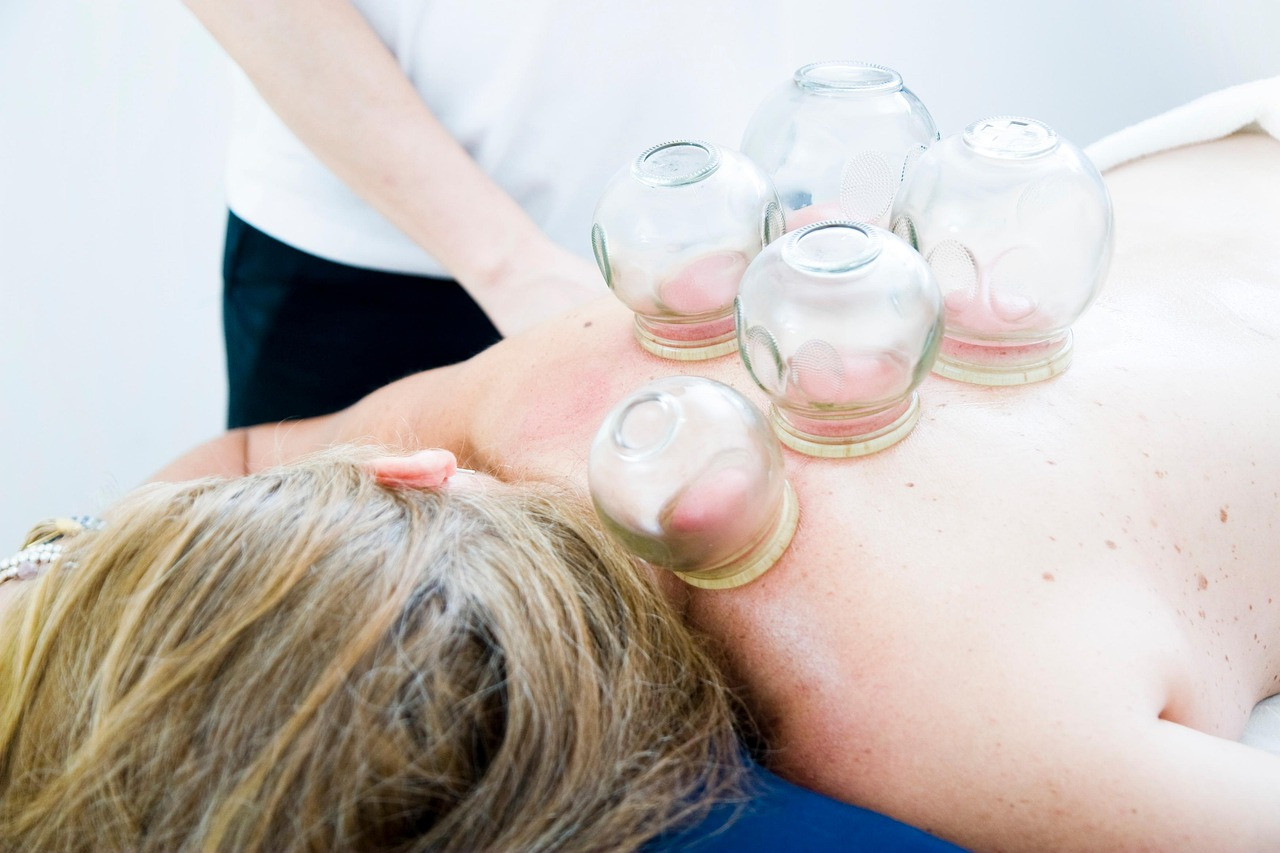
Representative image: mrgar / Pixabay
WHO's Global Traditional Medicine Centre launched a working paper series on 23 October 2026; the first maps how cupping, Hijama in Unani, is taught.
What Happened
The World Health Organization (WHO) has launched a new series of working papers on traditional medicine, announced on 23 October 2026 by its Global Traditional Medicine Centre. The first paper, titled "Cupping therapy: descriptive synthesis of training", maps how training in cupping is organised and documented in different settings. In India, cupping is practised in the Unani system, where it is known as Hijama.
Key Facts
- Publisher: the WHO Global Traditional Medicine Centre, the WHO unit for traditional, complementary and integrative medicine.
- Announcement: a WHO departmental update dated 23 October 2026, "WHO launches working papers on traditional medicine".
- Two streams: one set of papers will cover whole traditional medicine systems, and another will cover specific therapies or techniques.
- First paper: "Cupping therapy: descriptive synthesis of training", dated October 2026, about 30 pages long.
- Method: the first paper rests mainly on a systematic scoping review, a structured search of what has already been published on a topic.
- What it covers: training pathways, curriculum content, competencies, learning outcomes, teaching and assessment methods, trainer qualifications, training facilities and accreditation.
- Focus: the analysis centres on cupping within traditional Chinese medicine, while noting that cupping differs from one medical system to another.
- Status: WHO describes the papers as descriptive references, not standards or treatment guidance.
Why It Matters
Cupping is a technique in which cups are placed on the skin and a partial vacuum is created, by heat or suction, so that the skin is drawn up into the cup. In "wet" cupping, small cuts are made so that some blood is drawn out. The method appears in several traditions, from traditional Chinese medicine to Unani. In Unani, published reviews place Hijama within Ilaj-bil-Tadbeer, or regimental therapy, a group of procedures that also includes bloodletting and leech therapy. Because the same name covers very different practices, who is allowed to perform cupping, and after what training, varies widely between countries and systems.
That is the gap the WHO paper addresses. It does not say whether cupping works for any disease. Instead it asks a narrower, practical question: how are practitioners trained, who trains them, and how is that training checked? For regulators, this matters because a procedure that breaks the skin carries risks of infection and injury if done by untrained hands. Reviews of Hijama in Unani have also noted that the practice is widespread but that many reports describe non-standard methods, and they have called for standard protocols and better clinical trials.
For India, the series fits a wider push to set rules and gather evidence for Ayush systems. WHO's Global Traditional Medicine Strategy 2025-2034 asks member countries to build an evidence base and integrate safe, quality-assured traditional medicine into health systems, and the WHO research agenda for the field released in September 2026 notes that such medicine receives less than one per cent of global health research funding. Unani colleges, regulators and teachers here can use the paper's training map when they set or review course content.
Belief and evidence must be kept apart here. The tradition holds that Hijama draws out harmful matter from the body; the WHO paper makes no such claim and gives no treatment advice. Anyone considering cupping should consult a registered practitioner and their doctor.
| Item | Detail |
|---|---|
| Body | WHO Global Traditional Medicine Centre |
| Announced | 23 October 2026 |
| Series | Working papers on traditional medicine |
| First paper | Cupping therapy: descriptive synthesis of training |
| Nature | Descriptive reference, not a standard |
Impact
Short-term: Regulators, Ayush and other traditional medicine colleges, and accreditation bodies have a single reference on how cupping training is currently organised around the world. Further papers in the series are expected to cover other systems and techniques.
Long-term: If the series becomes the base for WHO training benchmarks, countries may move towards more uniform rules on who can practise procedures such as cupping, which could affect how Unani institutions in India design their courses.
Who is affected: Unani teachers and students, Ayush regulators, practitioners of cupping in India and abroad, patients who use such therapies, and researchers who study traditional medicine.
Key Takeaway
WHO's new traditional medicine working paper series opens with a map of how cupping therapy, known as Hijama in Unani, is taught and accredited, offering regulators a reference rather than a treatment claim.
Questions and Answers
What did WHO launch on 23 October 2026?
The WHO Global Traditional Medicine Centre launched a series of working papers on traditional medicine. The first paper, "Cupping therapy: descriptive synthesis of training", reviews how training in cupping is organised and accredited in different settings.
Does the WHO paper say cupping therapy works?
No. WHO describes the paper as a descriptive reference on training, not a standard or a judgement on whether cupping treats any condition.
How is cupping linked to Ayush?
In the Unani system of medicine, recognised in India under the Ministry of Ayush, cupping is known as Hijama and is grouped with regimental therapies, so the paper is relevant to Unani teaching and regulation.
Who will use these working papers?
WHO says they are aimed at policymakers, regulators, educators, accreditation bodies, health professionals and researchers who need a clear picture of how traditional practices are taught and governed.
Disclaimer: Prepared by the Peepals newsroom from publicly available sources with AI assistance. Information is accurate to the best of our knowledge at the time of publication and may change. Images may be representative. Not professional advice. Report an error via our contact page.
By Ananya Rao, Ayush & Wellness CorrespondentCovers Ayush and more for Peepals Sanskriti. All stories by Ananya Rao
Ananya Rao is a pen name of the Peepals Global Editorial Team, which researches, fact-checks and publishes every story. The portrait is an illustration.