
IRCTC brings in QCI for surprise food safety audits on trains, stations
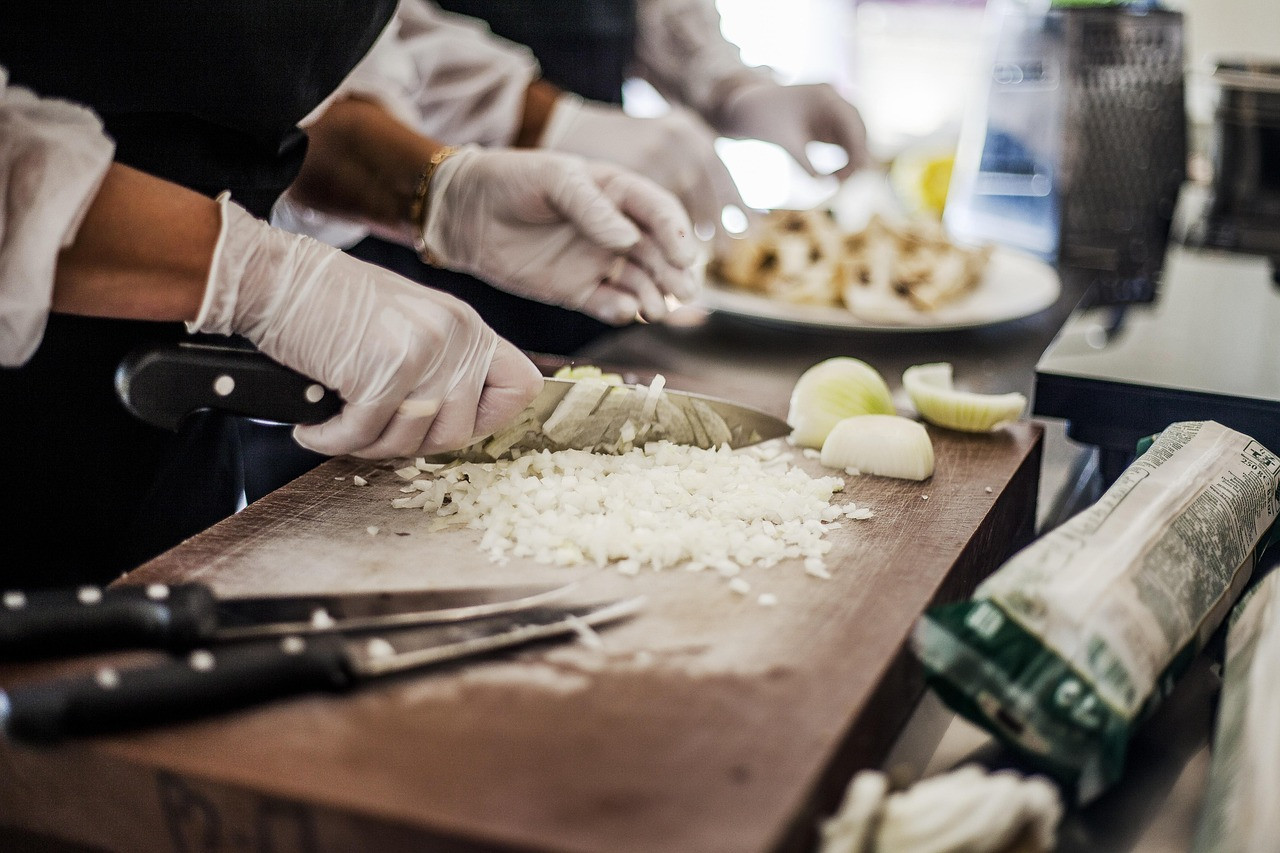
Representative image: katesokate / Pixabay
IRCTC signed an MoU with the Quality Council of India on October 15, 2026 for unannounced third-party food safety audits of railway catering units.
What Happened
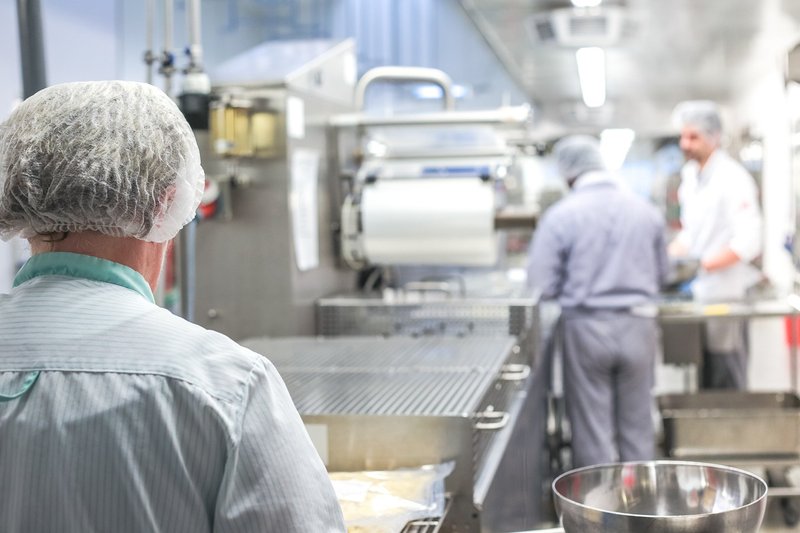
The Indian Railway Catering and Tourism Corporation (IRCTC) signed a memorandum of understanding (MoU) with the Quality Council of India (QCI) on October 15, 2026 to bring independent, third-party food safety audits to railway catering. Under the agreement, QCI will send certified auditors on unannounced visits, every quarter and every half-year, to pantry cars and other mobile catering units on trains and to food stalls and kitchens at stations. They will check compliance with the rules of the Food Safety and Standards Authority of India (FSSAI) and with prescribed hygiene norms.
Key Facts
- The MoU between IRCTC and the Quality Council of India was signed on October 15, 2026.
- It covers mobile catering units on trains and static catering outlets at railway stations.
- QCI will deploy certified professionals for unannounced quarterly and half-yearly inspections.
- Audits will check FSSAI compliance, including food handling, storage, pest control, staff hygiene and the medical fitness of catering workers.
- Inspectors will use a mobile app with geo-tagging, time-stamps and photographs, and must submit audit reports within 24 hours.
- The agreement also sets up a framework for later work such as training for catering staff, passenger satisfaction surveys and infrastructure audits.
Why It Matters
Food is one of the most personal parts of a train journey in India. On long routes, millions of passengers eat what is cooked in base kitchens, carried on board or sold on platforms, often for a day or more at a stretch. Their only protection is the hygiene of kitchens they never see.
The new arrangement adds an outside checker. QCI is an autonomous body set up by the government to run accreditation and quality-assurance programmes, and its auditors are not part of the catering chain they will inspect. Surprise visits matter because a kitchen warned in advance can be cleaned for one day; a kitchen that may be checked any day has a reason to stay clean every day.
The digital tools are also significant. Geo-tagged, time-stamped photographs make it harder to file a report without visiting, and the 24-hour deadline means problems can be acted on quickly instead of waiting in a file. IRCTC says this will let it track corrective and preventive action against each finding.
Food safety rules apply to all food businesses in India, but railway catering has particular risks: food cooked in one place and served hours later, limited cold storage on moving trains, and large numbers of short-term workers. Checks on storage temperatures, pest control and staff health target exactly those weak points. Reports on the agreement also note a caution: the MoU by itself does not guarantee better meals. Its value will depend on how consistently audits are carried out and how firmly violations are corrected.
| IRCTC–QCI audit plan | Detail |
|---|---|
| Signed | October 15, 2026 |
| Where | Pantry cars and mobile units on trains; stalls and kitchens at stations |
| How often | Unannounced quarterly and half-yearly visits |
| Checked against | FSSAI regulations and hygiene norms |
| Reporting | Through a mobile app, within 24 hours |
Impact
Short-term: Catering contractors on trains and at stations should expect unannounced audits and will need to keep storage, pest control, staff hygiene and medical certificates in order at all times. The first round of audits will show where the biggest gaps are.
Long-term: A regular, independent record of how each catering unit performs could help IRCTC decide which contractors keep their licences and where training is needed. Passenger surveys planned under the same framework could add the traveller's view to the inspection data.
Who is affected: Train passengers who buy meals on board or at stations, IRCTC and its licensed catering contractors, cooks, vendors and pantry staff, and food safety officials who will receive the audit findings.
Key Takeaway
From October 2026, railway catering in India will face surprise, independent hygiene audits by the Quality Council of India, with photo-backed reports due within a day.
Questions and Answers
What did IRCTC and QCI agree on October 15, 2026?
They signed an MoU under which the Quality Council of India will carry out independent, unannounced food safety and hygiene audits of IRCTC catering, both on trains and at railway stations, every quarter and every half-year.
What will the auditors check?
They will check compliance with FSSAI regulations and hygiene norms, including how food is handled and stored, pest control, staff hygiene and whether catering workers have valid medical fitness records.
How will audit results be reported?
Auditors will use a mobile app that records geo-tagged, time-stamped photographs and must submit each report within 24 hours, so IRCTC can track corrective action.
Will train food improve immediately?
Not automatically. The audits create independent checks and quick reports, but any improvement will depend on how regularly inspections happen and how strictly IRCTC acts on the problems they find.
Disclaimer: Prepared by the Peepals newsroom from publicly available sources with AI assistance. Information is accurate to the best of our knowledge at the time of publication and may change. Images may be representative. Not professional advice. Report an error via our contact page.
Sourced and fact-checked by the Peepals Global Editorial Team
Kerala police warn Ayurveda doctors whose names front illegal spas
Sabarimala Thulam rush: 65,000 pilgrims a day, minister flags gaps
Reported, fact-checked and published by the Peepals Global Editorial Team.