Navratri vrat foods: UP seizes 20,924 kg in drive on kuttu, ghee adulteration
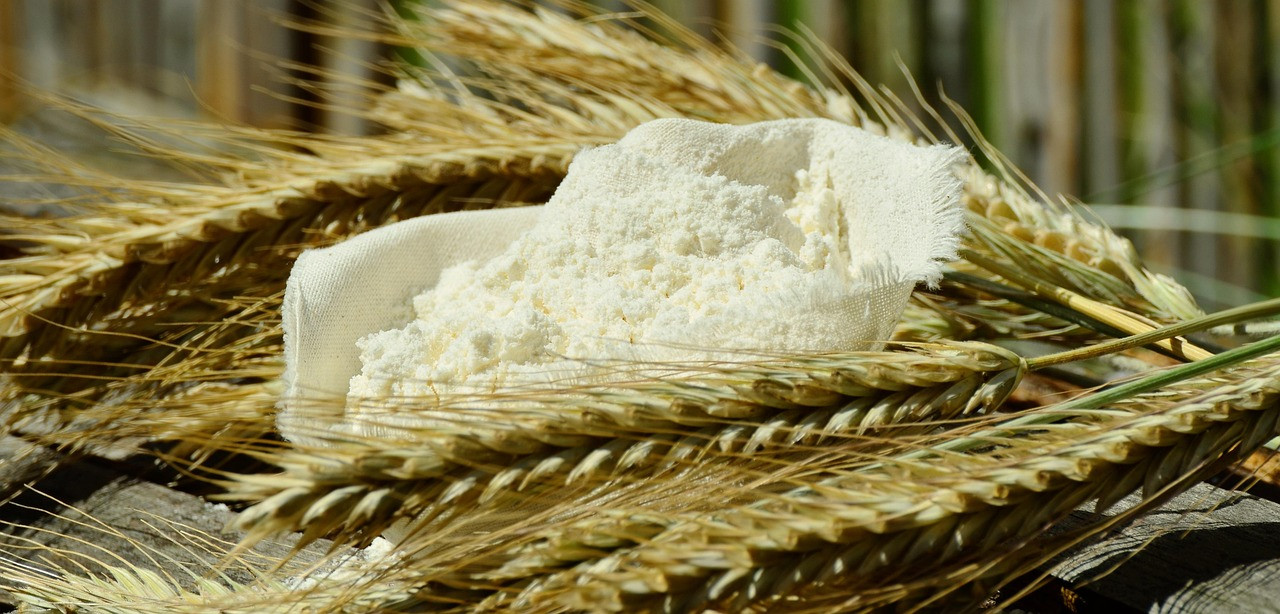
Representative image: congerdesign / Pixabay
Uttar Pradesh's FSDA seized 20,924 kg of suspect ghee and fasting foods like kuttu flour on 8-9 October 2026, ahead of Navratri, and sent 176 samples for tests.
What Happened
Uttar Pradesh's Food Safety and Drug Administration (FSDA) seized 20,924 kg of food worth about Rs 66.87 lakh in a statewide drive against adulterated fasting foods held on 8 and 9 October 2026, just before Navratri began on 11 October. Teams checked the foods people rely on during the nine days of vrat, including ghee, edible oil, vanaspati, kuttu (buckwheat) flour, singhara (water chestnut) flour and sabudana. They collected 176 food samples for testing and destroyed 4,273 kg of food found unfit to eat. The drive is part of the state's "Shuddh Hi Shubh Hai" (only the pure is auspicious) campaign, which began on 17 September 2026 and has so far led to the suspension of 73 food business licences.
Key Facts
- Who: Uttar Pradesh Food Safety and Drug Administration (FSDA).
- When: statewide checks on 8 and 9 October 2026, ahead of Navratri, which began on 11 October.
- Seized: 20,924 kg of food, valued at about Rs 66.87 lakh (an earlier wire report gave a different consolidated total).
- Samples: 176 sent for laboratory testing.
- Destroyed: 4,273 kg of food unfit for human consumption, worth about Rs 63,900.
- Foods checked: ghee, edible oil, vanaspati, kuttu and singhara flour, sabudana and other fasting foods.
- Largest single seizure reported: 3,281 kg of ghee from three establishments in Bareilly; ghee was also seized in Etah.
- Campaign so far (since 17 September): 73 licences suspended and 152 improvement notices issued.
Why It Matters
Navratri fasting is one of the most widely followed food traditions in north India. Many people give up grains for nine days and eat dishes made from kuttu and singhara flour, sabudana, potatoes, milk products and ghee. That sudden, concentrated demand for a few speciality ingredients is what makes the season risky. Kuttu flour in particular has a short shelf life and spoils quickly if stored badly, and stale or adulterated stock reaching the market at festival time has made people ill before.
The pattern is well documented. In September 2025, around 200 people in north-west Delhi fell ill after eating kuttu flour dishes while fasting during Navratri, prompting a food safety investigation. In October 2024, according to reports at the time, about 150 to 160 people in Meerut were taken to hospital within hours of breaking their fast with kuttu dishes. Such incidents turn a practice meant to be good for body and mind into a health hazard.
Ghee is the other big concern, since it is used heavily in vrat cooking and festive sweets. The large ghee seizures in Bareilly and Etah show where inspectors are finding the biggest problems.
For people who fast, the drive is a reminder that the traditional benefits of a vrat diet depend on clean, fresh ingredients. A fast built on light, simple foods only works if those foods are what the label says they are.
| Measure | Figure |
|---|---|
| Food seized (8-9 October) | 20,924 kg, about Rs 66.87 lakh |
| Samples collected | 176 |
| Food destroyed as unfit | 4,273 kg |
| Licences suspended since 17 September | 73 |
| Improvement notices since 17 September | 152 |
Impact
Short-term: Shops and suppliers in Uttar Pradesh face closer checks for the rest of the festive season, which runs on to Dussehra and Diwali. Laboratory results on the 176 samples will decide whether more licences are suspended or cases filed.
Long-term: Repeated festival-time seizures point to a supply problem, not a one-off. Lasting improvement depends on regular testing of fasting flours and ghee through the year, and on buyers being able to trace where their food comes from.
Who is affected: People observing Navratri fasts in Uttar Pradesh and their families, sweet shops, grocers and ghee and flour suppliers, and food safety officials across the state.
Key Takeaway
Ahead of Navratri 2026, Uttar Pradesh's food safety agency seized 20,924 kg of suspect fasting foods and ghee and sent 176 samples for testing, as kuttu and ghee adulteration remain a festival-time health risk.
Questions and Answers
What did Uttar Pradesh's food safety department seize before Navratri 2026?
In checks on 8 and 9 October 2026, the FSDA seized 20,924 kg of food worth about Rs 66.87 lakh, including ghee and fasting foods such as kuttu and singhara flour and sabudana, and destroyed 4,273 kg found unfit to eat.
What is the "Shuddh Hi Shubh Hai" campaign?
It is an Uttar Pradesh FSDA campaign against food adulteration that began on 17 September 2026. By early October it had led to 73 licence suspensions and 152 improvement notices.
Why is kuttu flour a concern during Navratri?
Kuttu flour spoils quickly when stored badly, and demand spikes during Navratri fasting. Spoiled or adulterated kuttu has caused mass illness before, including about 200 people in Delhi in September 2025.
Which foods were checked in the drive?
Ghee, edible oil, vanaspati, kuttu (buckwheat) flour, singhara (water chestnut) flour, sabudana and other foods eaten during fasts.
Disclaimer: Prepared by the Peepals newsroom from publicly available sources with AI assistance. Information is accurate to the best of our knowledge at the time of publication and may change. Images may be representative. Not professional advice. Report an error via our contact page.
Sourced and fact-checked by the Peepals Global Editorial Team
Mysuru's Yoga Dasara opens with talks on yoga for preventive health
Bharat BoudhIKS 2.0: universities enrol students for national IKS exam on Nov 21
Reported, fact-checked and published by the Peepals Global Editorial Team.