Diets low in dal and vegetables linked to higher cholesterol in at-risk Indians
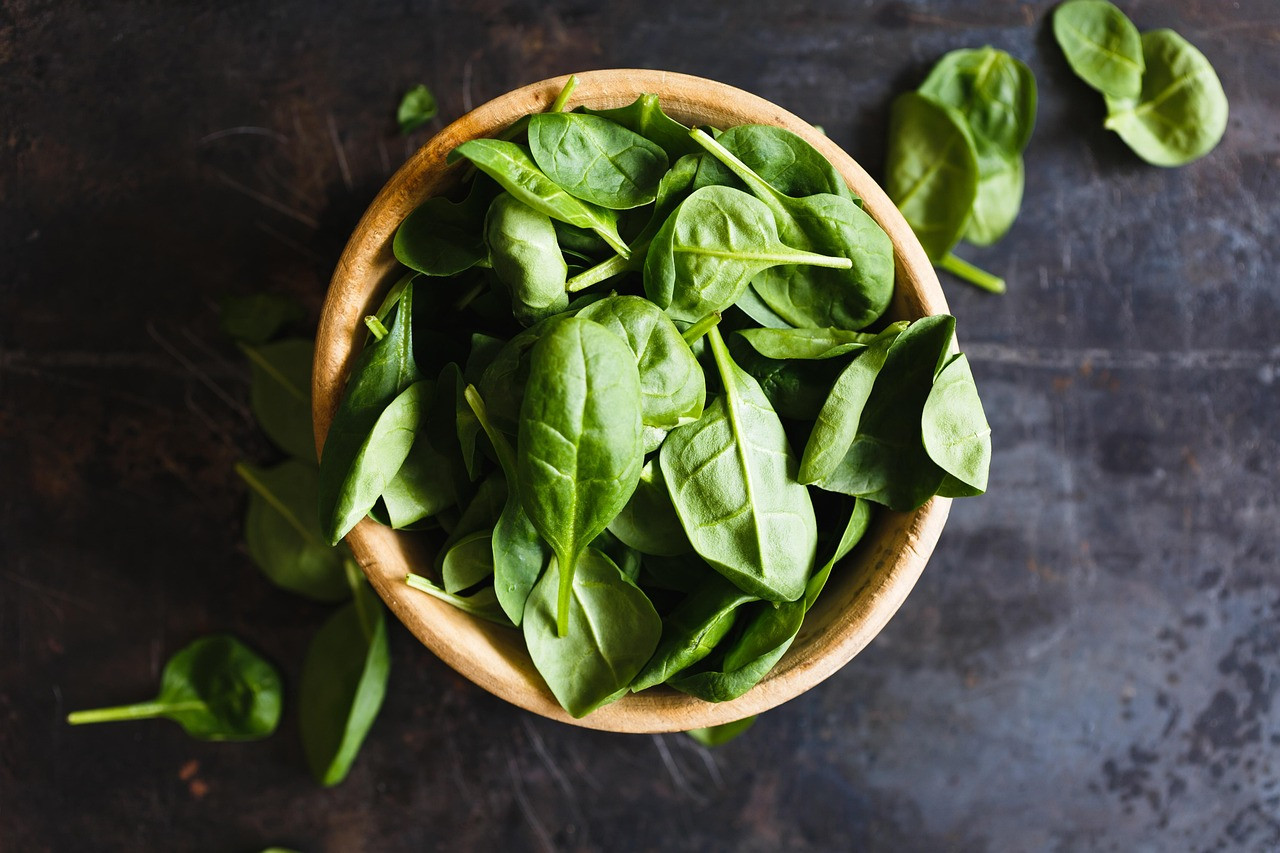
Representative image: Kost9n4 / Pixabay
A PLOS One study of 1,020 Chennai adults, published 14 October 2026, links diets low in fruit, vegetables and pulses to higher cholesterol in people with diabetes genes.
What Happened
A study of 1,020 adults in Chennai has found that people who carry gene variants linked to diabetes had higher blood cholesterol when their diets contained the fewest fruits, vegetables, beans and lentils. The research, by scientists at the University of Reading in the UK and the Madras Diabetes Research Foundation (MDRF) in Chennai, was published in the journal PLOS One on Wednesday, 14 October 2026. It was led by Professor Vimal Karani of Reading. The authors link their findings to a wider change in Indian eating habits, with more white rice and white flour and less fibre, fruit and vegetables on the plate, and they stress that the study shows an association, not proof of cause and effect.
Key Facts
- The study analysed the genes and diets of 1,020 adults in Chennai.
- It was published in PLOS One on 14 October 2026.
- The paper is titled "Low diet quality increases the genetic risk of high blood cholesterol levels in Asian Indian adults".
- Researchers from the University of Reading and the Madras Diabetes Research Foundation carried out the work, led by Professor Vimal Karani.
- People with diabetes-linked gene variants had higher cholesterol when they ate the least fruit, vegetables, beans and lentils.
- The researchers describe it as the first study of how genes and overall diet quality together affect cholesterol in people of Indian heritage.
- The authors say longer studies are needed to test whether improving diet lowers cholesterol in people with these genes.
Why It Matters
High blood cholesterol is a widely recognised risk factor for heart disease. The new study suggests that for some people, the risk does not come from genes alone or from diet alone, but from the two together. A person carrying certain variants may be more sensitive to a diet that is low in plant foods.
This connects directly to how Indian kitchens are changing. Traditional meals in many parts of the country were built around dal, seasonal vegetables, whole grains and fruit. The study's authors note a shift towards white rice and refined white flour, with less fibre and fewer fruits and vegetables. If their findings hold up, that shift may matter most for the people who are genetically least able to cope with it.
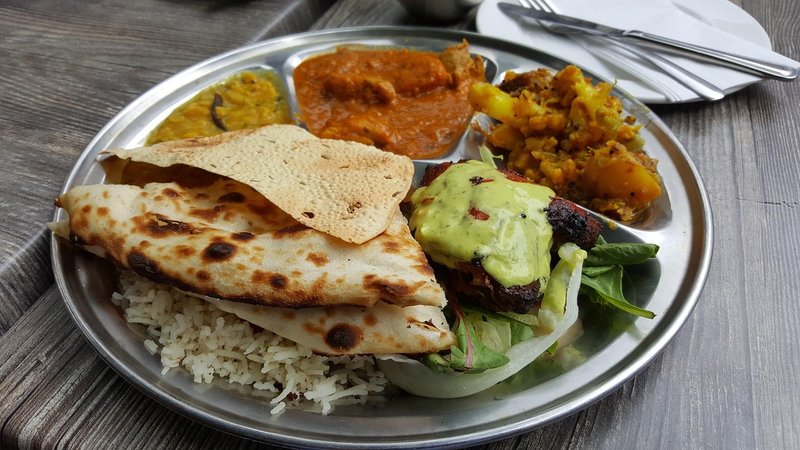
The practical point is simple and does not require expensive products. Karani suggested that eating more fruit, vegetables, beans and lentils may help protect those most at risk. These are everyday foods in Indian homes: rajma, chana, moong, toor dal and sabzi. The research does not say that any single food lowers cholesterol, and it does not replace medical advice or testing. People with high cholesterol or a family history of diabetes or heart disease should still speak to a doctor.
It is also important to read the study for what it is. It shows that poor diet quality and certain genes go together with higher cholesterol, but it cannot prove that changing diet would bring cholesterol down. That is why the authors call for longer-term studies.
| Item | Detail |
|---|---|
| Participants | 1,020 adults in Chennai |
| Published | PLOS One, 14 October 2026 |
| Lead researcher | Professor Vimal Karani, University of Reading |
| Partner | Madras Diabetes Research Foundation |
| Key foods linked to lower risk | Fruit, vegetables, beans and lentils |
Impact
Short-term: The findings give families another reason to keep pulses, vegetables and fruit at the centre of daily meals, especially where diabetes runs in the family.
Long-term: If longer studies confirm the link, doctors may one day combine genetic risk with diet advice to give more personal guidance on preventing high cholesterol in Indian patients.
Who is affected: Indian adults with a family history of diabetes or high cholesterol, families whose diets have moved towards refined rice and flour, and doctors and dietitians advising patients on heart health.
Key Takeaway
A Chennai study links diets low in fruit, vegetables, beans and lentils to higher cholesterol in people with diabetes-linked genes, adding scientific weight to the traditional dal-and-sabzi plate.
Questions and Answers
What did the Chennai cholesterol study find?
Among 1,020 adults in Chennai, people carrying gene variants linked to diabetes had higher cholesterol when their diets contained the fewest fruits, vegetables, beans and lentils, according to the study published in PLOS One on 14 October 2026.
Who carried out the study?
Researchers from the University of Reading and the Madras Diabetes Research Foundation, led by Professor Vimal Karani of Reading.
Does this prove that eating more dal and vegetables lowers cholesterol?
No. The study shows an association, not cause and effect. The authors say longer studies are needed to test whether better diets lower cholesterol in genetically at-risk people.
What diet change does the study point to?
The authors link the risk to a shift towards white rice and white flour with less fibre, fruit and vegetables, and suggest more fruit, vegetables, beans and lentils may help those most at risk.
Disclaimer: Prepared by the Peepals newsroom from publicly available sources with AI assistance. Information is accurate to the best of our knowledge at the time of publication and may change. Images may be representative. Not professional advice. Report an error via our contact page.
Sourced and fact-checked by the Peepals Global Editorial Team
Bengal approves 12,400 new Durga Pujas this year, taking total to about 57,500
Kullu Dussehra 2026: 300 deities, troupes from 24 nations, Oct 21-27
Reported, fact-checked and published by the Peepals Global Editorial Team.