
Haryana Zero Separation: mothers to stay with newborns in special care
 By Vikram JoshiLife Balance Correspondent, Peepals Shakti
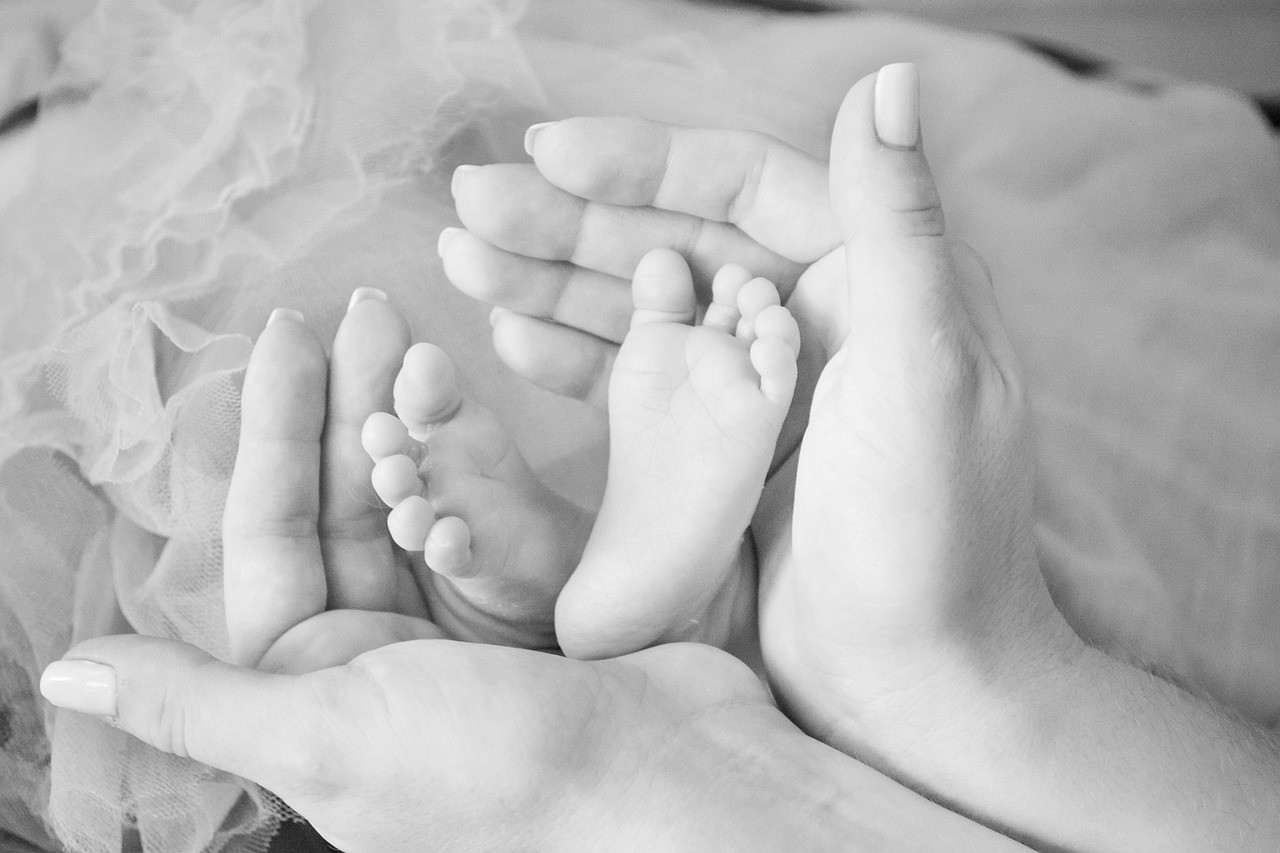
Representative image: DanielaElenaTentis / Pixabay
Haryana launched a Zero Separation model, reported on 4 November 2026, keeping mothers and sick newborns together and adding 19 neonatal ventilators.
What Happened
Haryana's health department has launched a "Zero Separation" approach to newborn care, under which mothers and their babies are kept together, including babies who need special hospital care, according to a report from Panchkula dated Wednesday, 4 November 2026. The statewide effort is being led by Dr Sumita Mishra, Additional Chief Secretary for Health and Family Welfare. The state is also adding 19 advanced neonatal ventilators, machines that help very sick newborns breathe, and is reworking the physical and emotional setting in which critically ill newborns are treated.
Key Facts
- What: a "Zero Separation" model that treats mother and newborn as one unit of care in Haryana's public health system.
- Announced: reported from Panchkula on Wednesday, 4 November 2026.
- Led by: Dr Sumita Mishra, Additional Chief Secretary, Department of Health and Family Welfare, Haryana.
- Equipment: 19 additional advanced neonatal ventilators for critically ill newborns.
- Approach described in reports: joint monitoring of mother and baby and a shared discharge checklist, with a 1 November target for the integrated model.
- Pilot: a Mother Special Newborn Care Unit at Ambala district hospital, where small or preterm babies are placed on their mother's chest within two hours of birth, according to a research team working with the state government.
- National basis: the National Health Mission's guidance on Mother Newborn Care Units aims for "no separation" of mother and baby, including small and sick babies.
Why It Matters
In many hospitals, a baby born too early or too small is taken to a Special Newborn Care Unit (SNCU), a ward for sick newborns, while the mother recovers in another ward. Families often see the baby only at set times. The Zero Separation model changes that arrangement: the mother stays with the baby and becomes part of the care team, feeding the child and holding it skin to skin.
That practice has a name, Kangaroo Mother Care, in which the baby is held against the parent's bare chest for long periods. The National Health Mission notes that it can be practised inside newborn care units. For families, the change is as much emotional as medical. A mother who has to leave her newborn in a separate ward after a difficult birth faces worry and distance at the very start of the bond with her child; a ward that keeps them together turns her from a visitor into a caregiver.
For a publication that sees families as partnerships, the model also has a wider lesson. It moves some newborn care from machines and staff alone to a shared effort that includes the mother and, where policies allow, other family members. The success of the approach will depend on space for mothers to stay, trained nurses, and clear rules on who can act as a substitute caregiver when the mother is unwell.
Peepals calculation: State health officials have said Haryana's infant mortality rate has fallen to 24, matching the national average, according to the Sample Registration System. A rate of 24 deaths per 1,000 live births means about one baby in 42 does not survive its first year (1,000 ÷ 24 ≈ 41.7). Our calculation from the reported figures.
Impact
Short-term: Hospitals in Haryana will need to reorganise newborn wards so that mothers can stay with their babies, and the 19 new ventilators will add capacity for the sickest infants.
Long-term: If the model is applied across the state, more small and sick babies will spend their first days in their mother's arms rather than in a separate ward, which supports breastfeeding and bonding. How well it works will depend on staffing, space and the referral links between newborn units and maternity wards, which reports suggest still need to be documented.
Who is affected: mothers who deliver in Haryana's public hospitals, especially those whose babies are preterm, underweight or sick; families and other caregivers; nurses and doctors in newborn care units.
Key Takeaway
Haryana has begun a "Zero Separation" model, reported on 4 November 2026, that keeps mothers and newborns together even when babies need special care, and is adding 19 neonatal ventilators for critically ill infants.
Questions and Answers
What is Haryana's Zero Separation initiative?
It is a newborn care approach in Haryana's public health system, reported on 4 November 2026, that keeps mothers and babies together and treats them as one unit of care, including babies who need special newborn care.
Who is leading the Zero Separation model in Haryana?
The effort is led by Dr Sumita Mishra, Additional Chief Secretary for Health and Family Welfare, Haryana, according to the report.
What is Kangaroo Mother Care?
It is the practice of holding a newborn skin to skin against the parent's chest for long periods. National Health Mission guidance says it can be practised inside newborn care units.
What else is Haryana adding for sick newborns?
The state is adding 19 advanced neonatal ventilators, machines that help critically ill newborns breathe, and reworking the setting in which such babies are treated.
Disclaimer: Prepared by the Peepals newsroom from publicly available sources with AI assistance. Information is accurate to the best of our knowledge at the time of publication and may change. Images may be representative. Not professional advice. Report an error via our contact page.
By Vikram Joshi, Life Balance CorrespondentCovers Life Balance and more for Peepals Shakti. All stories by Vikram Joshi
Assam maternal sepsis deaths: share falls to 8% from 21%
Canada Goose Q2: revenue up 5.9%, store comparable sales fall 7.5%
Get the day's stories in your inbox
Peepals Weekly: the week decoded, free. One email a week, unsubscribe in one click.
Vikram Joshi is a pen name of the Peepals Global Editorial Team, which researches, fact-checks and publishes every story. The portrait is an illustration.