
Ensono Speak Up 2026: 87% of women in tech report burnout
 By Vikram JoshiLife Balance Correspondent, Peepals Shakti

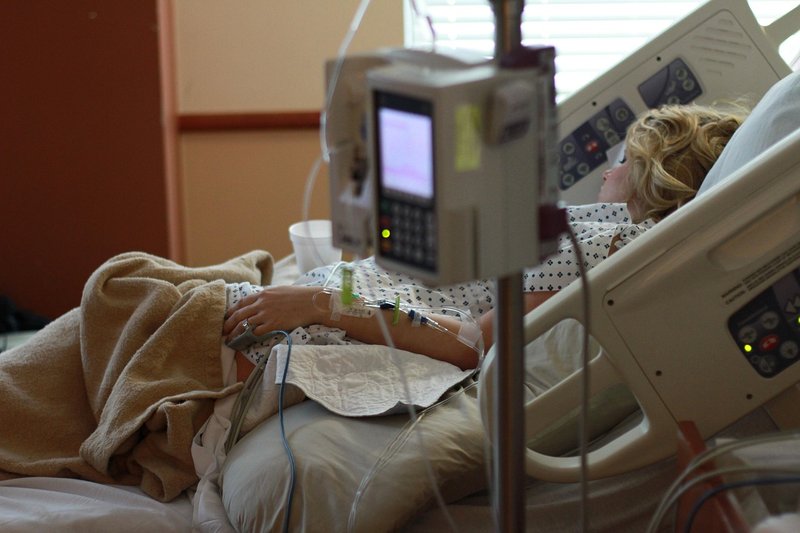
Representative image: Enhialus / Pixabay
Ensono's Speak Up 2026 survey of 1,500 women in tech, released 5 November 2026, finds 87% report burnout; 61% in India cite caregiving as an office challenge.
What Happened
Women working in technology in India are more likely than their peers in the United States and the United Kingdom to say that caregiving makes office attendance hard, according to Speak Up 2026, a survey released on Thursday, 5 November 2026 by Ensono, a technology services company. The survey, the company's sixth annual one, questioned 1,500 full-time, female-identifying technology professionals across the US, the UK and India. It found that 87% of them report at least some level of burnout, and 60% describe themselves as moderately, very or extremely burned out. Among Indian respondents, 61% named balancing caregiving with work as a challenge of being in the office in person, against 46% in the US and 39% in the UK.
Key Facts
- Ensono released its Speak Up 2026 survey on Thursday, 5 November 2026; it covered 1,500 women in technology jobs in the US, the UK and India.
- 87% of respondents reported at least some burnout; 60% called themselves moderately, very or extremely burned out.
- 42% said they are now expected to produce more work in less time because of AI, even though about two-thirds said AI has made their workload more manageable.
- 53% said their organisation requires more office days than a year ago, and 92% agreed that being seen in person matters for career advancement.
- Balancing caregiving with work was the leading challenge overall, named by 49%; in India the figure was 61%, against 46% in the US and 39% in the UK.
- 62% of Indian respondents strongly believe in-person visibility matters for advancement, against 48% in the US and 45% in the UK.
- 83% of all respondents said they want to move into an executive leadership position.
Why It Matters
The survey puts numbers on a familiar tension: work tools are getting faster, but expectations and duties at home have not shrunk. Respondents rated their own skills highly. According to the company, 70% described their generative AI knowledge as advanced or expert, and the share calling themselves experts has doubled since the 2024 survey. Yet four in ten said the time saved by AI has been turned into a demand for more output, not into breathing room.
The return to the office adds a second layer. More than half said their employer now asks for more days on site than a year ago, and almost everyone surveyed believes that being seen in person helps a career. That is where the Indian figures stand out. Indian respondents were the most likely of the three countries to call caregiving a problem in attending the office, and the most likely to believe strongly that face time decides promotions.
Country breakdowns of the report also show Indian respondents reporting the highest AI confidence, the strongest employer support and the greatest leadership ambition of the three groups.
Some limits need stating. The survey was commissioned by a company, not run by a public body, and it describes the women who answered, not the whole technology workforce of any country. It does not give burnout figures country by country, it has no comparison group of men, and it does not show that AI or office mandates cause burnout.
Peepals calculation: In India, 61% of respondents named caregiving as an office-attendance challenge against 46% in the US, a gap of 15 percentage points, so Indian respondents were about 1.3 times as likely to report it (61 ÷ 46 ≈ 1.33); against the UK figure of 39%, the gap is 22 points (61 − 39 = 22). Separately, if 87% report some burnout and 60% report moderate or worse burnout, then about 27% of all respondents described only mild burnout (87 − 60 = 27). Our calculation from the reported figures.
| Measure | India | US | UK |
|---|---|---|---|
| Caregiving named as an in-person challenge | 61% | 46% | 39% |
| Strongly believe in-person visibility matters | 62% | 48% | 45% |
Impact
Short-term: The findings arrive as many technology employers in India and abroad are tightening office attendance rules. Caregiving pressure was the leading challenge across all three countries, which suggests a shared experience rather than an individual one.
Long-term: If faster work through AI keeps turning into higher targets, and promotion keeps depending on being physically present, the women most tied to care at home may find advancement harder to reach, even as 83% say they want executive roles. Ensono's own recommendations to employers are to pair AI productivity gains with realistic performance expectations, flexible workplace policies and time set aside for learning.
Who is affected: Women in technology jobs, especially those in India who combine office work with care for children or parents, and the managers and HR teams who set attendance rules and performance targets.
Key Takeaway
Ensono's Speak Up 2026 survey finds that most women in tech report some burnout, and that Indian respondents, though the most confident and ambitious, feel the pull between caregiving and office presence more sharply than those in the US and UK.
Questions and Answers
What is the Ensono Speak Up 2026 survey on women in tech?
It is the sixth annual survey by Ensono, a technology services company, released on 5 November 2026. It questioned 1,500 full-time, female-identifying technology professionals in the United States, the United Kingdom and India about AI, office attendance, burnout and career goals.
How many women in tech reported burnout in the survey?
87% of respondents said they experience at least some level of burnout, and 60% described themselves as moderately, very or extremely burned out. The report does not break the burnout figure down by country.
How did Indian women in tech answer differently?
Indian respondents were the most likely to name caregiving as a challenge of working in the office (61%, against 46% in the US and 39% in the UK) and the most likely to strongly believe that being seen in person matters for promotion (62%, against 48% and 45%).
Does the survey show that AI causes burnout?
No. It reports that 42% of women feel they must produce more in less time because of AI and that most report some burnout, but it does not establish cause and effect.
Disclaimer: Prepared by the Peepals newsroom from publicly available sources with AI assistance. Information is accurate to the best of our knowledge at the time of publication and may change. Images may be representative. Not professional advice. Report an error via our contact page.
By Vikram Joshi, Life Balance CorrespondentCovers Life Balance and more for Peepals Shakti. All stories by Vikram Joshi
Gowri Sekar becomes Goldman Sachs' first India-based woman partner
Spain single-parent families get national title, large-family benefits from 2027
Get the day's stories in your inbox
Peepals Weekly: the week decoded, free. One email a week, unsubscribe in one click.
Vikram Joshi is a pen name of the Peepals Global Editorial Team, which researches, fact-checks and publishes every story. The portrait is an illustration.