
Russian diesel tankers bound for US change course after New Jersey warning
 By Rohan SalujaGeopolitics Editor, Peepals Global
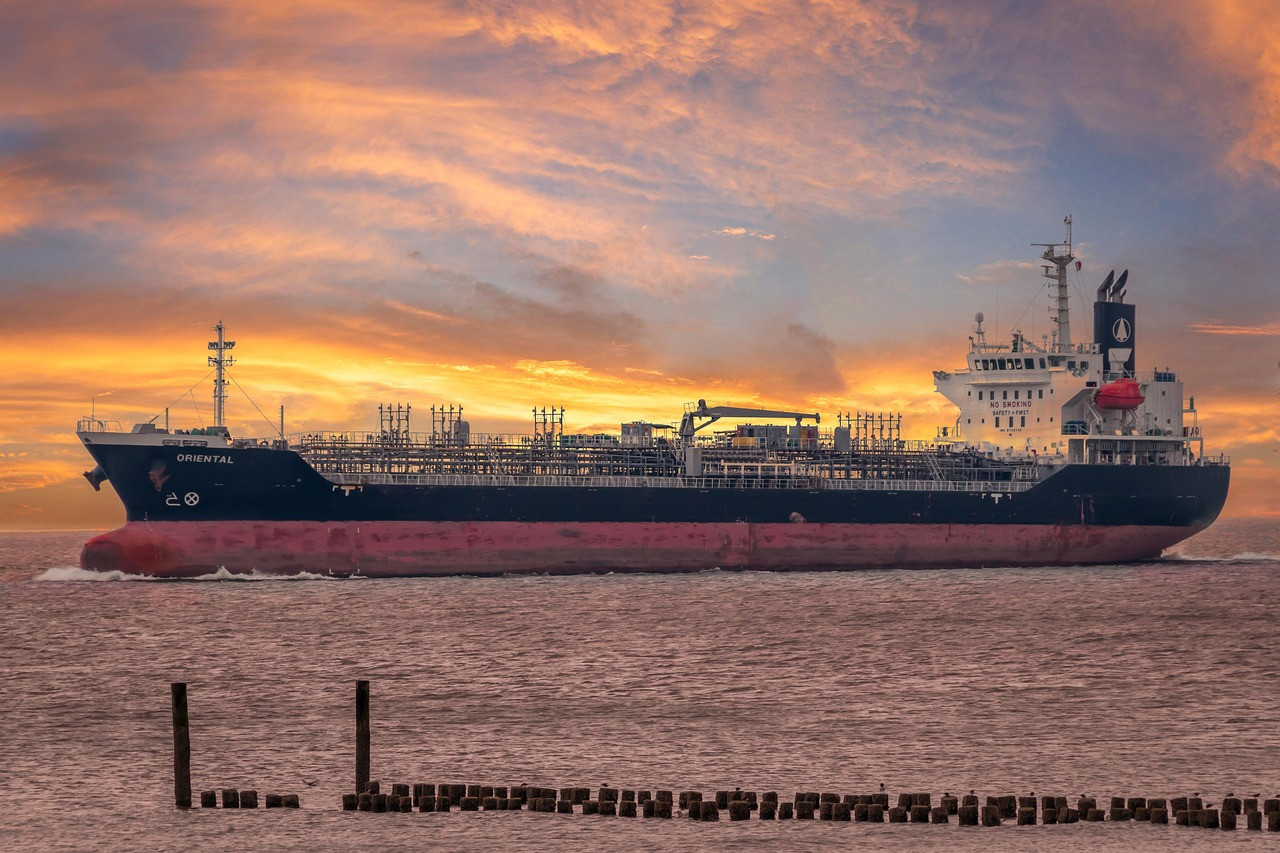
Representative image: analogicus / Pixabay
Two of three tankers carrying Russian diesel to the US have diverted, tracking data show, after New Jersey's governor warned ports on November 2 to turn such cargoes away.
What Happened
Two of three tankers carrying Russian diesel towards the United States have changed course, ship-tracking data showed on Thursday, 5 November 2026, raising doubts about whether President Donald Trump's plan to let Russian diesel into the US market will work in practice. The diversions came after New Jersey Governor Mikie Sherrill, in a letter dated Monday, 2 November, told port and terminal operators in her state to turn away tankers carrying Russian diesel and warned of civil and criminal consequences. The Trump administration says its licence allowing the imports complies with all applicable US law.
Key Facts
- On 9 October 2026, the US Treasury's Office of Foreign Assets Control (OFAC) issued General License 135, allowing the sale, delivery and import of Russian-origin diesel until 7 April 2027.
- President Trump said Russia would immediately supply more than 300,000 tonnes of diesel, with more to follow.
- Governor Sherrill's 2 November letter argued the licence conflicts with a 2022 US law banning Russian oil imports, and pledged legal and regulatory steps to keep such diesel out of New Jersey.
- Tracking data showed the tanker Talisman, which had been scheduled for the US Atlantic coast, near Algeria, and the Leruo heading for Brazil.
- A third tanker, the Agioi Fanendes, could also change course, according to an analyst at the data firm Kpler, who said it was unclear whether US buyers had been found.
- It is not clear whether any of the tankers had planned to unload in New Jersey; no cargo has been discharged there.
- The licence does not lift all US sanctions on Russia; financial restrictions on key Russian state institutions remain.
Why It Matters
The episode shows how a deal between national leaders can stall at the level of states, ports and buyers. The federal government has opened a legal door for Russian diesel, but a governor has threatened legal trouble for anyone who lets it in, and traders appear unwilling to take the risk without clear buyers. That leaves the policy's main aim, easing high US diesel prices, in doubt.
The plan was always small relative to US demand. One report noted that the first shipments would cover about a day and a half of American consumption, and analysts quoted in October doubted the licence alone would bring prices down. Ukraine has criticised the waiver as fresh revenue for Russia's war.
For India, the story matters on two fronts. India buys Russian crude and its refiners export fuels, so any change in how the US treats Russian oil products affects the market Indian refiners sell into. And the dispute shows that Western sanctions policy on Russia is far from settled, which shapes the risks for Indian companies trading in Russian energy.
Peepals timeline: On 9 October 2026, OFAC issued General License 135, permitting Russian-origin diesel imports until 7 April 2027, and President Trump said Russia would supply over 300,000 tonnes. On 2 November, New Jersey Governor Mikie Sherrill wrote to port and terminal operators telling them to turn away tankers carrying Russian diesel. On 3 November, her warning was reported nationally. By 5 November, tracking data showed the Talisman near Algeria and the Leruo heading for Brazil, with analysts saying the third tanker might also divert.
Impact
Short-term: Without confirmed buyers or a port willing to take the cargo, the first Russian diesel shipments may not reach the US at all, leaving the licence largely unused.
Long-term: A clash between a state and the federal government over sanctions could go to court, and will test how far US states can resist federal decisions on foreign trade.
Who is affected: US fuel buyers and consumers facing high diesel prices, traders and shipowners carrying Russian fuel, Russia's export earnings, and fuel exporters such as Indian refiners who compete in the same markets.
What to watch next: Whether the third tanker diverts, and whether any US port accepts a cargo before the licence expires on 7 April 2027.
Key Takeaway
Russian diesel cargoes cleared by Washington are turning away from the US after New Jersey threatened legal action, putting President Trump's import plan in doubt.
Questions and Answers
Why did the Russian diesel tankers bound for the US change course?
The exact reason has not been confirmed. The diversions followed New Jersey Governor Mikie Sherrill's 2 November warning to ports, and an analyst said it was unclear whether US buyers had been lined up.
Is Russian diesel allowed into the United States?
The Treasury's General License 135, issued on 9 October 2026, permits it until 7 April 2027. New Jersey argues it conflicts with a 2022 law banning Russian oil imports.
Where are the tankers going now?
Tracking data showed the Talisman near Algeria and the Leruo heading for Brazil; a third tanker might also change course.
What does this mean for India?
India buys Russian crude and exports refined fuels, so shifts in US policy on Russian oil products affect the markets Indian refiners serve and the sanctions risks Indian firms weigh.
Disclaimer: Prepared by the Peepals newsroom from publicly available sources with AI assistance. Information is accurate to the best of our knowledge at the time of publication and may change. Images may be representative. Not professional advice. Report an error via our contact page.
By Rohan Saluja, Geopolitics EditorCovers Geopolitics and more for Peepals Global. All stories by Rohan Saluja
Pink Floyd Animals 50 reissue out January 22 with unreleased 1977 Oakland show
Vensum Power raises €9 million; L&T co-leads Finnish power converter round
Get the day's stories in your inbox
Peepals Weekly: the week decoded, free. One email a week, unsubscribe in one click.
Rohan Saluja is a pen name of the Peepals Global Editorial Team, which researches, fact-checks and publishes every story. The portrait is an illustration.