
Oleshky ceasefire takes effect as aid mission starts; evacuation row persists
 By Rohan SalujaGeopolitics Editor, Peepals Global
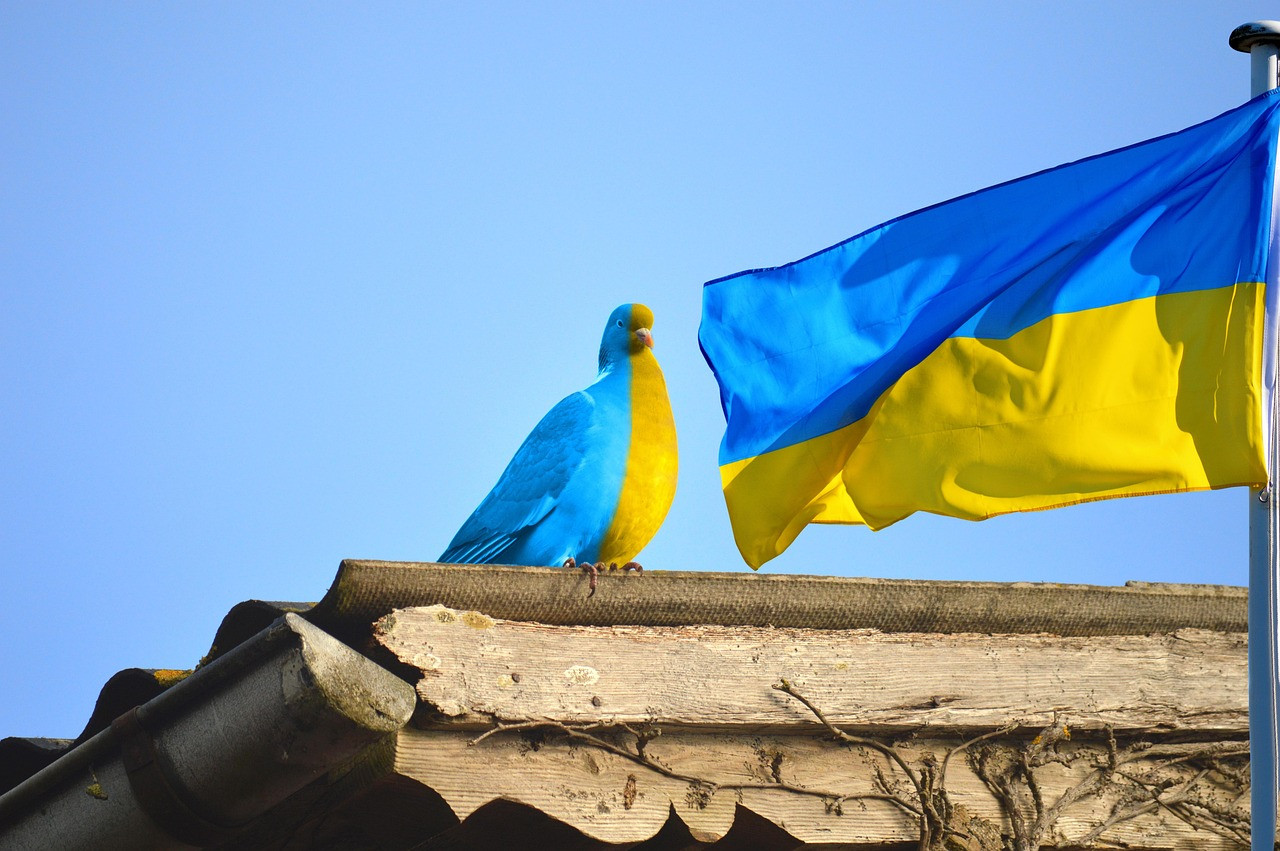
Representative image: neelam279 / Pixabay
A local ceasefire in Russian-occupied Oleshky, Ukraine, took effect on October 27, 2026, for aid deliveries and evacuations; Kyiv says Russia has blocked residents from leaving.
What Happened
A local ceasefire in Oleshky, a Russian-occupied town in Ukraine's Kherson region, came into force early on Tuesday, October 27, 2026, to let humanitarian aid in and prepare civilians to leave. Ukraine's General Staff said its forces paused fire from 3 am Kyiv time, and Russia said its troops would halt fire from 4 am Moscow time, which is the same moment. Ukraine's human rights commissioner, Dmytro Lubinets, said both sides were keeping to the agreed terms, though this could not be independently confirmed. The truce was arranged with the involvement of US First Lady Melania Trump, whom the White House described as the "exclusive mediator".
Key Facts
- Start: early on October 27, 2026; 3 am Kyiv time and 4 am Moscow time refer to the same moment.
- Place: Oleshky, a town in Ukraine's Kherson region, under Russian occupation.
- People still there: an estimated 1,700 to 2,000, mostly elderly, according to reports.
- Scope: Ukraine's General Staff said the pause applies only to the humanitarian operation, including aid deliveries and preparing civilians to leave.
- Duration: Kremlin spokesman Dmitry Peskov said the mission could last several days.
- Dispute: Ukraine accuses Russia of preventing residents from leaving; Moscow denies it, and Russia's human rights commissioner said most people who wanted to go had already left.
- No independent monitoring mechanism has been publicly named by Kyiv, Moscow or Washington.
Why It Matters
Our earlier report covered the agreement, announced late last week, to pause fighting in Oleshky so that aid could reach residents and those who wish could leave, to either Russia or Ukraine. The new development is that the pause has actually begun, and early reports from the Ukrainian side say it is being respected.
A local, time-limited ceasefire is a small step in a long war, but it matters for two reasons. First, for the people of Oleshky. Ukrainian authorities have said supply routes for food and medicine to the town had been blocked, leaving a mostly elderly population in severe difficulty. Whether aid convoys get through, and whether those who want to leave can do so safely, will decide whether the truce achieves anything.
Second, it is a test of trust. Both sides agreeing to stop firing in one place, through a mediator, shows that limited deals are possible even without a broader peace agreement. But the quarrel over evacuations, and the lack of a named independent monitor, show how fragile such arrangements are. If the truce holds and civilians are moved, it could serve as a model for other humanitarian pauses. If it breaks down, it will deepen mistrust. Russia and Ukraine have also spoken of new peace talks next month, and the Oleshky operation is being watched as a sign of how those might go.
For readers in India and elsewhere, the Oleshky pause is a reminder that even in long wars, narrow humanitarian deals can be struck when a trusted go-between is found. How this one ends will shape how much faith both sides place in such arrangements.
| Point | Ukraine's position | Russia's position |
|---|---|---|
| Start time | 3 am Kyiv time, October 27 | 4 am Moscow time, October 27 |
| Compliance | Both sides keeping terms (ombudsman) | Mission may take several days (Kremlin) |
| Evacuations | Russia blocking residents | Most who wished to leave already did |
Impact
Short-term: Aid deliveries and preparations for departures can proceed while the guns are silent, for as long as both sides keep to the pause.
Long-term: Success could encourage more humanitarian pauses and build some confidence before wider talks; failure would harden positions on both sides.
Who is affected: The remaining residents of Oleshky, aid workers, military units on the front line around the town, and governments involved in peace efforts.
Key Takeaway
The Oleshky ceasefire began on October 27, 2026, with Ukraine reporting compliance on both sides, but disagreement over evacuations and the lack of an independent monitor leave its outcome uncertain.
Questions and Answers
When did the Oleshky ceasefire start?
It took effect early on October 27, 2026: 3 am Kyiv time by Ukraine's account and 4 am Moscow time by Russia's, which is the same moment.
Who brokered the Oleshky ceasefire?
It was arranged with the involvement of US First Lady Melania Trump, whom the White House described as the exclusive mediator between Ukrainian and Russian leaders.
How many people are still in Oleshky?
Reports estimate between 1,700 and 2,000 people remain, most of them elderly.
Is the ceasefire holding?
Ukraine's human rights commissioner said both sides were keeping to the terms on the first day, but there is no independent monitoring and the two sides disagree about whether residents are free to leave.
Disclaimer: Prepared by the Peepals newsroom from publicly available sources with AI assistance. Information is accurate to the best of our knowledge at the time of publication and may change. Images may be representative. Not professional advice. Report an error via our contact page.
By Rohan Saluja, Geopolitics EditorCovers Geopolitics and more for Peepals Global. All stories by Rohan Saluja
Israelis vote in Knesset election as Eisenkot challenges Netanyahu's long rule
Tetsuya Chiba, creator of boxing manga Ashita no Joe, dies at 87
Get the day's stories in your inbox
Peepals Weekly: the week decoded, free. One email a week, unsubscribe in one click.
Rohan Saluja is a pen name of the Peepals Global Editorial Team, which researches, fact-checks and publishes every story. The portrait is an illustration.