
Beans and water sell out after UK urges three days' emergency supplies
 By Rohan SalujaGeopolitics Editor, Peepals Global
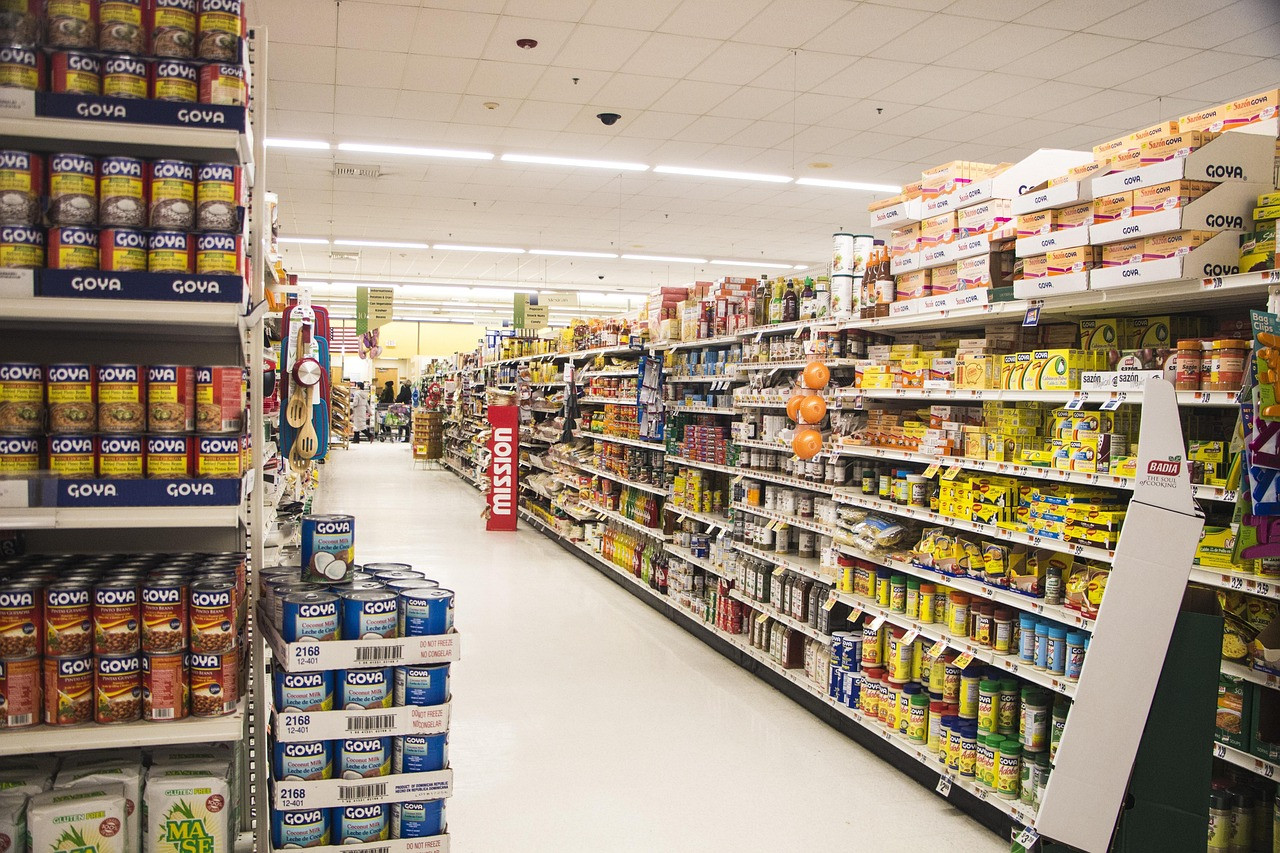
Representative image: sese2018 / Pixabay
UK shops report sharp rises in sales of tinned food, water, torches and radios after the government's Be Ready advice of October 22, 2026, to keep three days' supplies.
What Happened
Retailers in the United Kingdom have reported sharp rises in sales of tinned food, bottled water, torches and radios after the government advised households to be able to look after themselves for three days in an emergency. The advice, part of a campaign called Be Ready, was published on a government website on Thursday, October 22, 2026. Over the following weekend, the frozen food chain Iceland said its sales of tinned products rose by 40%, and the electronics retailer Maplin said torch sales nearly quadrupled in three days. The government has said supplies remain healthy and there is no need for panic buying.
Key Facts
- Advice published: Thursday, October 22, 2026, under the Be Ready campaign.
- Goal: every household able to be self-sufficient for three days in an emergency.
- Water: 3 litres of drinking water per person per day, or 9 litres per person for three days, plus separate water for cooking and washing.
- Suggested kit: non-perishable food that needs no cooking, a torch, a battery or wind-up radio, a power bank, a first aid kit, essential medicines, blankets and some cash.
- Iceland: tinned product sales up 40% over the weekend, with strong bottled water sales.
- Maplin: torch sales nearly quadrupled and radio sales almost doubled in three days.
- Security Minister Dan Jarvis has fronted the advice; reports describe it as the first stage of a three-year campaign.
Why It Matters
The advice marks a shift in how the UK talks to the public about risk. Officials frame the advice as ordinary preparedness for power cuts, floods, storms, telecoms failures or other disruptions, not as a warning of a specific threat. The list itself reflects that: a radio and cash are there in case mobile networks and electronic payments go down, and a torch and power bank for a blackout.
The reaction in the shops shows how sensitive such messages are. The government's careful wording, telling people to build up supplies gradually and starting with what they already have, was designed to avoid the scenes of empty supermarket shelves seen early in the Covid-19 pandemic. Even so, specialist sellers reported surges far larger than the supermarkets; one independent preparedness shop said its sales jumped 650%. "Beans and water sell out" became one of the most searched phrases in the UK, as people looked for whether shortages were real.
Officials have said stocks are healthy. The retailer figures come from the companies themselves and have not been independently checked, and a short spike after a public announcement does not by itself mean shortages.
The campaign is notable because it is aimed at the whole population rather than only at areas with a known hazard. For readers in India, where this week Cyclone Arnab has led coastal districts to shut schools and warn residents, the basic list of water, food that needs no cooking, a torch, a radio and some cash will be familiar.
| Retailer | Reported change after the advice |
|---|---|
| Iceland | Tinned product sales up 40% over the weekend |
| Maplin | Torch sales nearly 4 times higher; radio sales almost doubled in three days |
| Preppers Shop UK | Sales up 650% |
Impact
Short-term: Some shelves for water, tinned food and torches may empty briefly in places as people respond at once, but the government says supply is healthy and shops are restocking.
Long-term: If the three-year campaign works, more households will keep a basic emergency kit, reducing pressure on emergency services during power cuts, storms or other crises. It also sets a template that other governments may watch.
Who is affected: UK households, especially vulnerable people who may need neighbours' help; supermarkets and suppliers; and the many Indian-origin families and students living in the UK, who are covered by the same advice.
Key Takeaway
The UK's Be Ready advice to keep three days of supplies has triggered a rush on tinned food, water and torches, but officials say supplies are healthy and the goal is preparedness, not panic.
Questions and Answers
Why are beans and water selling out in the UK?
Sales rose after the government advised households on October 22, 2026, to keep three days of emergency supplies. Iceland reported tinned product sales up 40% over the weekend, but officials say supplies remain healthy.
How much water does the UK government advise keeping?
Three litres of drinking water per person per day, or 9 litres per person for three days, with extra water kept separately for cooking and washing.
Is the UK warning of a specific attack or disaster?
No specific threat has been named. The advice covers general emergencies such as power cuts, floods, storms and failures of telecoms or payment systems.
What else is on the recommended emergency list?
Non-perishable food that needs no cooking, a torch, a battery or wind-up radio, a power bank, a first aid kit, essential medicines, blankets and some cash.
Disclaimer: Prepared by the Peepals newsroom from publicly available sources with AI assistance. Information is accurate to the best of our knowledge at the time of publication and may change. Images may be representative. Not professional advice. Report an error via our contact page.
By Rohan Saluja, Geopolitics EditorCovers Geopolitics and more for Peepals Global. All stories by Rohan Saluja
Coast raises $35 million for company cards built for tradespeople
Ahmedabad to host 2029 World Weightlifting Championships; Moscow gets 2030
Get the day's stories in your inbox
Peepals Weekly: the week decoded, free. One email a week, unsubscribe in one click.
Rohan Saluja is a pen name of the Peepals Global Editorial Team, which researches, fact-checks and publishes every story. The portrait is an illustration.