
Sri Lanka to amend 1961 Ayurveda Act to tighten rules, ease exports

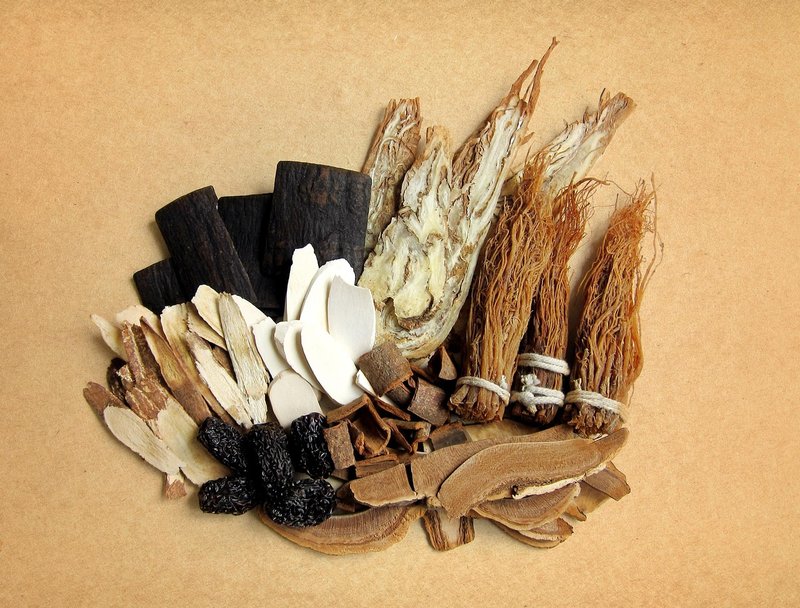
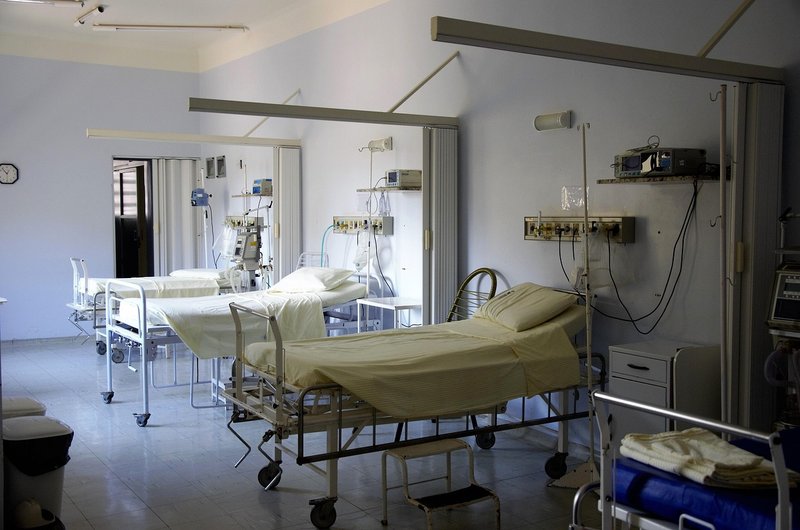
Representative image: atulcodex / Pixabay
Sri Lanka's Cabinet has approved drafting amendments to the Ayurveda Act No. 31 of 1961 to strengthen regulation and ease export licences, reported October 20, 2026.
What Happened
Sri Lanka's Cabinet has approved a proposal to amend the country's Ayurveda Act No. 31 of 1961, the law that governs its indigenous medicine sector, according to reports dated October 20, 2026. The Cabinet accepted a proposal from the Minister of Health and Mass Media and instructed the Legal Draftsman to prepare the amending legislation. The government says the changes are meant to strengthen regulation of the sector and make it easier to issue licences for exporting indigenous medicinal products.
Key Facts
- Decision: Cabinet approval to draft amendments to the Ayurveda Act No. 31 of 1961, reported on October 20, 2026.
- Proposed by: the Minister of Health and Mass Media; the Legal Draftsman has been asked to prepare the bill.
- Systems covered by the Act: Ayurveda, Siddha, Unani and Deshiya Chikitsa, Sri Lanka's own traditional medicine.
- Stated aims: stronger regulatory mechanisms and easier licensing of exports of indigenous medicinal products.
- History: the 1961 Act has been amended before, most recently by the Ayurveda (Amendment) Act, No. 19 of 2023, certified on October 9, 2023; the government says further revisions are needed.
- No amended text has been published yet; the bill still has to be drafted and passed by Parliament.
Why It Matters
Sri Lanka's traditional medicine overlaps closely with India's: Ayurveda, Siddha and Unani, three of the systems India groups under Ayush, sit in Sri Lanka's law alongside its own Deshiya Chikitsa. A change in how Sri Lanka regulates these systems is therefore of direct interest to Indian Ayush institutions, manufacturers and students.
The stated focus on exports stands out. Traditional medicine products face strict and varied rules abroad, and several countries have tightened checks on herbal products in recent months. A country that wants to sell indigenous medicines overseas needs a clear, credible licensing system at home, with quality standards and records that foreign regulators will accept. Sri Lanka's government is signalling that its 65-year-old law, even after earlier amendments, is not yet doing that job.
Stronger regulation is also a safety matter for patients at home. Clear rules on who may practise, how products are registered and how quality is checked protect the public and give practitioners a firmer legal footing. Sri Lanka has worked on this before: a Cabinet decision in 2023 also sought a separate Indigenous Medical Council law to move the council that registers practitioners out of the 1961 Act.
For India, the move fits a wider pattern in the region of countries writing traditional medicine into modern regulation, a direction India has pursued through the Ministry of Ayush and its work with the World Health Organization. As Sri Lanka's draft takes shape, its export licensing rules will be of interest to Indian Ayush exporters and regulators working on similar questions.
| Item | Detail |
|---|---|
| Law being amended | Ayurveda Act No. 31 of 1961 |
| Systems covered | Ayurveda, Siddha, Unani, Deshiya Chikitsa |
| Most recent amendment | Ayurveda (Amendment) Act, No. 19 of 2023 |
| Next step | Legal Draftsman prepares the bill |
Impact
Short-term: The Legal Draftsman will prepare the amending bill. Until the text is published and debated, the details of the new rules, including how export licences will work, remain unknown.
Long-term: If passed, the amendments could give Sri Lanka a clearer licensing system for indigenous medicines, help its producers reach export markets and tighten oversight of the sector at home.
Who is affected: Sri Lankan practitioners of Ayurveda, Siddha, Unani and Deshiya Chikitsa; manufacturers and exporters of indigenous medicinal products; patients who use these systems; and Indian Ayush businesses and institutions that work in the same systems of medicine.
Key Takeaway
Sri Lanka's Cabinet has ordered amendments to its 1961 Ayurveda Act to strengthen regulation of indigenous medicine and ease export licensing, but the bill has yet to be drafted and passed.
Questions and Answers
What has Sri Lanka decided about its Ayurveda Act?
Sri Lanka's Cabinet approved a proposal from the Minister of Health and Mass Media to amend the Ayurveda Act No. 31 of 1961, and instructed the Legal Draftsman to prepare the legislation, according to reports dated October 20, 2026.
Which systems of medicine does Sri Lanka's Ayurveda Act cover?
The Act covers Ayurveda, Siddha, Unani and Deshiya Chikitsa, Sri Lanka's own traditional system of medicine.
Why is Sri Lanka amending the Ayurveda Act?
The government says the amendments are meant to strengthen regulatory mechanisms for the indigenous medicine sector and to make it easier to issue licences for exporting indigenous medicinal products. It says earlier amendments, including one in 2023, did not cover all the changes needed.
When will the new rules take effect?
No date has been set. The Legal Draftsman must first prepare the bill, which then has to be passed by Sri Lanka's Parliament before it becomes law.
Disclaimer: Prepared by the Peepals newsroom from publicly available sources with AI assistance. Information is accurate to the best of our knowledge at the time of publication and may change. Images may be representative. Not professional advice. Report an error via our contact page.
Sourced and fact-checked by the Peepals Global Editorial Team
Reported, fact-checked and published by the Peepals Global Editorial Team.