
Tulsi Vivah 2026 on November 21: why some families mark it early
 By Devansh TiwariKnowledge Systems Writer, Peepals Sanskriti
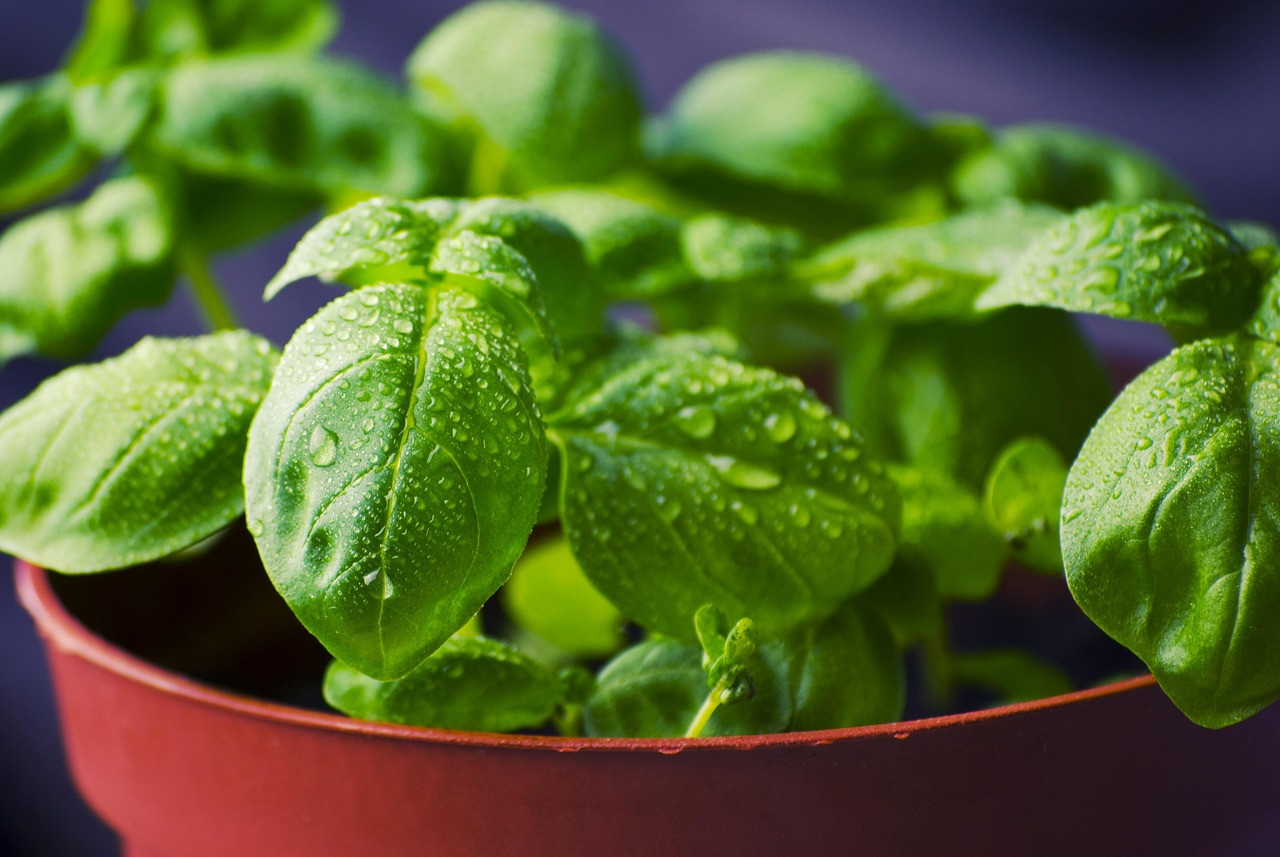
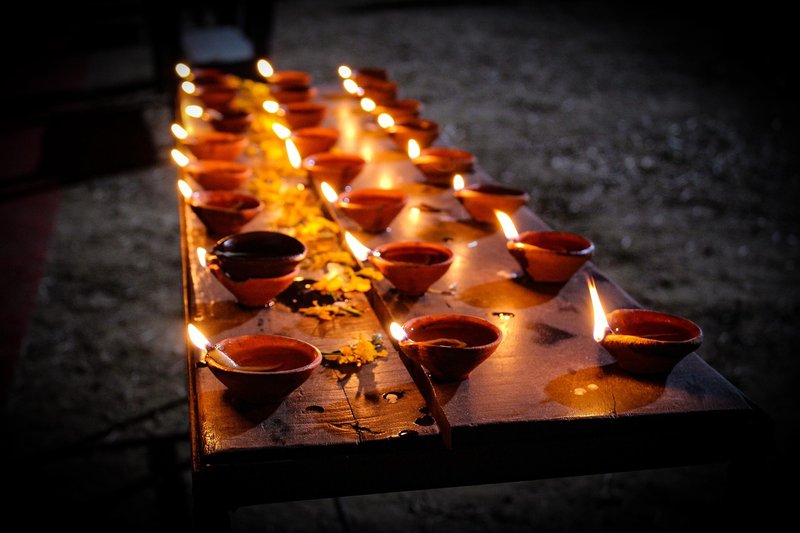
Representative image: tookapic / Pixabay
Panchangs place Tulsi Vivah on Saturday, November 21, 2026, on Kartik Shukla Dwadashi; families following the Ekadashi custom may observe it a day earlier.
What Happened
Tulsi Vivah, the ceremonial wedding of the tulsi (holy basil) plant to Lord Vishnu, falls on Saturday, November 21, 2026, according to the major published panchangs (Hindu almanacs). Their calculations place the Kartik Shukla Dwadashi tithi, the twelfth lunar day of the bright half of the month of Kartik, from about 6:31 to 6:32 am on November 21 to about 4:56 to 4:57 am on November 22, with the evening Pradosh Kaal puja window for New Delhi at roughly 5:25 pm to 7:49 pm. Because some families perform the ritual a day earlier, on Ekadashi, the date can differ between households.
Key Facts
- Date: Saturday, November 21, 2026, on Kartik Shukla Dwadashi, according to the main panchang websites.
- Dwadashi tithi: begins about 6:31 to 6:32 am on November 21 and ends about 4:56 to 4:57 am on November 22; one site gives 6:56 am to 4:47 am.
- Evening puja window (Pradosh Kaal, New Delhi): about 5:25 pm to 7:49 pm; it shifts with local sunset.
- Reference point: some calculations use Ujjain time and others New Delhi or general Indian Standard Time, which explains differences of a few minutes.
- Alternative days: according to tradition, the ceremony may be held on Prabodhini (Dev Uthani) Ekadashi, on Dwadashi, or on any day up to Kartik Purnima.
- The rite: the tulsi plant is decorated as a bride and married to Vishnu in the form of the Shaligram stone or an image of Krishna.
Why It Matters
Tulsi Vivah is a widely observed household ritual of the Hindu calendar, and its date is a regular source of confusion. The confusion comes from how the Hindu calendar works. A tithi is a lunar day, defined by the angle between the sun and the moon, and it does not line up with the 24-hour solar day. A tithi can start in the morning of one day and end before dawn the next, as Dwadashi does in 2026. Calendar-makers then apply rules about which tithi is "present at sunrise" or at the time of the main ritual to decide the observance day, and different traditions follow different rules.
Tulsi Vivah adds a second layer, because the scriptural and regional traditions do not agree on the day itself. Some communities hold it on Prabodhini Ekadashi, the day on which, according to tradition, Vishnu wakes from his four-month sleep, ending the period called Chaturmas. Others hold it on the following Dwadashi, and the custom allows it to be performed up to Kartik Purnima, the full moon. In 2026 Dev Uthani Ekadashi falls on November 20 in many calendars, so families who follow the Ekadashi custom may perform the wedding a day before those who follow Dwadashi.
The ritual's meaning comes from the Puranic story of Vrinda, a devoted wife whose curse, according to the legend, turned Vishnu into the Shaligram stone, and who was later honoured in the form of the tulsi plant. The wedding of the two is therefore performed as a full marriage ceremony in miniature, with a mandap, songs and offerings. These are matters of belief and tradition, and the story has several regional versions.
Tradition also treats Tulsi Vivah, which comes at the close of Chaturmas, as the opening of the Hindu wedding season. For that reason the date is watched not only by devotees but also by families planning marriages in late November and December.
| Observance | 2026 date | Basis |
|---|---|---|
| Prabodhini (Dev Uthani) Ekadashi | Friday, November 20 (many calendars) | Ekadashi at sunrise |
| Tulsi Vivah | Saturday, November 21 | Kartik Shukla Dwadashi |
| Kartik Purnima | Later in the same fortnight | Last day the custom allows for the rite |
Impact
Short-term: Households planning Tulsi Vivah should check whether their family follows the Ekadashi or the Dwadashi custom, and then use a panchang calculated for their own city, since sunrise, sunset and the Pradosh Kaal window vary across India.
Long-term: The repeated confusion over festival dates shows why calendar literacy matters. Understanding tithis, sunrise rules and local time helps families read panchangs with confidence instead of relying on conflicting messages shared online.
Who is affected: Hindu households, temple priests and pandits who conduct the ceremony, families planning weddings that follow the start of the wedding season, and sellers of tulsi plants, puja items and wedding goods.
Key Takeaway
According to the major panchangs, Tulsi Vivah falls on Saturday, November 21, 2026, on Kartik Shukla Dwadashi, though families who follow the Ekadashi custom may observe it a day earlier.
Questions and Answers
When is Tulsi Vivah in 2026?
The main panchangs give Saturday, November 21, 2026, when the Kartik Shukla Dwadashi tithi runs from about 6:31 am that day to about 4:57 am on November 22.
What is the best time for Tulsi Vivah puja in 2026?
For New Delhi, panchangs give the evening Pradosh Kaal of about 5:25 pm to 7:49 pm on November 21. The window moves with local sunset, so check a panchang for your city.
Why do some families perform Tulsi Vivah on Ekadashi?
Traditions differ. Some communities link the wedding to Prabodhini Ekadashi, when according to tradition Vishnu wakes from his four-month sleep, while others hold it on Dwadashi. The custom allows it any day up to Kartik Purnima.
What happens in Tulsi Vivah?
The tulsi plant is decorated as a bride and ceremonially married to Vishnu, represented by the Shaligram stone or an image of Krishna, with the steps of a Hindu wedding.
Disclaimer: Prepared by the Peepals newsroom from publicly available sources with AI assistance. Information is accurate to the best of our knowledge at the time of publication and may change. Images may be representative. Not professional advice. Report an error via our contact page.
By Devansh Tiwari, Knowledge Systems WriterCovers Knowledge Systems and more for Peepals Sanskriti. All stories by Devansh Tiwari
Get the day's stories in your inbox
Peepals Weekly: the week decoded, free. One email a week, unsubscribe in one click.
Devansh Tiwari is a pen name of the Peepals Global Editorial Team, which researches, fact-checks and publishes every story. The portrait is an illustration.