
Sringeri seers launch uniform ritual code, eight-year sanskara course
 By Devansh TiwariKnowledge Systems Writer, Peepals Sanskriti
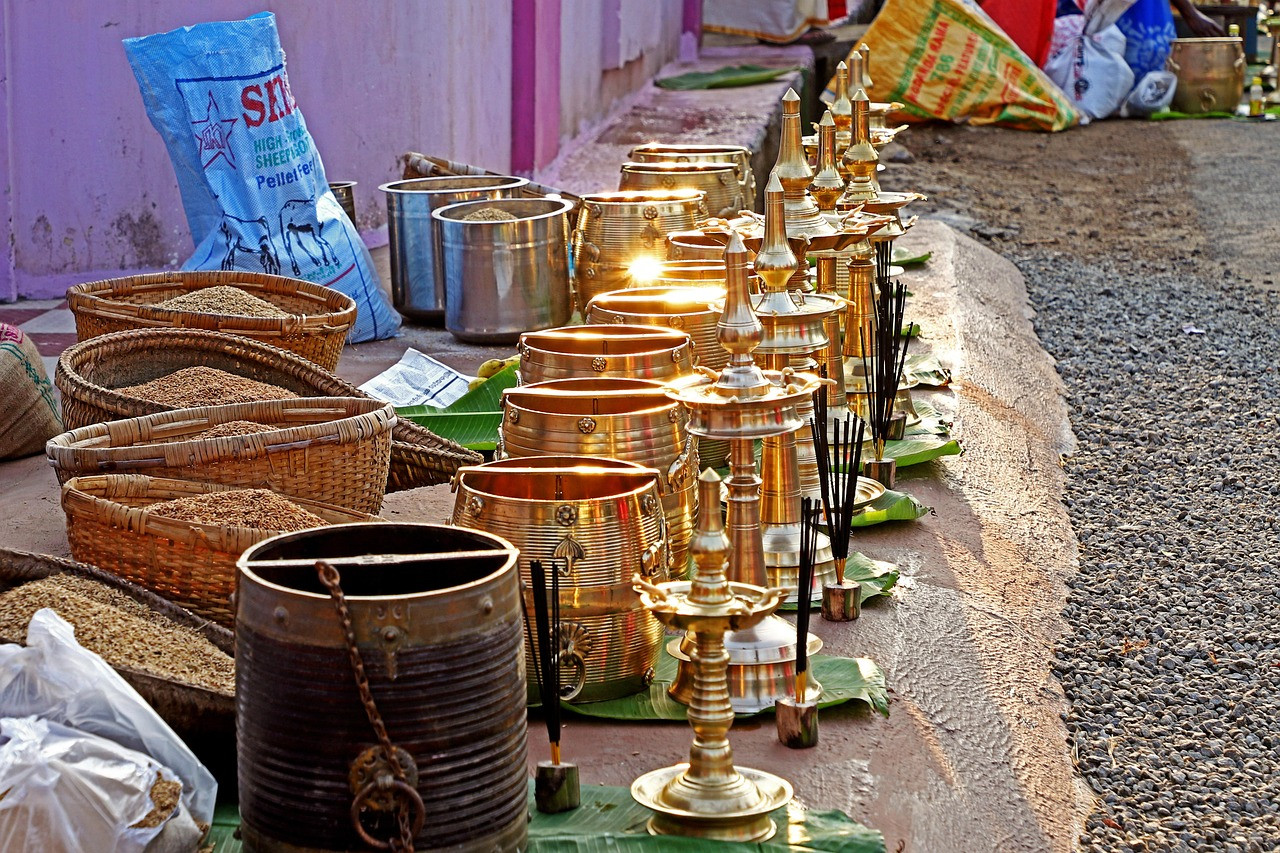
Representative image: Ansung007 / Pixabay
Seers at Sringeri on October 24, 2026 launched a Uniform Ritual Code and an eight-year sanskara education course for children above six.
What Happened
Two programmes meant to bring a common framework to Hindu household rites and to the religious education of children were launched at Sringeri in Karnataka on Saturday, October 24, 2026. Called the Uniform Ritual Code and the Uniform General Sanskara Shikshana, they were released at the Sringeri campus of the Central Sanskrit University, known as the Rajiv Gandhi Campus. The event was organised by the Bharatiya Santa Maha Parishat, a body of religious leaders, together with the Sringeri Sharada Mutt, and the Sanskara Shikshana is planned as an eight-year course for children above the age of six.
Key Facts
- Launch date: Saturday, October 24, 2026, at Sringeri, Karnataka.
- Venue: the Rajiv Gandhi Campus of the Central Sanskrit University; one report places it in the campus's Sri Bharati Tirtha Shastra Samutkarsha Kendra.
- Organisers: the Bharatiya Santa Maha Parishat, with the Sringeri Sharada Mutt.
- Two initiatives: a Uniform Ritual Code and a Uniform General Sanskara Shikshana.
- The education programme is planned as eight years of study for children older than six.
- Its stated content combines spiritual, religious, historical, literary and scientific knowledge.
- Speakers included Vidhushekhara Bharati Swamiji of the Sringeri Sharada Peetham and Swayamprakasha Sachchidananda Saraswati Swamiji of the Hariharapura Mutt.
- The full text of the ritual code and the course syllabus had not been made public in the reports of the launch.
Why It Matters
The word sanskara has two common meanings in Indian tradition. It names the rites that mark stages of a person's life, from naming and first learning to marriage and the last rites, and it also means the values and habits a family passes on. The two initiatives launched at Sringeri touch both senses: one sets out a common pattern for rites, and the other is a course of value-based learning for children.
India's Hindu traditions have never followed one fixed manual. Rites differ by region, language, community and the Vedic branch a family follows, and many households rely on a local priest's practice rather than a written code. Reports of the launch noted that the effort to standardise practice sits against this diversity, a point the Sringeri pontiff himself raised. In his address, Vidhushekhara Bharati Swamiji described India as a land of many languages, communities, customs, styles of dress, foods and cultures, and presented that variety as part of one shared heritage. He urged families to pass Sanatana values on to the next generation.
The Hariharapura seer explained the education programme. According to his account, the Sanskara Shikshana would give children above six eight years of learning that brings together spiritual, religious, historical, literary and scientific knowledge, with the aim of building familiarity with Indian culture and Sanatana values and strengthening unity and social harmony.
The setting is significant for the study of traditional learning. The Sringeri campus began as a Kendriya Sanskrit Vidyapeetha set up by the Rashtriya Sanskrit Sansthan in 1992, according to the university, with its foundation stone laid by Bharati Teertha Mahaswamiji. It teaches the classical shastras, among them Vyakarana (grammar), Jyotisha (astronomy and calendar science), Mimamsa (the study of Vedic ritual and its interpretation), Nyaya (logic) and Vedanta, alongside modern subjects such as Kannada, English, history and computer science, and offers doctoral research in Veda and Jyotisha.
| Initiative | What it covers | Who it is for |
|---|---|---|
| Uniform Ritual Code | A common pattern for Hindu rites and practices | Families and priests |
| Uniform General Sanskara Shikshana | Eight years of value-based study | Children above six |
Impact
Short-term: Families, priests and teachers will be looking for the published texts. Until the code and the syllabus are released, it is not known which rites the code covers, how far it departs from regional practice, or where and in what language the classes will be held.
Long-term: If the course is taken up by mutts, schools or study centres, it could become a structured route for children to learn about rites and traditional knowledge outside the school curriculum. How widely a voluntary code is followed will depend on acceptance by communities whose practices differ.
Who is affected: Hindu families who follow the Sringeri tradition or look to the participating mutts, priests who conduct household rites, and parents of children above six who may enrol in the programme.
Key Takeaway
Seers at Sringeri on October 24, 2026 launched a common ritual code and an eight-year sanskara course for children above six, but the texts that will show what both contain have not yet been published.
Questions and Answers
What was launched at Sringeri on October 24, 2026?
Two initiatives: a Uniform Ritual Code, meant to bring a common pattern to Hindu rites, and the Uniform General Sanskara Shikshana, an eight-year programme of value-based education for children above six. They were launched at the Sringeri campus of the Central Sanskrit University.
Who organised the Uniform Ritual Code and Sanskara Shikshana launch?
The Bharatiya Santa Maha Parishat, a body of religious leaders, organised it together with the Sringeri Sharada Mutt. The Sringeri pontiff, Vidhushekhara Bharati Swamiji, and Swayamprakasha Sachchidananda Saraswati Swamiji of the Hariharapura Mutt spoke at the event.
What will children study in the Sanskara Shikshana programme?
According to the organisers, the eight-year course will combine spiritual, religious, historical, literary and scientific knowledge, with the stated aim of familiarising children with Indian culture and Sanatana values. A detailed syllabus has not been published yet.
Is the ritual code binding on Hindu families?
The reports of the launch do not describe it as binding; it was released by religious bodies, not by any government. Its full text had not been made public, so which rites it covers and how it treats regional practice are not yet known.
Disclaimer: Prepared by the Peepals newsroom from publicly available sources with AI assistance. Information is accurate to the best of our knowledge at the time of publication and may change. Images may be representative. Not professional advice. Report an error via our contact page.
By Devansh Tiwari, Knowledge Systems WriterCovers Knowledge Systems and more for Peepals Sanskriti. All stories by Devansh Tiwari
Gujarati New Year 2026 on November 10: why Samvat 2083 starts twice
52nd All India Oriental Conference opens in Haridwar on October 29
Get the day's stories in your inbox
Peepals Weekly: the week decoded, free. One email a week, unsubscribe in one click.
Devansh Tiwari is a pen name of the Peepals Global Editorial Team, which researches, fact-checks and publishes every story. The portrait is an illustration.