
52nd All India Oriental Conference opens in Haridwar on October 29
 By Devansh TiwariKnowledge Systems Writer, Peepals Sanskriti
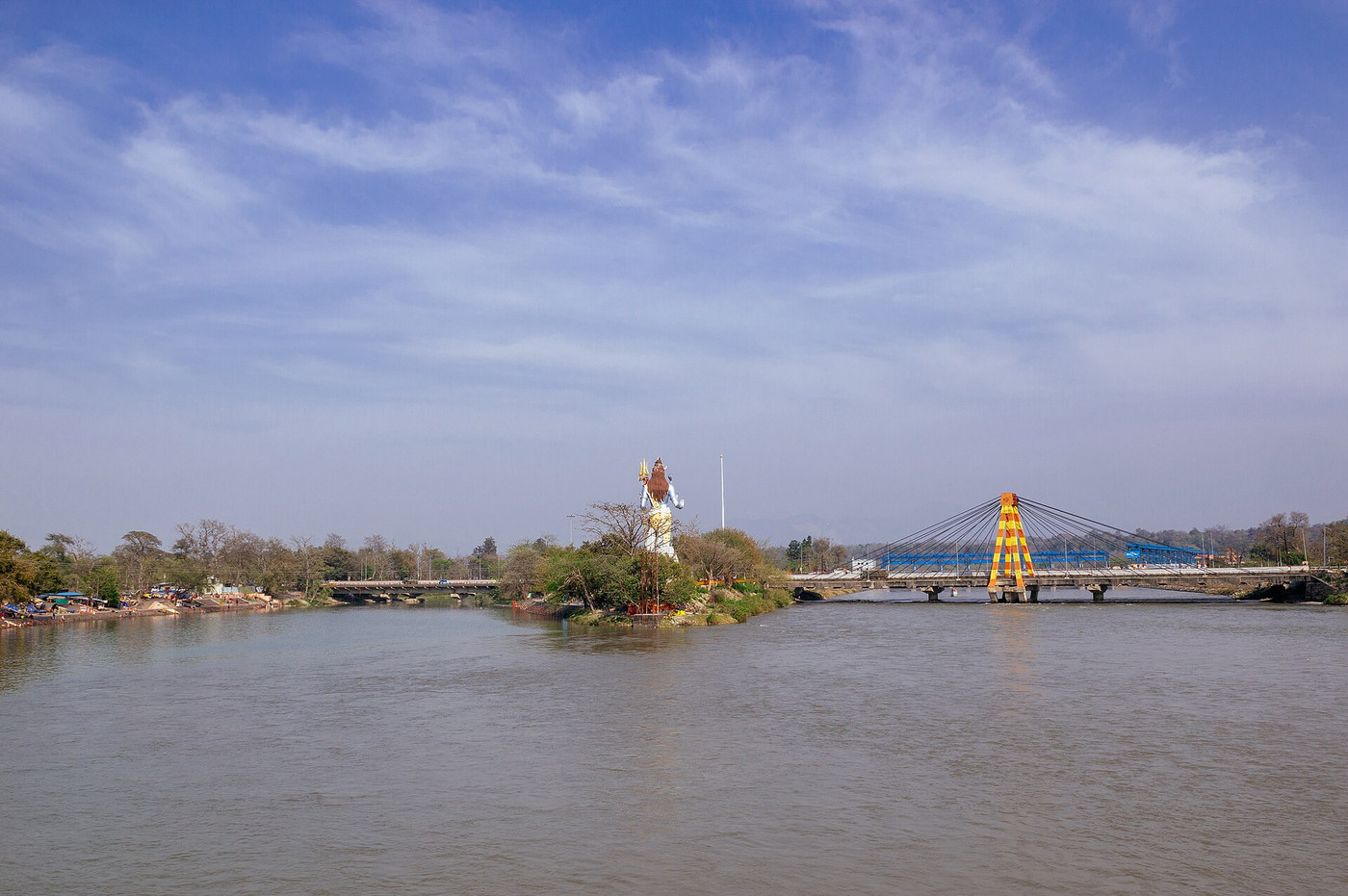
File photo: Subhrajyoti07 (CC BY-SA 4.0), via Wikimedia Commons
The 52nd All India Oriental Conference meets at the University of Patanjali, Haridwar, from October 29 to 31, 2026, on Sanskrit and Indian knowledge systems.
What Happened
The 52nd All India Oriental Conference, one of India's oldest gatherings of scholars of Sanskrit and classical Indian learning, opens at the University of Patanjali in Haridwar, Uttarakhand, on Thursday, October 29, 2026, and runs until Saturday, October 31, according to the conference's official website. Its theme is "Preserving Heritage, Inspiring the Future". Swami Ramdev and Acharya Balkrishna of the university have reviewed the final preparations, the organisers said. Scholars, teachers, researchers and students from India and abroad are expected; nearly 1,000 students had registered by the time registration closed.
Key Facts
- Event: the 52nd session of the All India Oriental Conference (AIOC).
- Dates: October 29 to 31, 2026, as listed on the official conference website. One report gave October 31 as the opening day; the organisers' site lists all three days.
- Venue: University of Patanjali, Haridwar.
- Theme: "Preserving Heritage, Inspiring the Future".
- Subjects: Sanskrit, Indian philosophy, religion, Yoga, Ayurveda, history, archaeology, linguistics, manuscript studies, Indian Knowledge Systems, literature, art and education.
- Papers could be presented in Sanskrit, Hindi or English and went through double-blind peer review; the deadline for papers was September 30 and for delegate fees October 10.
- A "Sanatan Shastra Vimarsh" on October 30 will bring vice-chancellors and educationists together to discuss Sanskrit and how India's knowledge traditions can fit into modern education.
- The programme also includes a book fair, an exhibition on Indian culture and folk food, poetry sessions, classical music, dance and folk performances.
Why It Matters
"Oriental studies" is the older academic name for the study of Asian languages, texts and cultures. In India, the All India Oriental Conference has long been a leading meeting place for scholars who work on Sanskrit, Pali, Prakrit and other classical languages, on the Vedas and the schools of Indian philosophy, on inscriptions and manuscripts, and on ancient history. Its sessions are organised by subject, so a single conference gathers specialists who rarely sit in the same room: a grammarian, an epigraphist who reads old inscriptions, an archaeologist and a historian of science.
This year's session comes as the Indian Knowledge Systems (IKS) idea moves into mainstream education. The National Education Policy 2020 asks universities to include India's traditional knowledge in their courses, and many institutions are now designing such courses. A conference of this size is one place where the research that should support those courses is presented and argued over. The planned discussion among vice-chancellors on October 30, about how Sanskrit and traditional knowledge can be taught inside the modern system, speaks directly to that question.
Peer review matters here. Double-blind review, in which neither the author nor the reviewer knows the other's identity, is the standard way academic work is checked. Its use for papers at this session is a sign that the organisers want contributions judged on evidence and method. Readers should keep the line between the two clear: a paper that studies what an ancient text says is scholarship about a tradition, not proof that the text's claims are scientifically correct.
The host, the University of Patanjali, is linked to the Patanjali group led by Swami Ramdev and Acharya Balkrishna, who reviewed the preparations. Hosting the session of a national academic body gives the university a visible place in classical studies, and the papers and discussions it hosts will be judged, like those of any session, on their scholarly quality.
Impact
Short-term: Haridwar will host scholars from India and abroad and nearly 1,000 registered students over three days. Research papers, book launches and the vice-chancellors' discussion will be the main public outputs.
Long-term: Ideas and papers presented at the conference can feed into university syllabuses for Sanskrit and Indian Knowledge Systems, into manuscript research and into future collaborations between universities.
Who is affected: Students and teachers of Sanskrit, philosophy, history and archaeology; universities building IKS courses; researchers working with manuscripts; and readers interested in India's classical learning.
Key Takeaway
The 52nd All India Oriental Conference meets in Haridwar from October 29 to 31, 2026, bringing classical Indian scholarship and the push to teach Indian Knowledge Systems onto one stage.
Questions and Answers
When and where is the 52nd All India Oriental Conference?
It is being held at the University of Patanjali in Haridwar, Uttarakhand, from October 29 to 31, 2026, according to the official conference website.
What subjects does the conference cover?
Sanskrit, Indian philosophy, religion, Yoga, Ayurveda, history, archaeology, linguistics, manuscript studies, Indian Knowledge Systems, literature, art and education, with papers in Sanskrit, Hindi or English.
What is the Sanatan Shastra Vimarsh?
It is a session on October 30 at which university vice-chancellors and educationists will discuss Sanskrit and how India's traditional knowledge can be included in modern education.
Can the public attend?
The academic sessions are for registered delegates, and registration closed on October 10. Anyone planning a visit should check the official conference website for access to the book fair, exhibition and cultural events.
Disclaimer: Prepared by the Peepals newsroom from publicly available sources with AI assistance. Information is accurate to the best of our knowledge at the time of publication and may change. Images may be representative. Not professional advice. Report an error via our contact page.
By Devansh Tiwari, Knowledge Systems WriterCovers Knowledge Systems and more for Peepals Sanskriti. All stories by Devansh Tiwari
Sringeri seers launch uniform ritual code, eight-year sanskara course
India, France's national library sign pact to digitise Indic manuscripts in Paris
Get the day's stories in your inbox
Peepals Weekly: the week decoded, free. One email a week, unsubscribe in one click.
Devansh Tiwari is a pen name of the Peepals Global Editorial Team, which researches, fact-checks and publishes every story. The portrait is an illustration.