
Ghana recalls Franko Herbal Mixture after tests find hidden diazepam
 By Ananya RaoAyush & Wellness Correspondent, Peepals Sanskriti
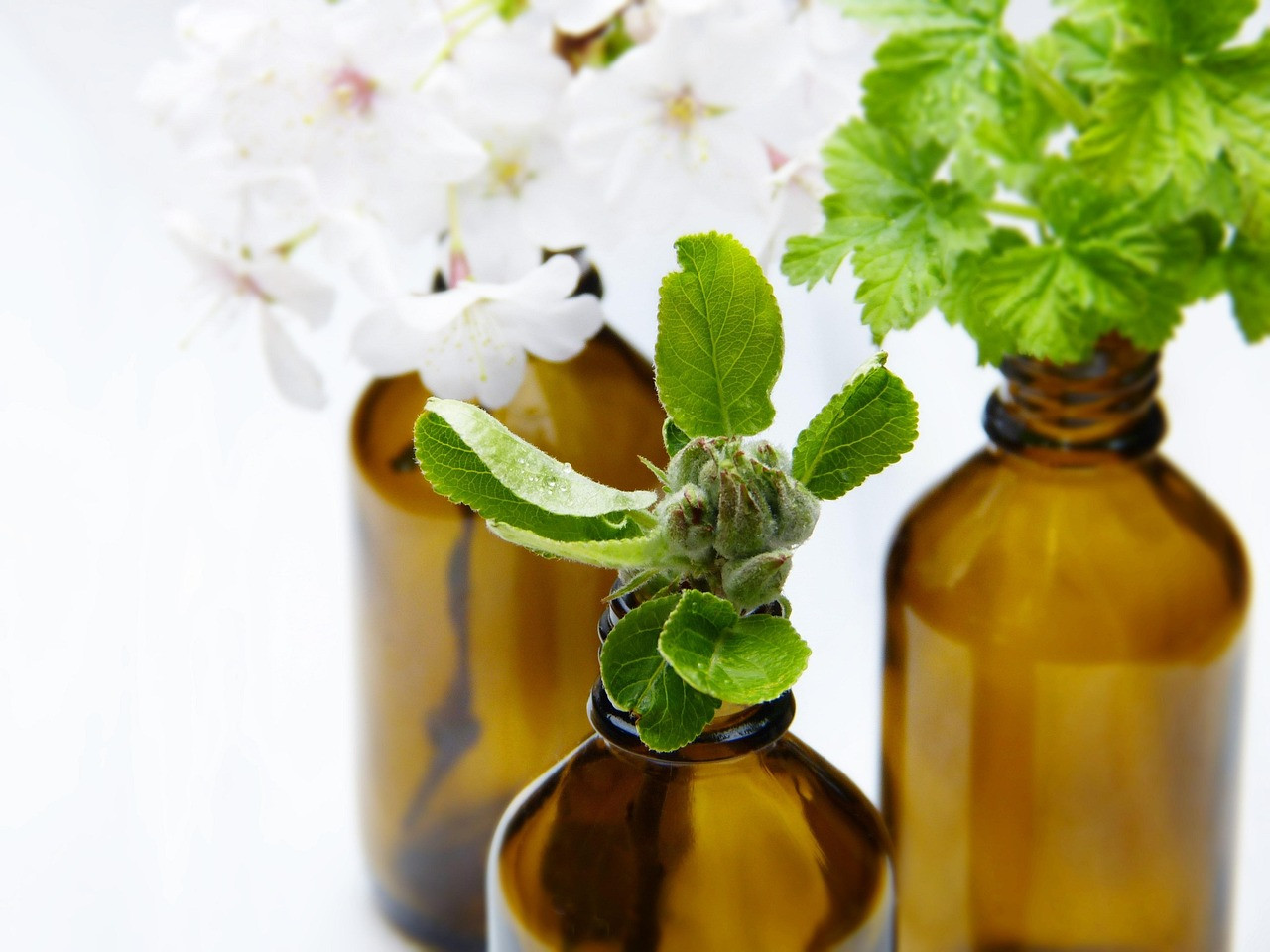
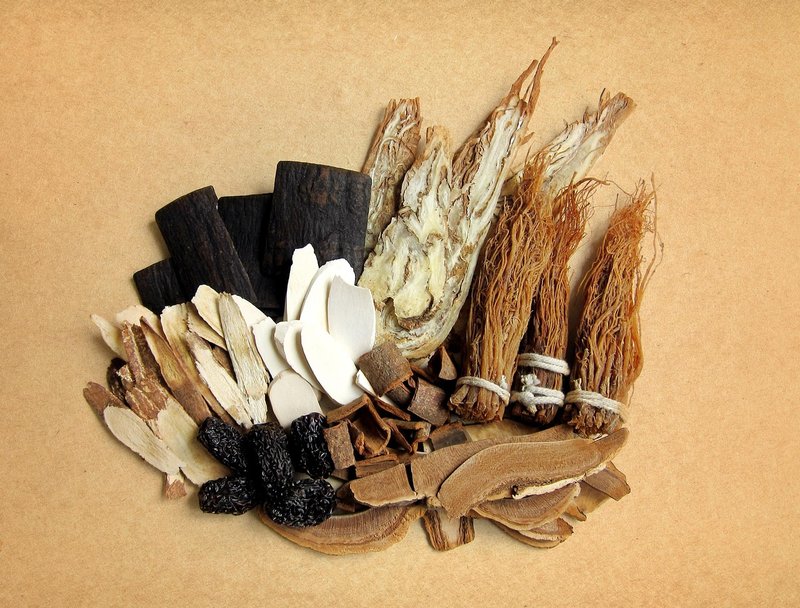
Representative image: silviarita / Pixabay
Ghana's FDA ordered a 14-day recall of Franko Herbal Mixture and shut its factory after tests found undeclared diazepam and paracetamol.
What Happened
Ghana's Food and Drugs Authority (FDA) has ordered Franko Herbal Centre to recall its Franko Herbal Mixture within 14 days after laboratory tests found two undeclared drugs in it: diazepam, a prescription-only sedative, and paracetamol, a common painkiller. The regulator's notice is dated Monday, October 19, 2026, and was reported by Ghanaian outlets on October 20 and 21. The FDA has also shut the company's factory at Jacobu in the Ashanti Region and warned the public not to buy or use the product.
Key Facts
- Ghana's FDA gave Franko Herbal Centre 14 days to withdraw Franko Herbal Mixture from the market.
- The product was registered as containing only three plants: Carica papaya (papaya), Alstonia boonei and Tetrapleura tetraptera.
- Laboratory tests found diazepam and paracetamol, neither of which was declared on the label.
- The company's manufacturing factory at Jacobu in the Ashanti Region has been closed.
- The FDA warned that diazepam can raise the risk of severe sedation, breathing problems, coma and death, and that too much paracetamol can cause severe liver damage.
- Consumers who have the product are told to stop taking it and to seek advice from a qualified health professional; anyone still selling it should be reported to the nearest FDA office.
- The regulator said failure to comply could bring further sanctions, including criminal prosecution.
Why It Matters
The case goes to the heart of the trust that traditional and herbal medicine depends on. A herbal product is sold on the promise that it contains what the label says: in this case, three plants. When a manufacturer secretly adds a modern drug, the buyer is taking a medicine they did not choose, at a dose nobody has checked, often alongside other medicines. Diazepam is a prescription-only sedative, and the regulator's own warning lists severe sedation, breathing problems, coma and death among its risks. Hidden paracetamol is a risk for anyone who also takes the painkiller separately, because the doses add up.
Adulteration of this kind, sometimes called "spiking", can also make a product appear to work. A mixture that contains a sedative may make users feel calmer or sleep better, and one that contains a painkiller may ease pain, even if the plant ingredients do nothing. That is why regulators treat undeclared drugs in herbal products as a serious safety failure, not a labelling slip.
The Ghana case also shows how such problems are caught. The product had been registered with the regulator as a three-plant remedy, and it was laboratory testing of what was actually on sale that found the hidden drugs. Registration on its own is not a guarantee; regular testing of products in the market is what protects buyers.
For readers in India, where Ayurveda, Siddha and Unani medicines are widely used, the lesson is the same. Traditional systems earn credibility only when products are made by licensed manufacturers, tested and labelled honestly. Buying from known, licensed sources and telling your doctor about any herbal product you take are simple ways to reduce risk.
| Item | Detail |
|---|---|
| Product | Franko Herbal Mixture |
| Regulator | Ghana Food and Drugs Authority |
| Undeclared drugs found | Diazepam, paracetamol |
| Registered ingredients | Carica papaya, Alstonia boonei, Tetrapleura tetraptera |
| Action | 14-day recall; Jacobu factory shut |
Impact
Short-term: The product must be withdrawn from shops and distributors in Ghana within 14 days, and users are advised to stop taking it.
Long-term: The case is likely to increase testing of herbal products on the market and may affect public confidence in registered herbal remedies unless regulators show that checks are working.
Who is affected: People who bought or used Franko Herbal Mixture; retailers and distributors in Ghana; makers of herbal medicines whose products face closer scrutiny; and patients anywhere who combine herbal products with prescription medicines.
Key Takeaway
Ghana's FDA ordered a 14-day recall of Franko Herbal Mixture and shut its factory after tests found undeclared diazepam and paracetamol in a product registered as purely herbal.
Questions and Answers
Why was Franko Herbal Mixture recalled?
Ghana's Food and Drugs Authority ordered the recall after laboratory tests found diazepam and paracetamol in the product, although it was registered as containing only three plants. The notice is dated October 19, 2026.
What are the dangers of hidden diazepam and paracetamol?
The FDA warned that diazepam can cause severe sedation, breathing problems, coma and death, and that an overdose of paracetamol can cause severe liver damage. The risk is higher because users do not know they are taking these drugs.
What should people who have the mixture do?
The FDA advises them to stop taking it, seek advice from a qualified health professional, and report anyone still selling it to the nearest FDA office.
What does this mean for buyers of herbal medicines in India?
The case shows why herbal and traditional medicines should be bought only from licensed makers and sellers, and why patients should tell their doctors about any herbal products they use alongside other medicines.
Disclaimer: Prepared by the Peepals newsroom from publicly available sources with AI assistance. Information is accurate to the best of our knowledge at the time of publication and may change. Images may be representative. Not professional advice. Report an error via our contact page.
By Ananya Rao, Ayush & Wellness CorrespondentCovers Ayush and more for Peepals Sanskriti. All stories by Ananya Rao
Diwali 2026 on November 8: why Lakshmi Puja times differ by panchang
Less ultra-processed food tied to fewer depression symptoms after 70, study finds
Ananya Rao is a pen name of the Peepals Global Editorial Team, which researches, fact-checks and publishes every story. The portrait is an illustration.