
Brazil's Anvisa restates ashwagandha supplement ban after UK liver case
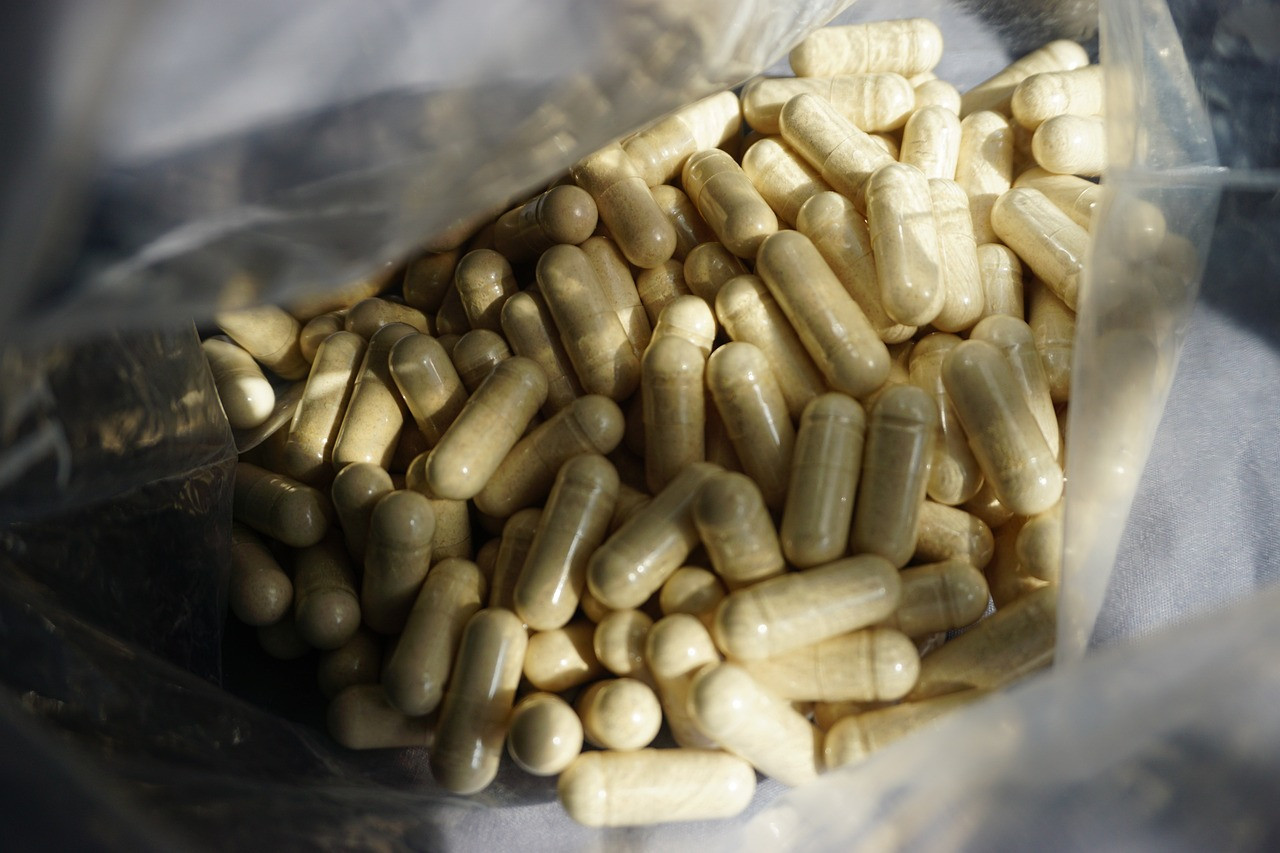
Representative image: MarcOliver_Artworks / Pixabay
Brazil's regulator Anvisa said on October 21, 2026, that ashwagandha supplements are prohibited in the country, after a liver failure case in England drew attention.
What Happened
Brazil's health regulator, Anvisa (the National Health Surveillance Agency), on Wednesday, October 21, 2026, reissued a public alert that ashwagandha food supplements are not authorised in the country. The agency said making, selling, distributing and using the herb as a supplement are prohibited in Brazil, because ashwagandha is not on its list of ingredients allowed in such products. The alert followed wide attention to a case in England, where a 44-year-old woman who had been taking ashwagandha gummies needed a liver transplant and was left with brain damage.
Key Facts
- Anvisa reinforced its position on October 21, 2026, after the supplement was promoted on TikTok for relaxation and for perimenopause symptoms, according to Brazilian reports.
- The agency said ashwagandha supplements have no registration in Brazil and that the substance is not among the ingredients authorised for this type of product.
- Anvisa also reminded consumers that even legal products can harm health when used against the instructions or without regard to a person's needs.
- The case behind the alert: a woman in England developed acute liver failure in July 2026 after about a year of using ashwagandha gummies, received a donor liver on July 22, and suffered three cardiac arrests during surgery, UK reports said in September. Her doctors believe the herb was linked to her liver problems; causation has not been formally established.
- In the UK, the Food Standards Agency (FSA) is still assessing whether a safe level of ashwagandha in supplements can be set; it published a summary of responses to its call for evidence on June 25, 2026.
- In India, the Food Safety and Standards Authority of India (FSSAI) issued an advisory dated April 16, 2026, barring ashwagandha leaves in any form in food products, while allowing roots and root extracts.
Why It Matters
Ashwagandha (Withania somnifera) is one of the best-known herbs of Ayurveda. Its place in that tradition is one thing; the evidence on its safety in modern supplement form is another, and it is still being built. The herb has also become a global wellness product, sold as gummies, capsules and powders, often online and often marketed through social media for stress, sleep and hormones. As sales have spread, regulators outside India have started to look harder at safety, especially reports of liver injury.
Brazil's alert is not a new ban. The agency's point is that ashwagandha was never on its list of permitted supplement ingredients, so any such product on sale is unlawful. What is new is the timing: the agency chose to restate the rule as the herb trends on social media and as a serious case in England circulates in the Brazilian press. For Indian exporters and brands that sell ashwagandha abroad, it is a reminder that the herb's legal status differs from country to country, and that a single high-profile case can move regulators.
The UK review shows where the science stands. According to an FSA-related research summary, the agency's risk assessments have found associations with effects on thyroid hormones, low blood sugar and possible liver toxicity, and its Committee on Toxicity has said more information is needed on long-term effects and on liver safety of standardised preparations. The FSA has not yet published a final outcome.
India's own regulator has already drawn a line between parts of the plant. The FSSAI advisory of April 16, 2026, says only ashwagandha roots and their extracts are permitted in health supplements under Schedule IV of the 2016 nutraceutical regulations. It bars leaves because studies have raised concerns about their higher levels of withanolides, plant compounds that include withaferin-A. The advisory followed directions from the Ministry of Ayush, which had observed that some manufacturers kept using leaves despite earlier instructions.
| Country | Status of ashwagandha supplements |
|---|---|
| Brazil | Not an authorised supplement ingredient; Anvisa restated the prohibition on October 21, 2026 |
| United Kingdom | Legal; FSA risk assessment under way, summary of evidence published June 25, 2026 |
| India | Roots and root extracts permitted; leaves barred in food products by FSSAI advisory of April 16, 2026 |
Impact
Short-term: Online sellers and social media promoters reaching Brazilian buyers face enforcement risk, and consumers there have been told the products are illegal. The alert is also likely to add to public questions about ashwagandha gummies in other markets.
Long-term: The outcome of the UK risk assessment, and any further case reports, will shape how other regulators treat the herb. Brands that can show standardised, root-only preparations with safety data are likely to be in a stronger position, which matches the direction India's FSSAI has already taken.
Who is affected: People who take ashwagandha supplements, especially those with liver or thyroid conditions; Ayurveda and nutraceutical companies that export the herb; and online sellers and influencers who promote supplements.
Key Takeaway
Brazil has restated that ashwagandha supplements are prohibited there, as a liver case in England keeps the herb's safety under review in the UK while India allows only its roots in food products.
Questions and Answers
Is ashwagandha banned in Brazil?
Yes, as a food supplement. Brazil's regulator Anvisa said on October 21, 2026, that ashwagandha is not an authorised supplement ingredient, so its manufacture, sale, distribution and use in supplements are prohibited in the country.
Why did Anvisa issue the ashwagandha alert now?
The alert came as the supplement was being promoted on TikTok for relaxation and perimenopause, and after wide coverage of a woman in England who needed a liver transplant and was left with brain damage after using ashwagandha gummies. Her doctors believe the herb was linked, but this has not been formally proven.
What are the rules on ashwagandha in India?
Under an FSSAI advisory dated April 16, 2026, only ashwagandha roots and root extracts may be used in health supplements. Leaves are barred in any form because of safety concerns about compounds called withanolides.
Does this mean ashwagandha is unsafe?
Regulators have not reached that conclusion. The UK Food Standards Agency is still assessing whether a safe level can be set, and its toxicity committee has asked for more data on liver safety. Anyone with a liver or thyroid condition, or who is pregnant, should speak to a qualified doctor before taking any herbal supplement.
Disclaimer: Prepared by the Peepals newsroom from publicly available sources with AI assistance. Information is accurate to the best of our knowledge at the time of publication and may change. Images may be representative. Not professional advice. Report an error via our contact page.
Sourced and fact-checked by the Peepals Global Editorial Team
Reported, fact-checked and published by the Peepals Global Editorial Team.