
Sri Ganganagar raids: 22,138 litres of suspected fake ghee seized before Diwali
 By Devansh TiwariKnowledge Systems Writer, Peepals Sanskriti

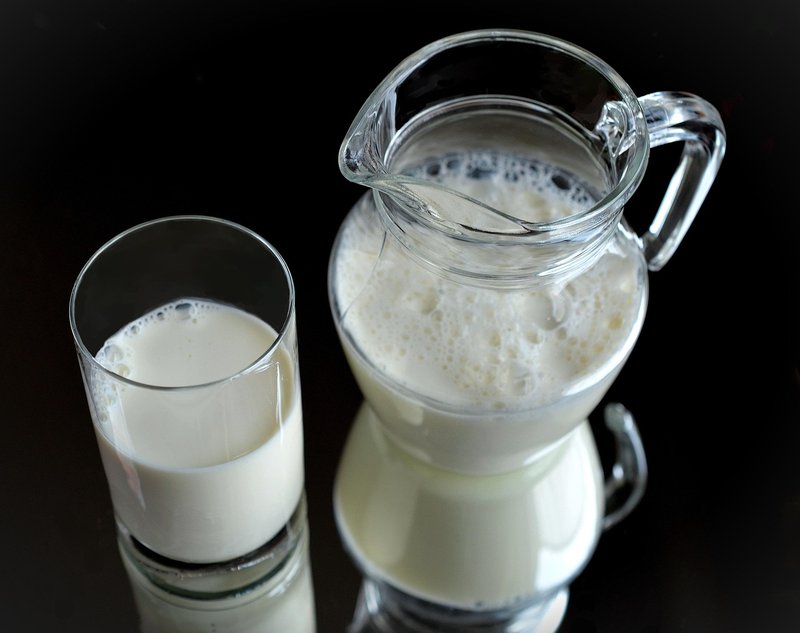
Representative image: THEPSDGUY / Pixabay
Rajasthan officials seized 22,138 litres of suspected adulterated ghee worth about Rs 1.60 crore in Sri Ganganagar, reported on 1 November 2026; three were arrested.
What Happened
Police and health officials in Rajasthan's Sri Ganganagar district seized 22,138 litres of suspected adulterated ghee from two trading firms and arrested three people, according to reports of the operation on Sunday, 1 November 2026. The stock, valued by officials at about Rs 1.60 crore, was allegedly being made by mixing expired or returned ghee with vanaspati and palm oil and repacking it under several brand names for the pre-Diwali market. Samples have been sent to a laboratory for testing.
Key Facts
- The first raid, on a godown and unit of Ananya Trading Company, found 16,394 litres of suspected adulterated ghee packed under different brand names; the warehouse was sealed.
- A joint team then raided New Vijay Trading Company on the Suratgarh bypass and seized another 5,744 litres, taking the total to 22,138 litres.
- Officials put the combined value at about Rs 1.60 crore; the stock from the first godown alone was valued at about Rs 1.23 crore.
- Investigators suspect that vanaspati (hydrogenated vegetable fat) and palm oil sourced from Gujarat were blended in to cut costs and imitate the look and smell of pure ghee.
- Police also seized about Rs 3.50 lakh in cash that they believe came from sales.
- The action involved the state CID Crime Branch, district police and the health department, under Rajasthan's "Shuddh Aahar, Milawat Par Vaar" (pure food, strike on adulteration) drive.
- Three people were arrested; the allegations remain to be proven, and the laboratory reports will decide whether the ghee was adulterated.
Why It Matters
Ghee holds a special place in Indian kitchens and rituals. It is used for cooking, in sweets made for festivals, in lamps lit at home and in temple offerings. Demand rises sharply in the weeks before Diwali, when families buy sweets and make their own at home. That rise in demand is also when adulteration tends to increase, because a cheaper fat sold at the price of ghee earns large margins.
The Sri Ganganagar case follows a series of actions across north India in recent weeks: Delhi, Punjab's Ludhiana and Gujarat's Junagadh have all reported seizures of ghee that officials said was substandard or fake. The quantity in Rajasthan is far larger than those cases: 22,138 litres is enough to fill more than 22,000 one-litre packs.
Mixing vanaspati or palm oil into ghee and selling it as pure is a matter of both honesty and health. Buyers pay for one product and get another. Ghee sold in India has to meet the standard set by the Food Safety and Standards Authority of India (FSSAI), and a product that fails it can be declared substandard or unsafe, which can lead to action under the food safety law. The laboratory reports in this case will show what the seized ghee actually contained.
For households, the case is a reminder to buy ghee and sweets from licensed sellers, keep the bill, and check that the pack carries an FSSAI licence number and a clear manufacturing and expiry date. Complaints about suspect food can be made to the district food safety officer.
| Raid site | Quantity seized |
|---|---|
| Ananya Trading Company (godown and unit) | 16,394 litres |
| New Vijay Trading Company, Suratgarh bypass | 5,744 litres |
| Total | 22,138 litres |
Impact
Short-term: The two firms' stock has been taken off the market and one warehouse sealed just before Diwali. The three people arrested will be questioned about where the oils came from and where the repacked ghee was sold.
Long-term: If the laboratory confirms adulteration, the case may lead to prosecution under the food safety law and to checks on suppliers in other states. It also adds to pressure on state food safety departments to keep up inspections after the festive season, not only before it.
Who is affected: Families and sweet shops in Sri Ganganagar and nearby districts that buy loose or local-brand ghee, honest dairy and ghee makers who compete with cheaper fakes, and food safety officers in Rajasthan.
Key Takeaway
Rajasthan officials have seized 22,138 litres of suspected fake ghee in Sri Ganganagar ahead of Diwali, and laboratory tests will now decide whether it was adulterated with vanaspati and palm oil.
Questions and Answers
How much adulterated ghee was seized in Sri Ganganagar?
Officials seized 22,138 litres of suspected adulterated ghee from two firms: 16,394 litres from Ananya Trading Company and 5,744 litres from New Vijay Trading Company on the Suratgarh bypass. The stock was valued at about Rs 1.60 crore.
What was allegedly mixed into the ghee?
Investigators suspect that expired or returned ghee was collected and blended with vanaspati and palm oil, some of it sourced from Gujarat, and then repacked under different brand names. Laboratory tests will confirm what the samples contain.
Who carried out the raids?
The raids were carried out by a joint team including Rajasthan's CID Crime Branch, the district police and the health department, as part of the state's "Shuddh Aahar, Milawat Par Vaar" campaign against food adulteration.
What can buyers do to avoid fake ghee before Diwali?
Buy from licensed sellers, keep the bill, and check that the pack shows an FSSAI licence number and manufacturing and expiry dates. Suspected adulteration can be reported to the district food safety officer.
Disclaimer: Prepared by the Peepals newsroom from publicly available sources with AI assistance. Information is accurate to the best of our knowledge at the time of publication and may change. Images may be representative. Not professional advice. Report an error via our contact page.
By Devansh Tiwari, Knowledge Systems WriterCovers Knowledge Systems and more for Peepals Sanskriti. All stories by Devansh Tiwari
Arthashastra conference in Bengaluru links Kautilya's statecraft to modern governance
Telangana Vedic scholars' meet at Yadagirigutta: Governor seeks support for gurukuls
Get the day's stories in your inbox
Peepals Weekly: the week decoded, free. One email a week, unsubscribe in one click.
Devansh Tiwari is a pen name of the Peepals Global Editorial Team, which researches, fact-checks and publishes every story. The portrait is an illustration.