
Kerala suspends 32 snack units, destroys 568 litres of used cooking oil
 By Ananya RaoAyush & Wellness Correspondent, Peepals Sanskriti
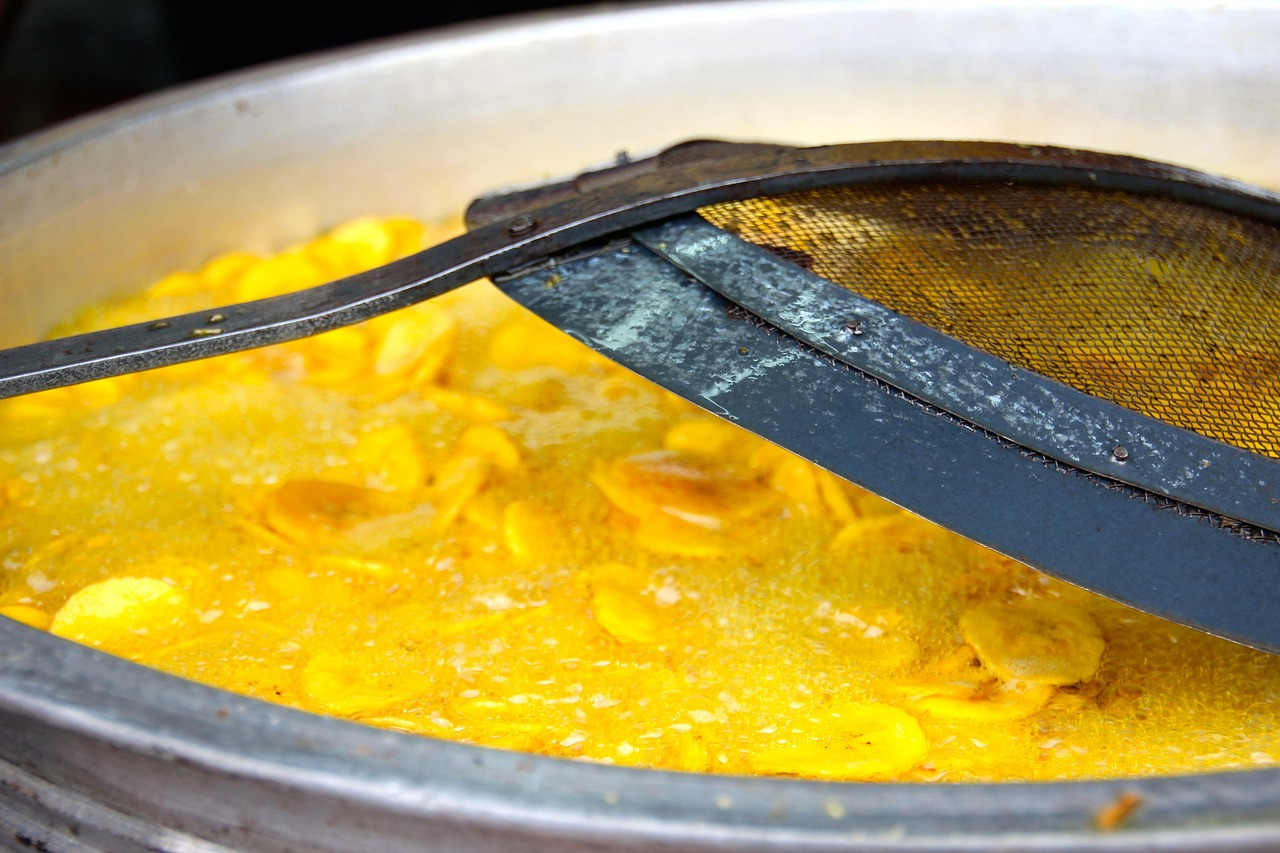
Representative image: Peggy_Marco / Pixabay
Kerala's Operation Thelima 2.0 on 27 October 2026 checked 160 fried-snack units, suspended 32 licences and destroyed 568 litres of used oil and 7,000 snacks.
What Happened
Kerala's Food Safety Department suspended the licences of 32 food businesses and destroyed 568 litres of used cooking oil and about 7,000 fried snacks during a one-day statewide inspection drive on Tuesday, 27 October 2026. The drive, the second phase of what the department calls Operation Thelima, covered 160 units that make fried snacks across the state, with 56 inspection squads starting work at 3 am. Health and Devaswom Minister K. Muraleedharan announced the results and said inspections against the unsafe reuse of cooking oil and other food safety violations would continue.
Key Facts
- 56 inspection squads checked 160 snack-making units across Kerala from 3 am on 27 October 2026.
- The licences of 32 establishments were suspended for breaking food safety standards.
- 568 litres of substandard used cooking oil and about 7,000 fried snacks made in unhygienic conditions were destroyed.
- The department issued 23 notices directing businesses to correct violations, recommended six cases for further legal action, and recommended fines against 80 establishments.
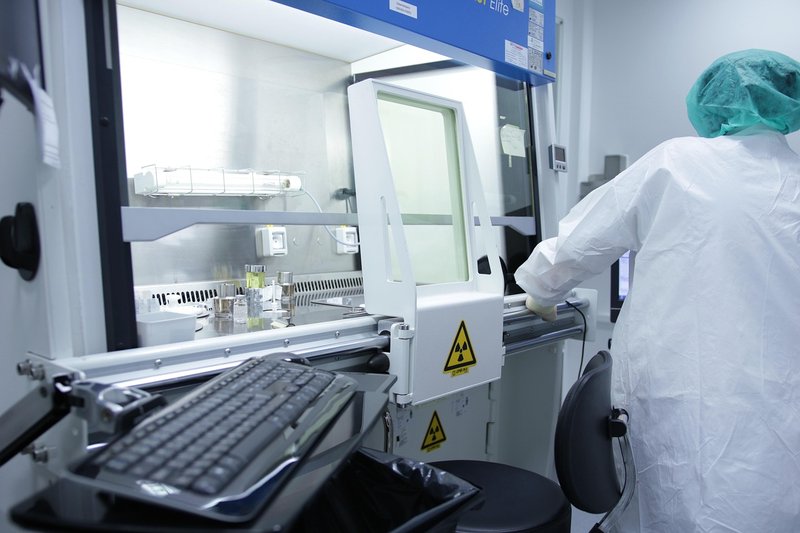
- Squads used special equipment on the spot to test the quality of used cooking oil.
- Under food safety standards, cooking oil whose total polar compounds (TPC) exceed 25% must not be reused.
- The first phase of Operation Thelima, on 29 and 30 September 2026, inspected 1,834 establishments in all 14 districts and led to the suspension of 74.
Why It Matters
Fried snacks are widely sold in Kerala, and many shops buy them from units that fry in large batches. That makes the quality of the frying oil a public health question, not only a matter of taste.
When oil is heated again and again, it breaks down. The total polar compounds test measures how far that breakdown has gone. Food safety rules set 25% as the limit: oil above that level must not be used again. By testing oil on the spot, the squads could tell at once whether a unit was frying in oil that should already have been thrown away, instead of waiting for laboratory reports.
The second phase moved from a broad sweep to a narrow target. The first phase in late September looked at more than 1,800 eateries across all 14 districts. The October drive went straight to the units that make fried snacks in bulk, the point where one batch of old oil can reach many shops. Of the 160 units checked, 32 lost their licences for now, which is one in five.
For readers who value traditional snacks, the drive is a reminder that the safety of a familiar food depends on how it is made, not only on the recipe. The department's actions concern hygiene and oil quality; they do not suggest any traditional snack is unsafe in itself.
| Measure | Operation Thelima phase 1 (29-30 Sept) | Operation Thelima 2.0 (27 Oct) |
|---|---|---|
| Places checked | 1,834 establishments | 160 snack-making units |
| Licences suspended | 74 | 32 |
| Focus | Eateries in all 14 districts | Bulk fried-snack makers and used oil |
Impact
Short-term: The 32 units whose licences were suspended face a halt to their licensed business while the suspension lasts. Those that received notices must correct the problems found, and 80 establishments face fines if the recommendations are acted upon.
Long-term: The minister has said the checks will continue. Regular on-the-spot oil tests could push snack makers to change frying oil more often and keep records, and could make customers more aware of what to look for in the shops they use.
Who is affected: Snack-making units, bakeries and tea shops in Kerala; their workers; and the many families and office workers who buy fried snacks every day.
Key Takeaway
Kerala's Operation Thelima 2.0 on 27 October 2026 checked 160 fried-snack units, suspended 32 licences and destroyed 568 litres of used oil and 7,000 snacks, with the health minister promising more inspections.
Questions and Answers
What is Operation Thelima in Kerala?
It is an inspection drive by Kerala's Food Safety Department aimed at the quality and safety of fried food and cooking oil. The first phase on 29 and 30 September 2026 checked 1,834 establishments, and the second phase on 27 October 2026 targeted 160 units that make fried snacks.
What did the 27 October food safety raids in Kerala find?
Squads suspended the licences of 32 establishments, destroyed 568 litres of substandard used cooking oil and about 7,000 fried snacks made in unhygienic conditions, issued 23 notices, recommended six cases for legal action and recommended fines against 80 establishments.
When must cooking oil not be reused under food safety standards?
When its total polar compounds, a measure of how much the oil has broken down through repeated heating, exceed 25%. Kerala's inspection squads tested oil at the units with special equipment during the drive.
Will Kerala carry out more such checks?
Yes. Health and Devaswom Minister K. Muraleedharan said inspections and enforcement against the unsafe reuse of cooking oil and other food safety violations would continue.
Disclaimer: Prepared by the Peepals newsroom from publicly available sources with AI assistance. Information is accurate to the best of our knowledge at the time of publication and may change. Images may be representative. Not professional advice. Report an error via our contact page.
By Ananya Rao, Ayush & Wellness CorrespondentCovers Ayush and more for Peepals Sanskriti. All stories by Ananya Rao
AIAPGET 2026 PG seats: revised Round 1 schedule, result on November 5
Plant protein linked to slightly higher testosterone in Finnish men
Get the day's stories in your inbox
Peepals Weekly: the week decoded, free. One email a week, unsubscribe in one click.
Ananya Rao is a pen name of the Peepals Global Editorial Team, which researches, fact-checks and publishes every story. The portrait is an illustration.