
Andhra Pradesh bans analogue paneer for one year
 By Ishita SenCulture & Heritage Editor, Peepals Sanskriti
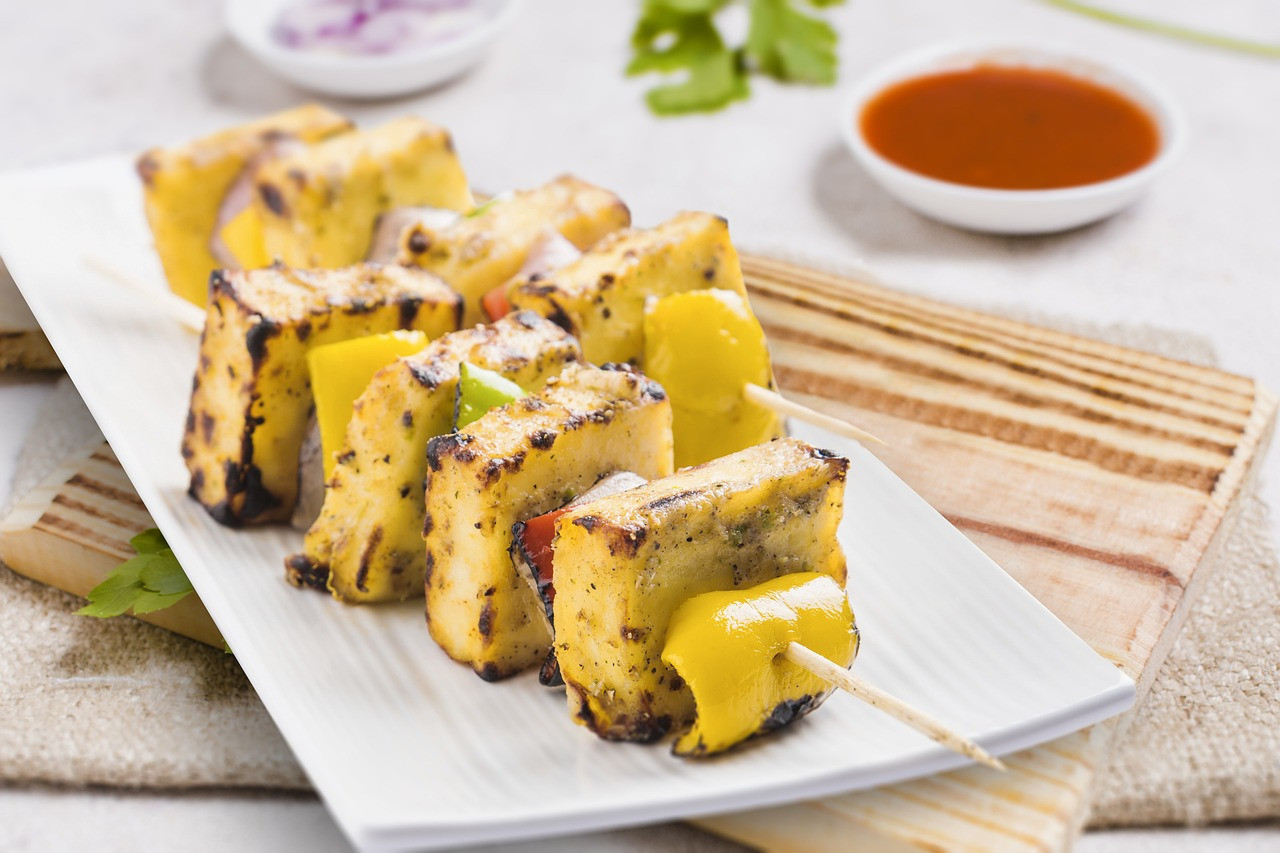
Representative image: firstclick8556877242 / Pixabay
Andhra Pradesh's food safety commissioner has banned making, selling or serving analogue paneer for a year, in an order reported on October 30-31, 2026.
What Happened
Andhra Pradesh has banned the manufacture and sale of "analogue paneer" across the state for one year, according to a notification issued by the state's Commissioner of Food Safety, G. Veerapandian, and reported on October 30 and 31, 2026. The order, issued under Section 30(2)(a) of the Food Safety and Standards Act, 2006, covers every step of the chain: making, processing, packing, storing, transporting, distributing and selling non-standardised dairy analogues, and using them in restaurants and other commercial kitchens. Officials said the aim is to protect public health, stop consumers from being misled and keep trade fair.
Key Facts
- Who: Andhra Pradesh Commissioner of Food Safety G. Veerapandian, through a gazette notification.
- What: a one-year ban on non-standardised dairy analogues sold or served as paneer.
- Legal basis: Section 30(2)(a) of the Food Safety and Standards Act, 2006, the provision under which state food safety commissioners issue time-limited prohibitions in the interest of public health.
- What counts as analogue paneer: a product in which milk, milk fat or milk solids are wholly or partly replaced with vegetable fat, palm oil or other non-dairy ingredients.
- Reports differ on the exact start date of the ban; the order was reported on October 30 and 31, 2026.
- Nationally, the Food Safety and Standards Authority of India (FSSAI) published draft rules in September 2026 that would stop analogue products from using the word "paneer" and would require restaurants and caterers to disclose their use; the draft was opened for 60 days of public comment.
Why It Matters
Paneer is one of the most widely eaten sources of dairy protein in Indian homes and restaurants, especially for vegetarians. That popularity, and the rising price of milk, has made it a target for substitution. Analogue paneer looks very similar to the real thing and is cheaper to make, because some or all of the milk fat is replaced by vegetable fat such as palm oil. Selling such a product honestly, with a clear label, is a different matter from passing it off as paneer in a curry, a tikka or a sweet.
The problem regulators describe is mainly one of deception. A customer ordering paneer butter masala or buying a block of paneer in a market expects a milk product. When the dish is made from an analogue and nobody says so, the buyer pays for something they did not get, and honest dairies that make paneer from milk lose out on price. Officials in Andhra Pradesh have said restaurants were among those using analogues in place of paneer, which is why the order explicitly covers commercial food service and not only factories and shops.
The state ban also sits within a wider national tightening. In April 2026, FSSAI's West Region told food businesses not to sell cheese analogues as paneer and to disclose any substitute on menus or display boards. In September 2026, FSSAI went further with draft amendments to its regulations on prohibitions and restrictions on sales. If adopted, they would bar analogue products from carrying the "paneer" name and require hotels, restaurants and caterers to show prominently that they use analogues, for example on menu cards and labels. The draft is still a proposal; the consultation period was set at 60 days.
| Measure | Who issued it | Status |
|---|---|---|
| Direction not to sell cheese analogues as paneer | FSSAI West Region, April 2026 | Issued |
| Draft rule restricting the "paneer" name for analogues | FSSAI, September 2026 | Draft, open for comment |
| One-year ban on dairy analogues in the state | Andhra Pradesh food safety commissioner, reported October 30-31, 2026 | In force |
Impact
Short-term: Food safety officers in Andhra Pradesh can now act against any business found making, stocking, selling or serving analogue paneer, rather than only against mislabelling. Restaurants, sweet shops and caterers in the state will need to check what their suppliers are actually delivering, since using an analogue in a dish is itself covered by the ban.
Long-term: If FSSAI adopts its draft, the national rule would focus on honest naming and disclosure across all states, while state bans such as Andhra Pradesh's work as a stricter, time-limited measure. Dairies that make paneer from milk could benefit from fairer competition, and buyers could gain clearer information about what they are eating.
Who is affected: Paneer makers and wholesalers in Andhra Pradesh, restaurants, hotels, caterers, cloud kitchens and sweet shops that buy paneer in bulk, dairy farmers and co-operatives supplying milk for paneer, and consumers, especially vegetarian families who rely on paneer as a protein source.
Key Takeaway
Andhra Pradesh has made it illegal for a year to make, sell or serve analogue paneer in the state, adding a hard ban to FSSAI's push to stop vegetable-fat substitutes being passed off as real paneer.
Questions and Answers
What is analogue paneer?
It is a paneer-like product in which milk, milk fat or milk solids are wholly or partly replaced with vegetable fat, palm oil or other non-dairy ingredients. It looks similar to paneer but is not a pure milk product.
What exactly has Andhra Pradesh banned?
A one-year ban, issued by Food Safety Commissioner G. Veerapandian under the Food Safety and Standards Act, 2006, on the manufacture, processing, packing, storage, transport, distribution and sale of non-standardised dairy analogues, and on their use in commercial food services such as restaurants.
Is analogue paneer banned across India?
Not as of now. FSSAI has proposed draft rules, published in September 2026 for 60 days of public comment, that would stop analogues using the "paneer" name and make restaurants disclose their use. Andhra Pradesh's ban is a state-level order.
How can a buyer avoid being misled?
Read the label on packaged paneer for the words "analogue" or "non-dairy" and for vegetable oil in the ingredients, and ask restaurants directly. Complaints about suspected adulteration can be made to the state food safety department or through FSSAI's consumer channels.
Disclaimer: Prepared by the Peepals newsroom from publicly available sources with AI assistance. Information is accurate to the best of our knowledge at the time of publication and may change. Images may be representative. Not professional advice. Report an error via our contact page.
By Ishita Sen, Culture & Heritage EditorCovers Culture & Heritage and more for Peepals Sanskriti. All stories by Ishita Sen
Kuching's Sri Maha Mariamman Temple consecrated after seven-year rebuild
Madras High Court puts Chidambaram Nataraja temple under judge-led board
Get the day's stories in your inbox
Peepals Weekly: the week decoded, free. One email a week, unsubscribe in one click.
Ishita Sen is a pen name of the Peepals Global Editorial Team, which researches, fact-checks and publishes every story. The portrait is an illustration.