
UP pre-Diwali food raids: 7,660 kg seized across 38 districts
 By Ananya RaoAyush & Wellness Correspondent, Peepals Sanskriti
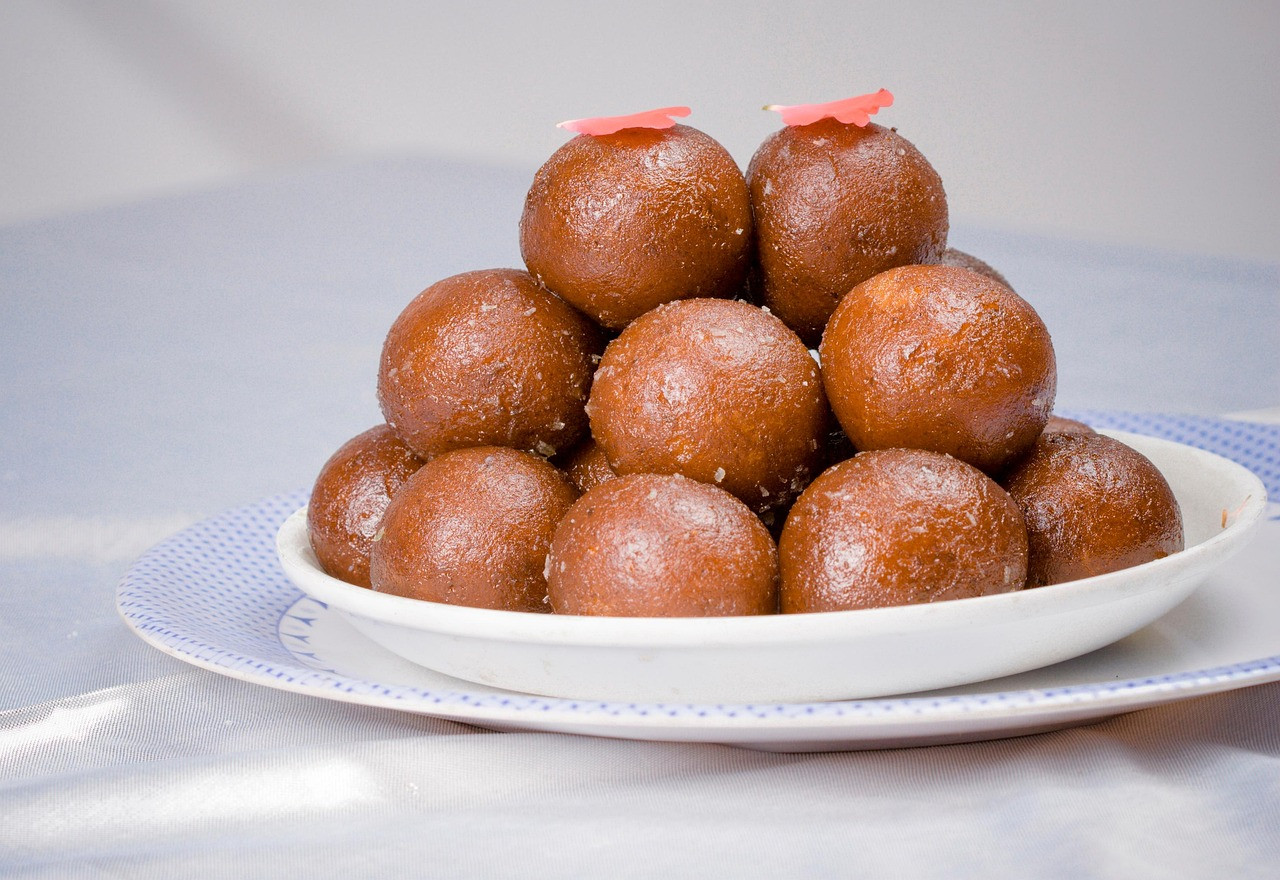
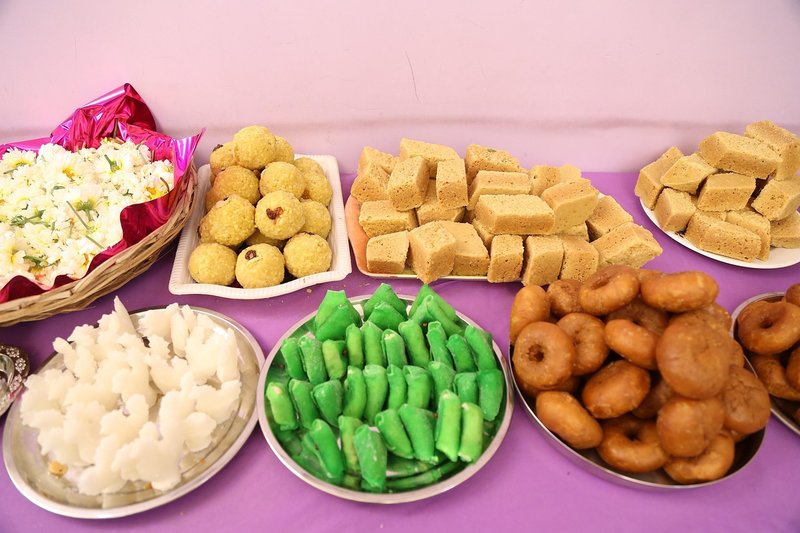
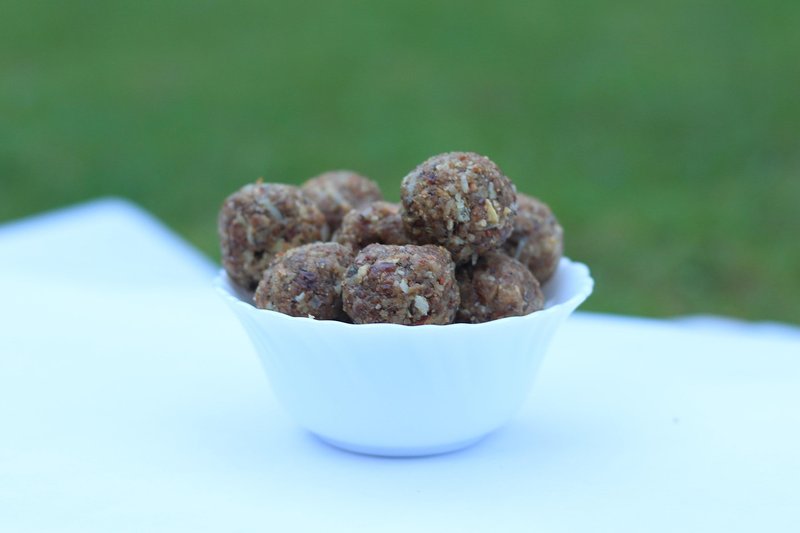
Representative image: KailashKumarPhotography / Pixabay
UP's food safety department seized or destroyed 7,660 kg of food and took 303 samples from 260 shops in 38 districts in a pre-Diwali drive reported October 30, 2026.
What Happened
Uttar Pradesh's Food Safety and Drug Administration (FSDA) has seized or destroyed about 7,660 kg of food in a pre-Diwali inspection drive across 38 districts, according to reports published on October 30, 2026. Teams from the department inspected 260 sweet shops and other food businesses across 17 divisions and collected 303 food samples for testing. Inspectors reported rodents in some shops and poor cleanliness and storage at others, and found a case of paneer adulterated with starch in Amroha.
Key Facts
- Agency: Uttar Pradesh Food Safety and Drug Administration (FSDA).
- Scope: 38 districts across 17 divisions; reported on October 30, 2026.
- Inspections: 260 shops, mainly sweet shops and other food businesses.
- Samples: 303 food samples collected for laboratory testing.
- Seized or destroyed: about 7,660 kg of food material.
- Findings: rodents in some shops, poor hygiene and storage, and starch found in paneer in Amroha.
- Action under the Food Safety and Standards Act, 2006 depends on laboratory results for the samples.
Why It Matters
Diwali, which falls on November 8 this year, is the biggest season for sweets in India. Families buy large quantities of mithai, khoya-based sweets, paneer and ghee for festivals, gifts and celebrations. When demand rises, adulteration, unsafe storage and stale stock become concerns for food regulators. Festive-season inspections are meant to catch these problems before they reach homes.
The Amroha case shows a common form of adulteration. Starch is sometimes mixed into paneer to increase its bulk at lower cost. It means buyers do not get what they pay for. Rodents in shops point to a different danger: contamination from poor hygiene, which can spread disease regardless of the ingredients used.
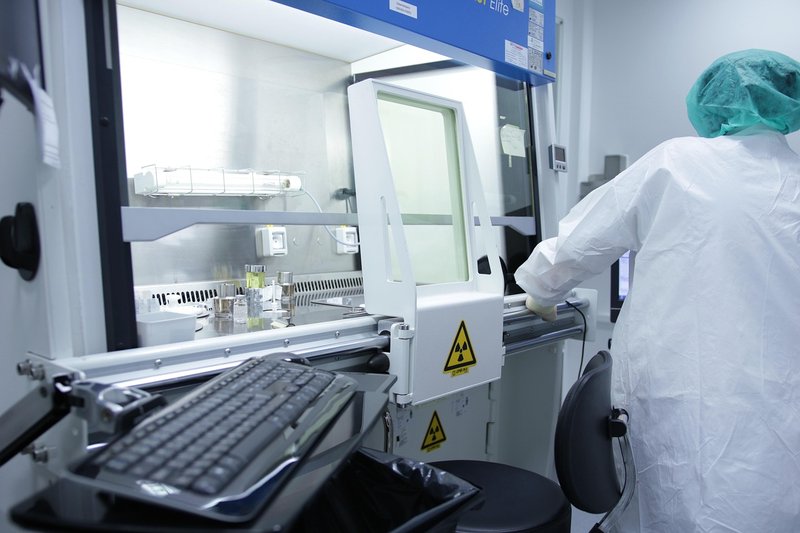
The 303 samples are the key to what happens next. Seizing or destroying food that is visibly spoiled or stored in unhygienic conditions can be done on the spot, but formal cases for adulteration usually depend on laboratory results. Those results will decide whether individual shops face prosecution, fines or the loss of their licences, so the final outcome of the drive will only be known once the tests are complete.
Uttar Pradesh is not alone in such drives this season. Delhi's food safety department has destroyed hundreds of kilograms of sweets and khoya in pre-Diwali raids, and Punjab's food safety officials seized about 910 kg of suspected milk cake and 300 kg of khoya from a unit in Barnala on October 30. The scale of seizures across states shows how widespread the problem is during festivals.
For families, traditional sweets are part of the Diwali heritage, and the aim of these drives is to keep them safe to enjoy. Buying from licensed shops, checking that sweets are fresh and properly stored, looking for clean premises, and preferring freshly made items are simple steps. Anyone who finds adulterated or spoiled food can report it to the state's food safety department.
| Item | Detail |
|---|---|
| Districts covered | 38, across 17 divisions |
| Shops inspected | 260 |
| Samples collected | 303 |
| Food seized or destroyed | About 7,660 kg |
| Notable case | Starch in paneer, Amroha |
Impact
Short-term: Shops found violating rules face action once laboratory reports confirm adulteration. More inspections are likely in the run-up to Diwali on November 8.
Long-term: Regular, visible enforcement can push food businesses to improve hygiene and stop adulteration, and build consumer trust in festival sweets. Penalties under the Food Safety and Standards Act can include fines and cancellation of licences.
Who is affected: Families buying sweets and dairy products for Diwali; sweet shop owners and food businesses in Uttar Pradesh; and food safety officials and laboratories handling the samples.
Key Takeaway
Uttar Pradesh's food safety department seized or destroyed about 7,660 kg of food and took 303 samples from 260 shops across 38 districts in a pre-Diwali drive reported on October 30, 2026, finding rodents in some shops and starch in paneer in Amroha.
Questions and Answers
How much food did Uttar Pradesh seize in its pre-Diwali drive?
The Food Safety and Drug Administration seized or destroyed about 7,660 kg of food across 38 districts, according to reports on October 30, 2026.
What did UP food inspectors find in sweet shops?
Inspectors reported rodents in some shops, poor cleanliness and storage, and a case of starch-adulterated paneer in Amroha. They collected 303 samples for laboratory tests.
How can I check if Diwali sweets are safe?
Buy from licensed shops, check that sweets are fresh and stored properly, look for clean premises, and prefer freshly made items. Suspected adulteration can be reported to the state food safety department.
When is Diwali in 2026?
Diwali falls on November 8, 2026, and food safety departments in several states have stepped up inspections before the festival.
Disclaimer: Prepared by the Peepals newsroom from publicly available sources with AI assistance. Information is accurate to the best of our knowledge at the time of publication and may change. Images may be representative. Not professional advice. Report an error via our contact page.
By Ananya Rao, Ayush & Wellness CorrespondentCovers Ayush and more for Peepals Sanskriti. All stories by Ananya Rao
Get the day's stories in your inbox
Peepals Weekly: the week decoded, free. One email a week, unsubscribe in one click.
Ananya Rao is a pen name of the Peepals Global Editorial Team, which researches, fact-checks and publishes every story. The portrait is an illustration.