
FSSAI warns herbal supplement makers over missing botanical warnings
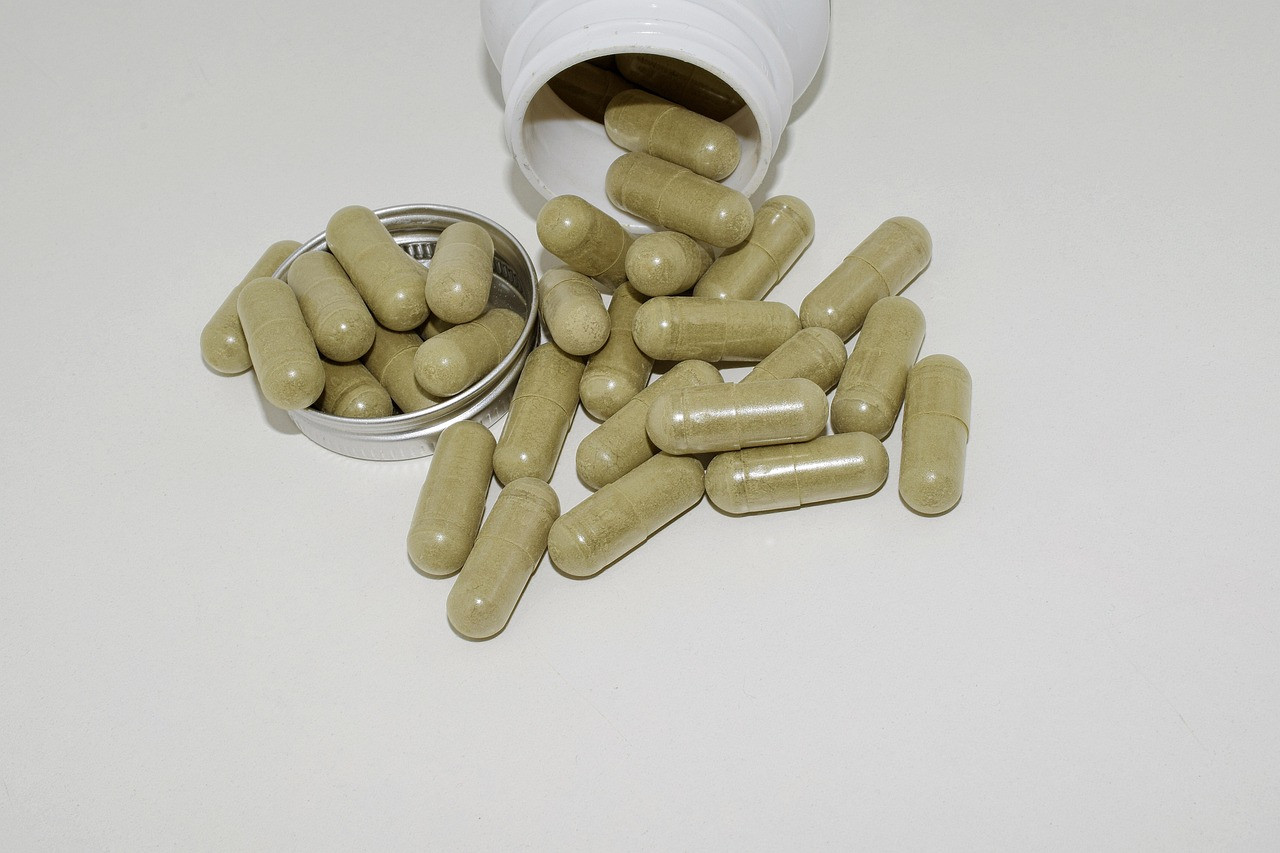
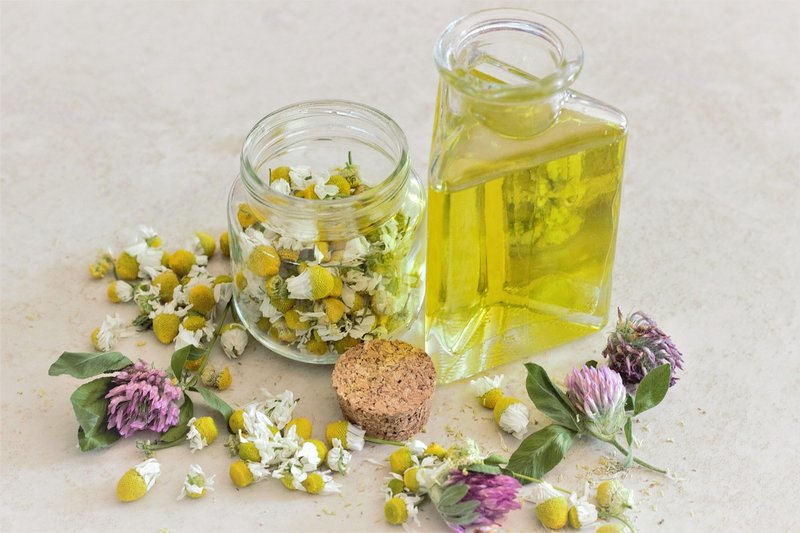
Representative image: aixklusiv / Pixabay
FSSAI's advisory of October 15, 2026, shared on October 19, tells herbal supplement makers to print botanical warnings and plant parts and drop cure claims.
What Happened
The Food Safety and Standards Authority of India (FSSAI) has told makers of health supplements and nutraceuticals that many of them are breaking mandatory labelling rules for plant and botanical ingredients, and has warned of action under food safety law. The advisory, dated October 15, 2026 and issued by FSSAI's Regulatory Compliance Division, was made public through the regulator's social media post on Monday, October 19, 2026. It asks companies to print required warnings, name the plant part used, keep within permitted limits and stop making cure claims.
Key Facts
- Who issued it: FSSAI's Regulatory Compliance Division, in an advisory dated October 15, 2026, shared publicly on October 19, 2026.
- Who it covers: makers of health supplements, nutraceuticals, foods for special dietary use, foods for special medical purposes and other regulated food categories that use plant or botanical ingredients.
- The problem FSSAI found: several food businesses are not carrying the cautionary statements required for botanical ingredients listed in Schedule IV of the 2016 nutraceutical regulations.
- Plant parts: labels must say which part of the plant (root, leaf, seed, flower and so on) is used, because FSSAI says different parts can have different permitted uses and safety concerns.
- Limits: the permitted usage levels in the rules are not to be presented as general advice for self-medication, the advisory says.
- Claims: the rules do not allow any medicinal claim or suggestion that a product cures a disease.
- Penalties: the advisory points to Section 23 of the Food Safety and Standards Act, 2006, on labelling, and Section 52 as a basis for strict action; reports say licences may be suspended and fines imposed.
Why It Matters
Herbal powders, capsules, gummies and drinks are widely sold in Indian pharmacies and online stores, often under traditional plant names. Many of these products are not regulated as Ayurvedic medicines at all. They are sold as foods, under FSSAI's 2016 rules for health supplements and nutraceuticals, and those rules list which plants can be used, in which form and in what amount, and which ones must carry a warning. When a label leaves out the warning or does not say which part of the plant is inside, a buyer cannot tell whether the product is meant for them.
The advisory draws a line between tradition and claims. A plant may have a long history of use in Indian households or in classical texts, but under food law a supplement may not say that it treats or cures any disease. That kind of claim belongs to medicines, which are licensed and tested under separate laws. For readers, this is the key point: a food supplement label is allowed to describe what is in the pack and how much to take, not to promise a cure.
The plant-part rule has a recent precedent. In April 2026, FSSAI issued a separate advisory barring the use of ashwagandha leaves in food products, allowing only the roots and their extracts in the specified categories. That earlier step showed that the regulator treats different parts of the same plant differently, and the new advisory asks all companies to make this visible on the pack.
One news report on the new advisory described an annexure of 16 botanical entries with adult usage ranges and cautions for groups such as young children and pregnant women. That report also said it could not independently confirm the document's publication status on the FSSAI website, so readers should treat the details of the annexure as unconfirmed until the regulator lists them.
| Point | What the advisory asks |
|---|---|
| Warnings | Print the cautionary statements required for listed botanicals |
| Plant part | Declare which part of the plant is used |
| Usage limits | Do not present permitted levels as self-medication advice |
| Claims | No medicinal or disease-cure claims |
| Enforcement | Action under Sections 23 and 52 of the FSS Act, 2006 |
Impact
Short-term: Supplement and nutraceutical companies will need to check their labels against Schedule IV and reprint packs that lack warnings or plant-part details. State food safety officers can use the advisory in inspections and sampling.
Long-term: Clearer labels should make herbal supplements easier to compare and safer to choose, and could push the market towards companies that disclose ingredients properly. Repeated non-compliance could lead to licence action and penalties under the 2006 Act.
Who is affected: Buyers of herbal and botanical supplements, especially people in groups that some warnings are aimed at, such as children, pregnant women and those with existing illness; supplement makers and online sellers; and state food safety departments.
Key Takeaway
FSSAI's advisory of October 15, 2026 requires herbal supplement makers to print botanical warnings and plant-part details and to drop cure claims, or face action under the Food Safety and Standards Act.
Questions and Answers
What did the FSSAI advisory on botanical ingredients say?
The advisory, dated October 15, 2026 and shared on October 19, says many health supplement and nutraceutical makers are not following mandatory labelling and warning rules for plant ingredients. It asks them to print required warnings, name the plant part used, respect permitted limits and avoid cure claims.
Which products does the FSSAI labelling advisory cover?
It covers health supplements, nutraceuticals, foods for special dietary use, foods for special medical purposes and other regulated foods that contain plant or botanical ingredients or their extracts.
Can a herbal supplement claim to cure a disease in India?
No. Under FSSAI's rules for health supplements and nutraceuticals, a product sold as food may not make any medicinal claim or suggest that it cures a disease. Such claims are for licensed medicines.
What happens to companies that do not comply?
The advisory refers to Section 23 of the Food Safety and Standards Act, 2006, and to Section 52 for strict action. Reports say penalties and suspension of licences are possible.
Disclaimer: Prepared by the Peepals newsroom from publicly available sources with AI assistance. Information is accurate to the best of our knowledge at the time of publication and may change. Images may be representative. Not professional advice. Report an error via our contact page.
Sourced and fact-checked by the Peepals Global Editorial Team
Reported, fact-checked and published by the Peepals Global Editorial Team.