
Pune FDA seizes 9,440 kg of paneer, khoya ahead of Diwali
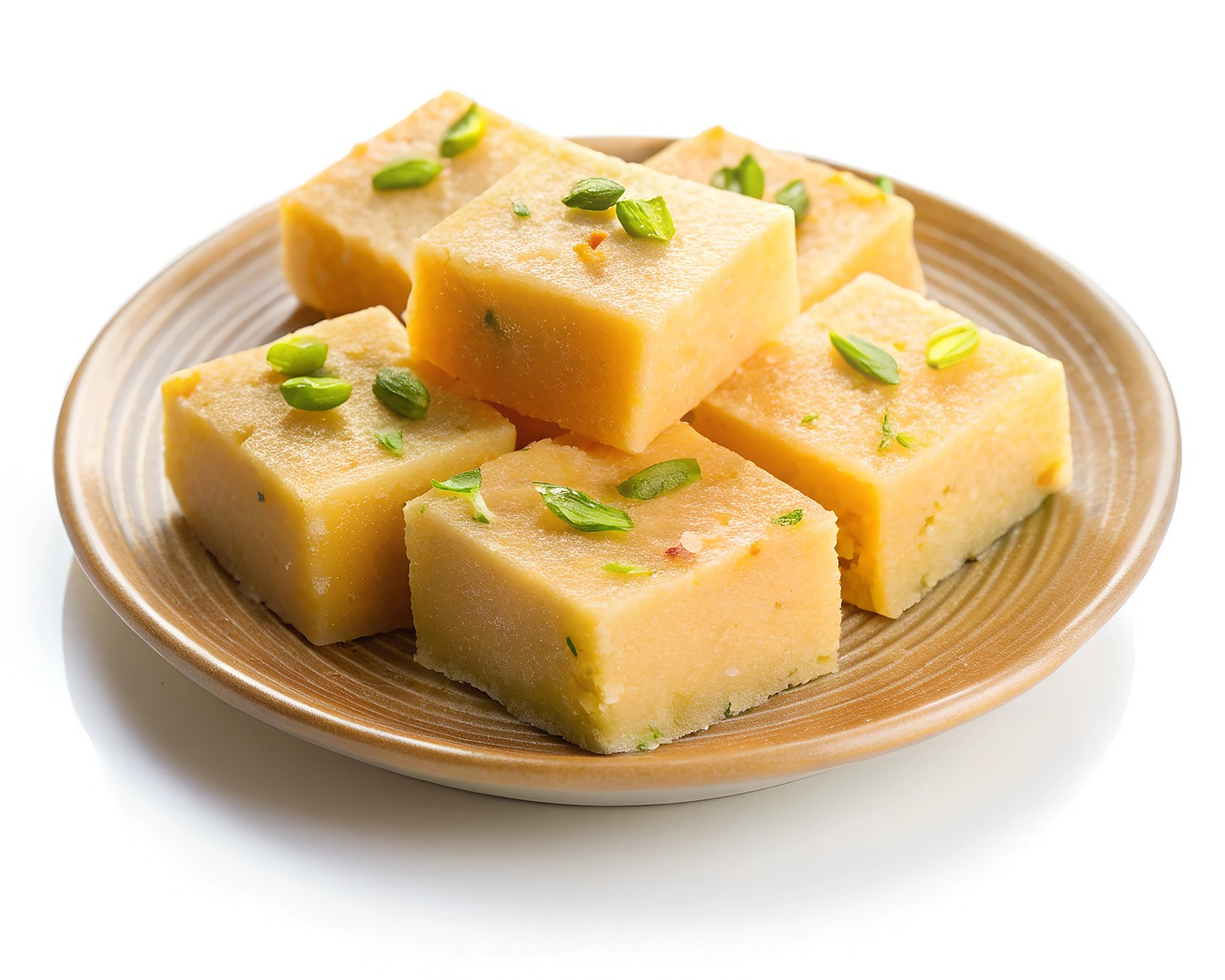
Representative image: kumarsu6745_ / Pixabay
Maharashtra's FDA seized 9,440 kg of paneer and khoya worth Rs 28.40 lakh in Pune on 19 October 2026 over unsafe transport and storage.
What Happened
The Food and Drug Administration (FDA) of Maharashtra seized 9,440 kg of paneer and khoya worth about Rs 28.40 lakh in Pune on Monday, 19 October 2026, after officials found the dairy products being transported and stored without temperature control. The stock, which officials said had come to Pune from Karnataka, was seized in actions at Bavdhan, Kasba Peth and Bibwewadi, days before Diwali, when demand for milk-based sweets is at its highest.
Key Facts
- The seized stock was 9,000 kg of paneer and 440 kg of khoya, also called mawa, a thickened milk solid used in many Indian sweets.
- Its value was put at about Rs 28.40 lakh.
- Officials said the products were moved and kept in uncontrolled temperature conditions and may be unsafe to eat.
- Samples have been sent to a laboratory for testing; the results will decide whether the food was substandard or adulterated.
- Further legal action is being taken under the Food Safety and Standards Act, 2006, according to the reports.
- In September, before Ganeshotsav, the Pune FDA had carried out a larger seizure of paneer and khoya in Budhwar Peth.
Why It Matters
Paneer and khoya are at the heart of Indian festival food. Barfi, peda, gulab jamun, kalakand and many other Diwali sweets are made from khoya, and paneer dishes are a staple of festive meals. Demand rises sharply in October and November, and so does the risk that sellers will cut corners on how these foods are made, moved and stored.
Both products are made from milk and spoil quickly. Fresh paneer and khoya need to be kept cold from the dairy to the shop; when they travel long distances in ordinary trucks or are stored in warm godowns, bacteria can grow even if the food was clean when it was made. The Pune case is a reminder that unsafe food is not only about deliberate adulteration, such as using starch or vegetable fat in place of milk, but also about poor handling. The laboratory report will show which, if either, applies here; until then, the stock is described by officials as suspected unsafe, not proven adulterated.
The seizure is part of a wider pre-Diwali push by food safety departments. In recent days, officials in several states have reported seizures of suspected adulterated mawa, paneer and ghee. Such drives follow the festival calendar every year because the volume of trade in milk sweets is so large and much of it flows through small, unregistered units.
For families who follow traditional festival cooking, the case also points to a practical choice. Many households make sweets at home from fresh milk, as earlier generations did, partly to be sure of what goes into them. Others buy from established sweet shops. Either way, the safety of the final sweet depends on the milk products that go into it.
| Item | Detail |
|---|---|
| Date of action | 19 October 2026 |
| Places in Pune | Bavdhan, Kasba Peth, Bibwewadi |
| Paneer seized | 9,000 kg |
| Khoya seized | 440 kg |
| Value | About Rs 28.40 lakh |
Impact
Short-term: The seized stock will not reach Pune's shops and sweet makers this Diwali. Traders who buy paneer and khoya from outside the state may face more checks on transport and storage in the coming weeks.
Long-term: Repeated seizures in the same city, in September and again in October, put pressure on regulators to track supply chains from other states and to enforce cold storage rules for dairy products, not only to test them after the fact.
Who is affected: Households and sweet shops in Pune that rely on bought paneer and khoya; dairy suppliers and transporters moving these products across state lines; and food safety officials, whose lab results will decide the next legal steps.
Key Takeaway
Maharashtra's FDA seized 9,440 kg of paneer and khoya in Pune on 19 October 2026 over unsafe storage and transport, and lab tests will now decide whether the food was adulterated.
Questions and Answers
How much paneer and khoya did the FDA seize in Pune before Diwali?
The Maharashtra Food and Drug Administration seized 9,440 kg, made up of 9,000 kg of paneer and 440 kg of khoya, worth about Rs 28.40 lakh, in Pune on 19 October 2026.
Why was the paneer and khoya seized in Pune?
Officials said the products were being transported and stored without temperature control, which can make perishable milk products unsafe. Samples have been sent for laboratory testing.
Was the paneer adulterated?
That has not been established. Officials have described the stock as possibly unsafe, and the laboratory results will show whether it was substandard or adulterated. Legal action is under way under the Food Safety and Standards Act, 2006.
Why do food safety raids increase before Diwali?
Demand for milk-based sweets made from khoya and paneer rises sharply during the festival season, which raises the risk of adulteration and poor handling, so state food safety departments step up inspections and seizures.
Disclaimer: Prepared by the Peepals newsroom from publicly available sources with AI assistance. Information is accurate to the best of our knowledge at the time of publication and may change. Images may be representative. Not professional advice. Report an error via our contact page.
Sourced and fact-checked by the Peepals Global Editorial Team
Reported, fact-checked and published by the Peepals Global Editorial Team.