
Mahabharata, Arthashastra, Rajatarangini manuscripts enter UNESCO memory register
 By Devansh TiwariKnowledge Systems Writer, Peepals Sanskriti
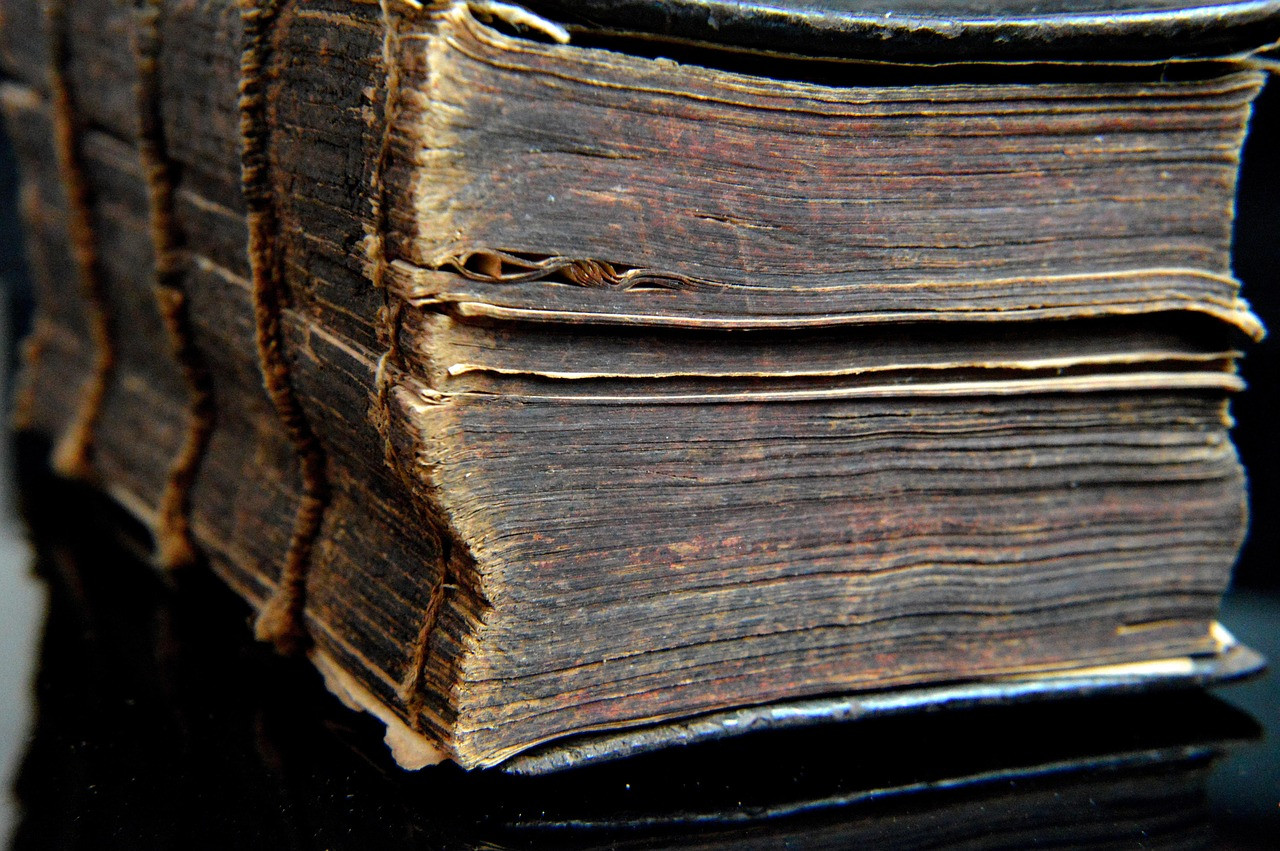
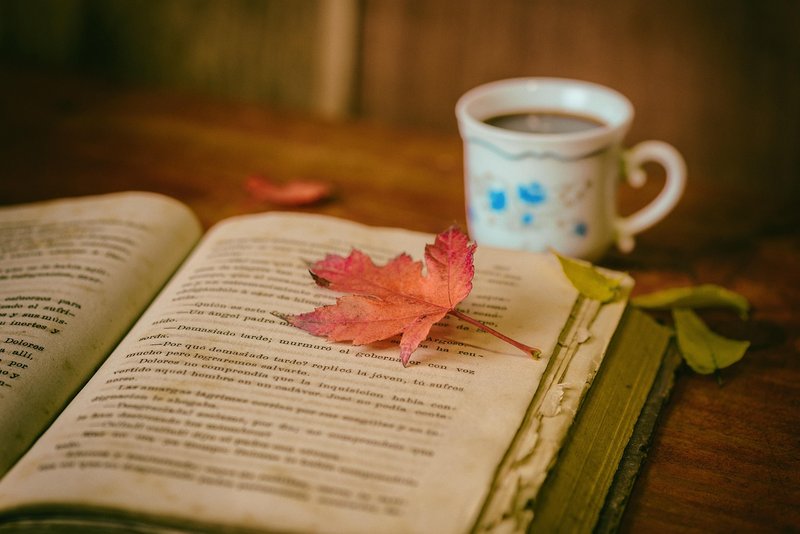
Representative image: AliceKeyStudio / Pixabay
Manuscripts of the Mahabharata, Arthashastra and Rajatarangini joined UNESCO's Memory of the World Asia-Pacific register, the Culture Ministry said on 5 November 2026.
What Happened
Manuscripts of three classical Indian works, the Mahabharata, Kautilya's Arthashastra and Kalhana's Rajatarangini, have been added to UNESCO's Memory of the World Asia-Pacific Regional Register, India's Ministry of Culture announced on Thursday, 5 November 2026. The decision was taken at the register committee's eleventh session in Jakarta, Indonesia, according to reports. The Indira Gandhi National Centre for the Arts (IGNCA), a cultural research body under the ministry, helped prepare the nomination dossiers. With these additions, India has six entries on the regional register.
Key Facts
- Works added: manuscripts of the Mahabharata, the Arthashastra attributed to Kautilya, and the Rajatarangini by Kalhana.
- Register: UNESCO's Memory of the World Asia-Pacific Regional Register, which recognises documentary heritage such as manuscripts and records.
- Announcement: by the Ministry of Culture on 5 November 2026, through the Press Information Bureau's account on X, with photographs of the UNESCO certificates.
- Session: the eleventh session of the regional committee, held in Jakarta, according to reports.
- Dossiers: prepared with the help of the Indira Gandhi National Centre for the Arts.
- India's total: six entries on the regional register, according to reports; earlier entries named include the Ramcharitmanas and the Panchatantra.
- Union Culture Minister Gajendra Singh Shekhawat welcomed the addition to India's presence in the regional documentary heritage register.
Why It Matters
UNESCO's Memory of the World programme is different from its better-known World Heritage list of monuments and places. It recognises documents: manuscripts, archives and other records whose loss would be a loss to human memory. The recognition here honours the physical manuscripts through which these works have survived, not only the texts themselves.
Each of the three works holds a distinct place in Indian knowledge. The Mahabharata is one of the two great epics of the Indian tradition. The Arthashastra is a classical treatise on statecraft, economics and administration, traditionally attributed to Kautilya. The Rajatarangini, written by Kalhana in Kashmir, is a chronicle of the kings of Kashmir.
Inclusion on the register can help with the practical work of preservation. It draws attention to the condition of old manuscripts, many of which are fragile, and can support efforts to conserve and digitise them so that scholars and students can study them without handling the originals. It also signals international recognition of India's documentary heritage at a time when the government is running a national mission to survey and digitise manuscripts.
For students of Indian Knowledge Systems, the listing is a reminder that these works are also historical documents, studied for language, law, administration and history, as well as for their cultural and religious meaning.
Peepals calculation: Adding three manuscripts takes India's entries on the regional register from three to six, according to the reported total, which doubles India's presence on the list (6 ÷ 3 = 2). The three works added this year make up half of India's six entries. Our calculation from the reported figures.
| Work | Author or tradition | What it is |
|---|---|---|
| Mahabharata | Epic tradition | One of India's two great epics |
| Arthashastra | Attributed to Kautilya | Classical treatise on statecraft and economics |
| Rajatarangini | Kalhana | Chronicle of the kings of Kashmir |
Impact
Short-term: The listing brings attention to the manuscripts and the institutions that hold them, and to the work of IGNCA in preparing nominations.
Long-term: Recognition may support funding and expertise for conserving and digitising these manuscripts, and encourage nominations of other Indian manuscripts to UNESCO registers.
Who is affected: Scholars and students of Indian history, philosophy and literature; libraries and institutions that hold the manuscripts; and the Ministry of Culture and IGNCA, which lead India's nominations.
Key Takeaway
UNESCO has added manuscripts of the Mahabharata, the Arthashastra and the Rajatarangini to its Memory of the World Asia-Pacific Regional Register, taking India's entries to six, the Culture Ministry announced on 5 November 2026.
Questions and Answers
Which Indian works were added to UNESCO's Memory of the World register in November 2026?
Manuscripts of the Mahabharata, Kautilya's Arthashastra and Kalhana's Rajatarangini were added to the Memory of the World Asia-Pacific Regional Register, announced on 5 November 2026.
What is the Memory of the World register?
It is a UNESCO programme that recognises documentary heritage, such as manuscripts and archives, rather than monuments or places.
Who prepared India's nominations?
The Indira Gandhi National Centre for the Arts helped prepare the nomination dossiers, according to reports.
How many Indian entries are on the regional register now?
Six, according to reports, including earlier entries such as the Ramcharitmanas and the Panchatantra.
Disclaimer: Prepared by the Peepals newsroom from publicly available sources with AI assistance. Information is accurate to the best of our knowledge at the time of publication and may change. Images may be representative. Not professional advice. Report an error via our contact page.
By Devansh Tiwari, Knowledge Systems WriterCovers Knowledge Systems and more for Peepals Sanskriti. All stories by Devansh Tiwari
Spices, edible oil lead Rs 63.45 crore festive food seizures in Maharashtra
FDA botanical drug comments close: AMA seeks trials, herbal makers defend route
Get the day's stories in your inbox
Peepals Weekly: the week decoded, free. One email a week, unsubscribe in one click.
Devansh Tiwari is a pen name of the Peepals Global Editorial Team, which researches, fact-checks and publishes every story. The portrait is an illustration.