
Older vegetarians gain strength from weight training, but less muscle: Dutch trial
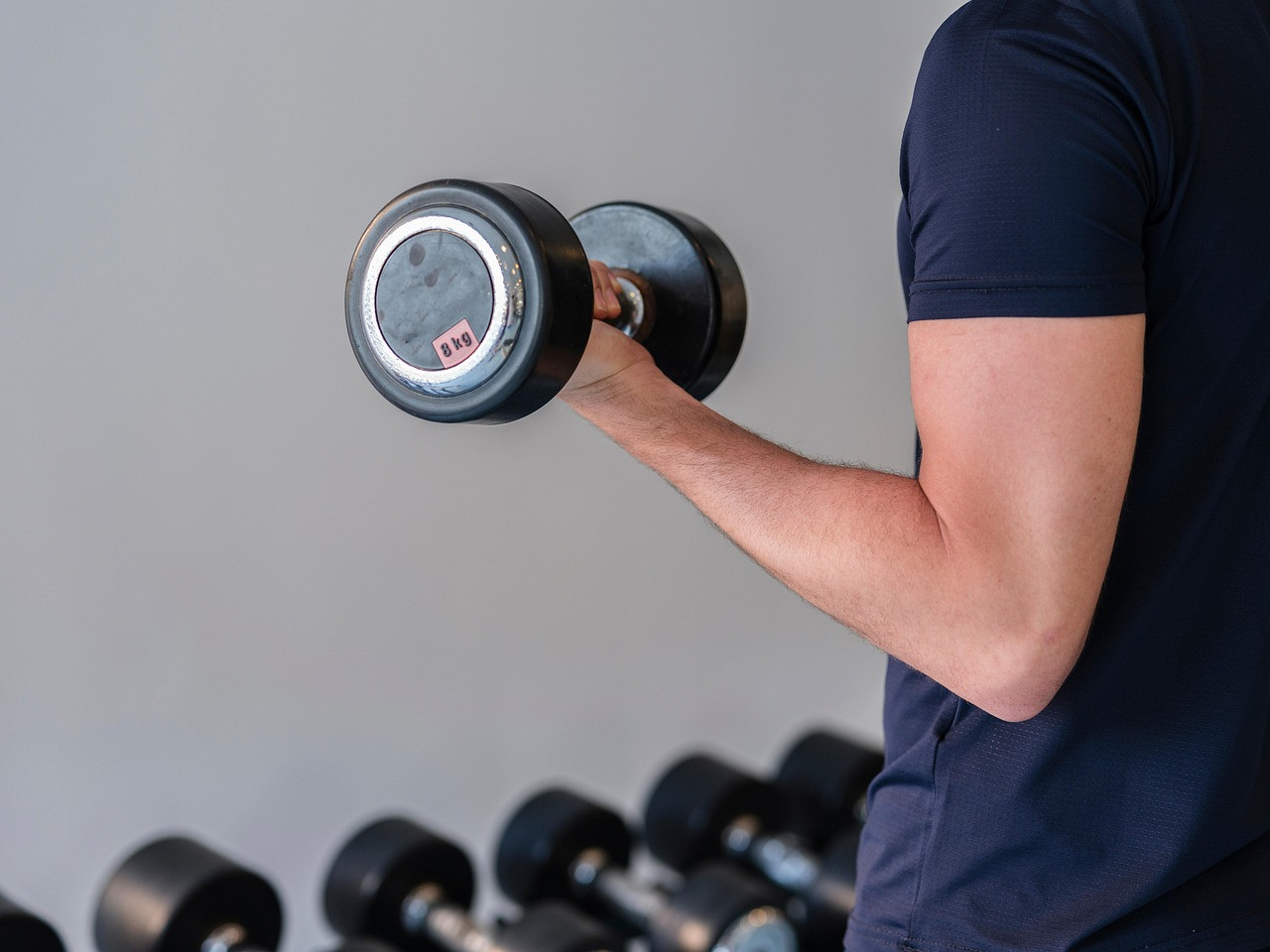
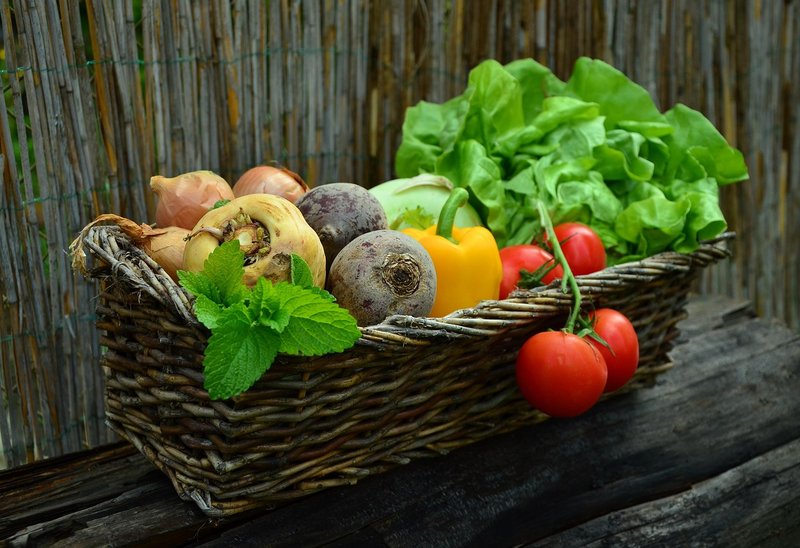
Representative image: Engin_Akyurt / Pixabay
A 12-week Dutch trial of 108 adults over 55 found vegetarians and meat-eaters gained similar strength from weight training, but vegetarians added less muscle.
What Happened
A randomised trial in the Netherlands has found that adults aged 55 and over gained strength and muscle from weight training whether they ate a mainly vegetarian or a mixed diet, but those on the mixed diet added more muscle mass. The IMPACT trial, run by researchers at the Amsterdam University of Applied Sciences and published in the American Journal of Clinical Nutrition, followed 108 older adults through 12 weeks of resistance training. Reports on the findings appeared in the week to 13 October 2026. The vegetarian group, which could eat eggs and dairy, ended up eating less protein, which the authors say may explain part of the gap.
Key Facts
- 108 adults aged 55 and older took part in the trial in Amsterdam, run between March 2024 and June 2025.
- Everyone did 12 weeks of resistance training, three sessions a week, and aimed for at least 1.2 grams of protein per kilogram of body weight a day.
- One group chose mainly plant protein (a lacto-ovo vegetarian diet, with eggs and dairy allowed); the other mainly animal protein.
- Both groups improved leg-press strength and the chair-rise test, with no clear difference between them.
- Muscle mass in the limbs rose by 0.38 kg in the vegetarian group and 0.66 kg in the omnivorous group.
- Protein intake was lower in the vegetarian group, and the trial could not show that the vegetarian diet was "non-inferior" for muscle mass.
Why It Matters
Losing muscle with age is one of the main reasons older people become frail, fall and lose independence. Strength training is the best-established way to slow that loss, and enough protein is what helps the body rebuild muscle after exercise. The question for vegetarian households is whether plant-heavy diets can supply enough.
This trial gives a reassuring answer and a practical warning. The reassuring part is that older vegetarians who trained got stronger and functioned better, just as meat-eaters did. Strength and everyday ability, such as getting up from a chair, are what matter most for independent living, and on those the diets performed alike.
The warning is about protein. Even when told to aim for a set target, the vegetarian group ate less protein, and gained less muscle. For many Indian families, whose traditional vegetarian meals lean heavily on rice, wheat and vegetables, that is a familiar gap. Traditional foods such as dal, rajma, chana, paneer, curd, milk, soya and, for those who eat them, eggs can close it, but they need to appear in every meal rather than as a small side dish.
The study has limits. It was small, ran for only three months, and the participants chose their own foods, so differences in protein quantity and quality are hard to separate. Its results apply to lacto-ovo vegetarians, not to strict vegans, who were not tested.
Impact
Short-term: Older vegetarians who want to stay strong can take the finding as encouragement to start strength training, while paying closer attention to protein at each meal.
Long-term: The trial adds to evidence that, with enough protein and regular training, plant-based eating can support healthy ageing, and points researchers towards how much protein older vegetarians really need.
Who is affected: Adults over 55, vegetarian families, people caring for elderly parents, fitness trainers and doctors advising older patients.
Key Takeaway
Older adults built strength on both vegetarian and mixed diets during 12 weeks of weight training, but vegetarians gained less muscle mass, likely because they ate less protein.
Questions and Answers
Can older vegetarians build muscle with exercise?
Yes. In this trial, adults aged 55 and over on a lacto-ovo vegetarian diet gained strength and some muscle mass after 12 weeks of resistance training.
Did meat-eaters do better?
They gained more muscle mass, 0.66 kg against 0.38 kg in the vegetarian group, but strength and function improved similarly in both groups.
Why did the vegetarians gain less muscle?
The vegetarian group ate less protein. The researchers say the cause is not certain, and protein intake is one likely factor.
What protein-rich foods fit a traditional Indian vegetarian diet?
Pulses such as dal, chana and rajma, along with milk, curd, paneer and soya, are common protein sources. Anyone with a health condition should check their protein needs with a doctor or dietitian.
Disclaimer: Prepared by the Peepals newsroom from publicly available sources with AI assistance. Information is accurate to the best of our knowledge at the time of publication and may change. Images may be representative. Not professional advice. Report an error via our contact page.
Sourced and fact-checked by the Peepals Global Editorial Team
Times Square Durga Utsav honours six US groups that kept the puja going for 50 years
UP digitises 15,890 manuscripts, 7.56 lakh pages under Gyan Bharatam Mission
Reported, fact-checked and published by the Peepals Global Editorial Team.