Meat-heavy 'sulfur microbial' diet linked to higher lung cancer risk in 95,612 adults

Representative image: Desertrose7 / Pixabay
A US study of 95,612 adults, reported October 13, 2026, links diets high in red and processed meat and low in whole grains and fruit to more lung cancer.
What Happened
A large study of 95,612 American adults, reported on Tuesday, October 13, 2026, has found that people whose diets most strongly favoured certain sulfur-processing gut bacteria were more likely to develop and die from lung cancer. This "sulfur microbial diet" is rich in red and processed meat, refined foods and high-fat dairy, and low in whole grains, fruit and yellow vegetables. Those with the highest scores had about 23% higher risk of being diagnosed with lung cancer and about 19% higher risk of dying from it than those with the lowest scores. The researchers caution that the link weakened when overall diet quality was taken into account and that the study cannot prove cause and effect.
Key Facts
- The study drew on 95,612 adults from the US Prostate, Lung, Colorectal and Ovarian (PLCO) Cancer Screening Trial, who were aged 55 to 74 when they enrolled between 1993 and 2001.
- Diet was scored from a 124-item food questionnaire using 25 weighted food groups, not by testing stool bacteria.
- The top-scoring group had about 23% higher lung cancer incidence and 19% higher lung cancer mortality than the lowest.
- Crude lung cancer rates rose from 1.20 per 1,000 person-years in the lowest group to 3.03 in the highest.
- The highest-scoring group also smoked more and had more diabetes and high blood pressure.
- The associations weakened after adjusting for overall diet quality and other causes of death.
Why It Matters
Most people link lung cancer with smoking and air pollution, and rightly so: those remain the main causes. This study adds to growing interest in whether diet, through its effect on gut bacteria, can also nudge cancer risk. The diet score used here is designed to capture foods thought to feed gut bacteria that process sulfur.
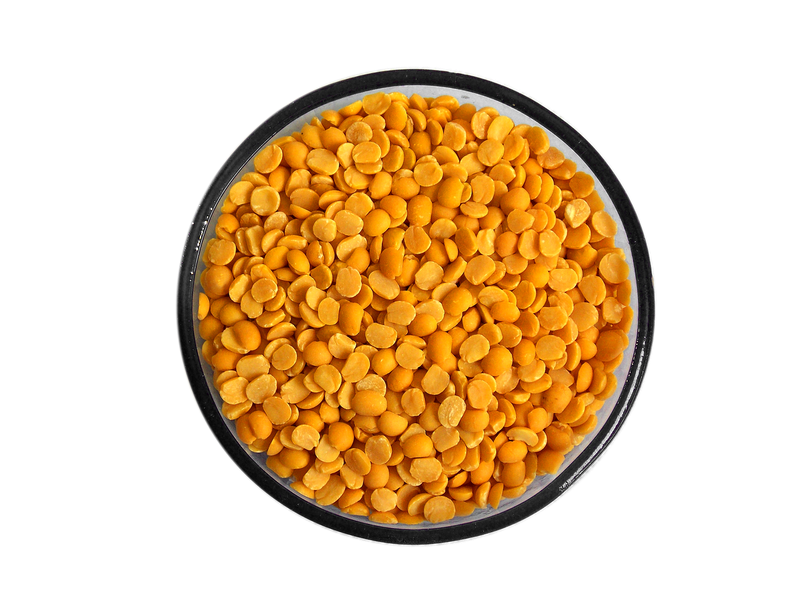
For Indian readers, the "low-risk" end of the scale will look familiar. Traditional Indian meals built on whole grains, dal, vegetables and fruit sit at the opposite end from a diet of processed meats and refined foods. The study does not test Indian diets, but it fits a long line of research suggesting that fibre-rich, mostly plant-based eating is better for long-term health.
The limits are important. This is an observational study: it found a pattern, not a cause. People with the highest scores also smoked more and had more chronic illness, and although the researchers adjusted for these, some of the link may come from general unhealthy habits. When the analysis accounted for overall diet quality, the association became weaker, which suggests the specific "sulfur" pattern may matter less than simply eating poorly. Participants were older Americans recruited decades ago, so results may not apply equally to younger people or other populations.
| Diet score group | Crude lung cancer rate (per 1,000 person-years) |
|---|---|
| Lowest | 1.20 |
| Highest | 3.03 |
Impact
Short-term: The findings give one more reason to limit processed meat and refined foods, but they do not change the main advice on lung cancer, which is to avoid tobacco smoke and polluted air.
Long-term: If confirmed in other populations and with direct gut-bacteria measurements, diet could become a modest part of lung cancer prevention advice.
Who is affected: Adults interested in diet and cancer risk, especially older people, and doctors and nutritionists advising on prevention.
Key Takeaway
A diet heavy in processed meat and low in whole grains and fruit was linked to more lung cancer in 95,612 US adults, though the link weakened once overall diet quality was counted.
Questions and Answers
What is a sulfur microbial diet?
It is a diet score that reflects foods which feed sulfur-processing gut bacteria; high scores mean more red and processed meat, refined foods and high-fat dairy, and fewer whole grains, fruit and yellow vegetables.
Does eating meat cause lung cancer?
The study does not show that. It found an association in an observational study, and the link weakened when overall diet quality was taken into account; smoking remains the main cause of lung cancer.
How big was the study?
It covered 95,612 adults from the US PLCO Cancer Screening Trial, aged 55 to 74 at enrolment.
What does this mean for everyday eating?
It adds to evidence that meals based on whole grains, pulses, vegetables and fruit, with less processed meat and refined food, are a sensible choice for long-term health.
Disclaimer: Prepared by the Peepals newsroom from publicly available sources with AI assistance. Information is accurate to the best of our knowledge at the time of publication and may change. Images may be representative. Not professional advice. Report an error via our contact page.
Sourced and fact-checked by the Peepals Global Editorial Team
XFG 'American Covid' not more severe, UK agency says as autumn cases rise
Kashi Tamil Sangamam 5.0 to pick 1,000 students for Thirukkural study; signup Oct 15
Reported, fact-checked and published by the Peepals Global Editorial Team.