XFG 'American Covid' not more severe, UK agency says as autumn cases rise
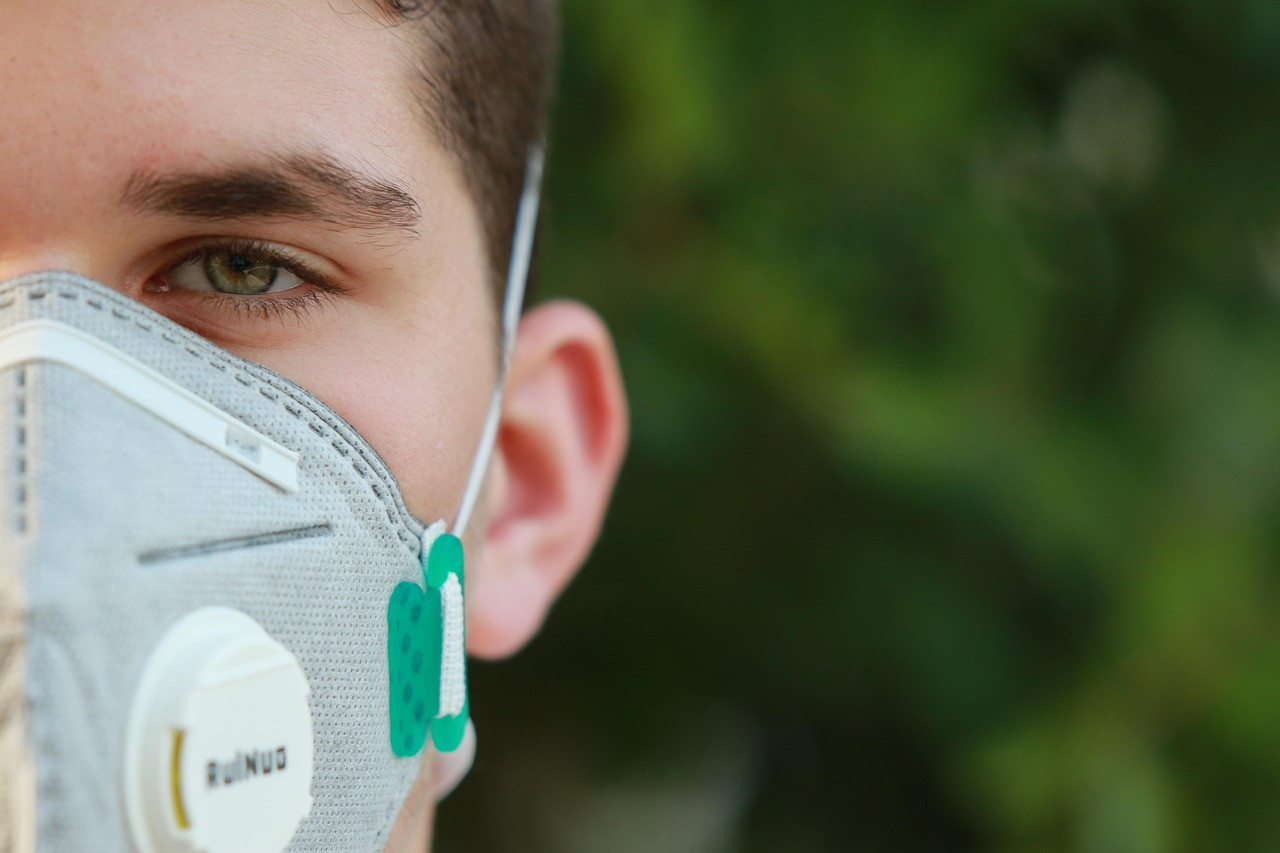
Representative image: OrnaW / Pixabay
UKHSA said on October 8, 2026 that XFG remains the top Covid variant; admissions rose about 50% in September, but there is no sign of more severe illness.
What Happened
The UK Health Security Agency said on October 8, 2026 that XFG, the COVID-19 variant some media have called "Stratus" or "American Covid", remains the most common variant in the UK, as infections and hospital admissions rise with the arrival of autumn. The agency said positive test rates rose to around 7% in September and hospital admission rates went up by about 50% over the same period, but that current data does not show the circulating variants causing more severe illness than earlier ones. It linked the rise to the season and to the fact that roughly a year has passed since the last significant COVID-19 wave.
Key Facts
- XFG remains the most common COVID-19 variant in the UK, according to the agency's update of October 8, 2026.
- The variant is not new: it has been circulating in the UK and other countries for around a year.
- COVID-19 positive test rates rose to around 7% in September, and hospital admission rates rose by about 50% over the same period.
- The agency said the rise is seen across England, Scotland, Wales and Northern Ireland, and also across Europe and the United States.
- Current data does not indicate that the circulating variants cause more severe illness.
- The agency pointed to colder, wetter weather that keeps people indoors, and to the time since the last major wave, as likely drivers.
- A more heavily mutated lineage, BA.3.2, is being monitored, with the current public health risk rated low on limited evidence.
Why It Matters
The nickname "American Covid" has spread quickly online and made the rise sound like the arrival of a new and frightening strain. The agency's update corrects that impression. XFG has been around for about a year, and the main reason more people are falling ill now is the familiar autumn pattern: people spend more time indoors, and about a year has passed since the last big wave. Hospital numbers are rising because more people are infected, not, on current evidence, because the virus has become more dangerous.
That distinction matters for everyday decisions. A more severe variant would call for new precautions. A seasonal rise of a familiar variant calls for the ordinary habits that reduce the spread of all respiratory infections: staying home when unwell, keeping rooms aired, washing hands, and taking extra care around older relatives and people with weak immunity. These are the same simple practices of cleanliness and rest that many households already follow during the change of seasons.
Europe's medicines regulator has recommended that COVID-19 vaccines for the 2026-27 season be updated to target XFG, which shows how firmly this lineage has settled in. The same body noted that its advice could change if BA.3.2 spreads further. For now, health agencies are watching that lineage closely rather than raising an alarm.
For Indian readers, the UK figures are a guide to the global pattern rather than a statement about India. The update does not include Indian data. It is, however, a reminder that a festive season of crowded gatherings, travel and shared meals is also a time when coughs and colds pass easily between people, and that sensible precautions protect the elderly members of a household most of all.
| Measure | What the UK agency reported |
|---|---|
| Most common variant | XFG, circulating for about a year |
| Positive test rate | Rose to around 7% in September |
| Hospital admission rates | Up by about 50% over the same period |
| Severity | No sign of more severe illness than other variants |
| Variant under watch | BA.3.2, risk currently rated low |
Impact
Short-term: More people are likely to catch COVID-19 and other respiratory infections through the autumn, with more pressure on hospitals in countries reporting a rise.
Long-term: Updated vaccines targeting XFG and continued tracking of BA.3.2 will shape how well countries handle the coming winter seasons.
Who is affected: Older adults, people with weakened immunity or long-term illness, their carers and families, and travellers to and from countries seeing a rise in cases.
Key Takeaway
XFG is a familiar variant behind a seasonal rise in COVID-19 cases, not a new or more dangerous strain, so ordinary precautions and care for vulnerable family members remain the right response.
Questions and Answers
What is the "American Covid" variant?
It is a nickname some media have given to XFG, also called "Stratus". The UK Health Security Agency says XFG is the most common COVID-19 variant in the UK and has been circulating for around a year, so it is not new.
Is the XFG variant more dangerous than earlier variants?
Current data does not show that it causes more severe illness. The UK agency says hospital admissions are rising because more people are being infected, not because the variant makes people sicker.
Why are COVID-19 cases rising in October 2026?
The UK agency points to colder, wetter weather that keeps people indoors, where respiratory viruses spread easily, and to the roughly one year that has passed since the last significant wave.
What is BA.3.2 and should people worry about it?
BA.3.2 is a heavily mutated lineage descended from an earlier Omicron branch. Health agencies are monitoring it, and the UK agency currently rates the public health risk as low, though evidence is still limited.
Disclaimer: Prepared by the Peepals newsroom from publicly available sources with AI assistance. Information is accurate to the best of our knowledge at the time of publication and may change. Images may be representative. Not professional advice. Report an error via our contact page.
Sourced and fact-checked by the Peepals Global Editorial Team
A daily handful of walnuts made older adults' diets less inflammatory: 2-year trial
Meat-heavy 'sulfur microbial' diet linked to higher lung cancer risk in 95,612 adults
Reported, fact-checked and published by the Peepals Global Editorial Team.