
Fermented protein foods may help muscles through the gut, review says, but proof is thin

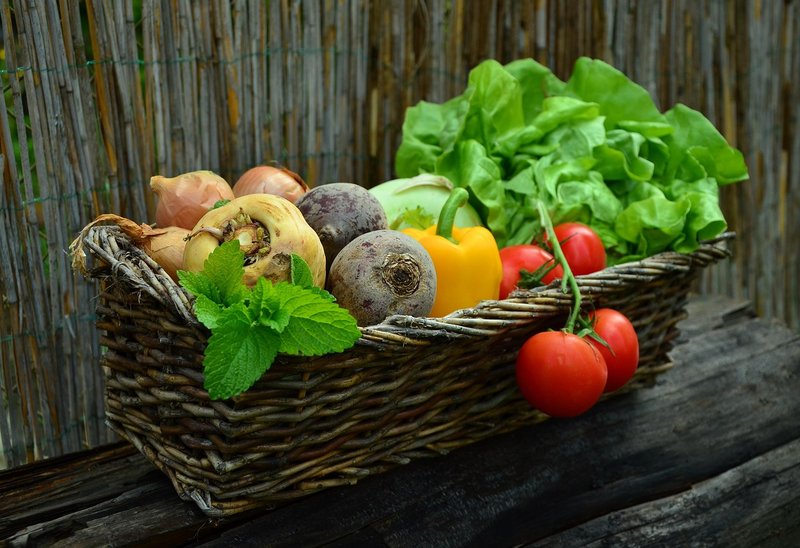
Representative image: ponce_photography / Pixabay
A 2026 review in Communications Biology, publicised on October 9, says fermented protein foods may aid muscle health via the gut, but direct human evidence is still limited.
What Happened
Fermented protein foods could support muscle health by working through the gut, but the direct evidence in people is still limited, according to a review published in 2026 in the journal Communications Biology and explained by its authors in an article published on October 9, 2026. The review examines the "gut-muscle axis", the two-way link between the bacteria and chemistry of the gut and the health of skeletal muscle. It finds that human studies of fermented protein foods point to benefits for metabolism, inflammation and gut bacteria, while proof that they increase muscle building, muscle mass or strength has not yet been established.
Key Facts
- The review appeared in Communications Biology, a Nature Portfolio journal, in 2026; the authors' explainer was published on October 9.
- It focuses on fermented protein foods, such as fermented dairy, rather than fermented foods in general.
- Fermentation can change how protein is digested, how quickly amino acids are released, and which peptides and other compounds the food contains.
- Human studies suggest favourable effects on metabolic regulation, inflammation and gut microbial ecology.
- Direct evidence that these foods change muscle protein synthesis, muscle mass or muscle function remains limited, and studies vary widely in design.
- The link runs both ways: muscles also release signalling molecules that can affect the gut.
Why It Matters
Keeping muscle with age matters for strength and independence in later life. Most advice focuses on eating enough protein and staying active. This review asks a further question: does it matter what form the protein comes in, and can fermentation make it more useful to the body through effects on the gut?
The question has a natural link to Indian kitchens. Many everyday foods in Indian homes are fermented: curd and buttermilk, and batters such as those used for idli and dosa, which combine grains with protein-rich lentils. The review does not test any particular Indian dish, but it offers a scientific framework for studying whether such foods do more for the body than their unfermented ingredients.
Readers should keep the conclusions in proportion. The review is a summary of existing research, not a new trial, and its authors say the key test is still missing: studies that compare a fermented protein food with the same amount of protein in unfermented form and measure muscle directly. Until then, fermented foods are best seen as one part of a balanced diet that includes enough protein and regular physical activity, not as a muscle-building shortcut.
| What the review found | Strength of evidence |
|---|---|
| Effects on metabolism and inflammation | Suggestive, from human studies |
| Effects on gut bacteria | Suggestive, from human studies |
| Effects on muscle mass and strength | Limited; direct proof still needed |
Impact
Short-term: The review is likely to encourage nutrition researchers to design trials that compare fermented and unfermented protein foods head to head.
Long-term: If those trials show a benefit, fermented protein foods could become part of advice for healthy ageing and for preventing muscle loss in older adults.
Who is affected: Older adults and people at risk of muscle loss, athletes and fitness enthusiasts, dietitians, food companies, and households that rely on traditional fermented foods.
Key Takeaway
Fermented protein foods may help muscles by way of the gut, a new review says, but the direct evidence is not yet in, so they should complement rather than replace protein and exercise.
Questions and Answers
What is the gut-muscle axis?
It is the two-way connection between the gut, including its bacteria and the chemicals they produce, and the health of skeletal muscle. Signals travel from the gut to muscle and from muscle back to the gut.
Do fermented foods build muscle?
Not proven. The review found human evidence of benefits for metabolism, inflammation and gut bacteria, but direct evidence of effects on muscle mass or strength remains limited.
How does fermentation change protein foods?
Fermentation can change how easily protein is digested, how quickly amino acids are released and which peptides and other compounds the food contains.
Where was the review published?
In Communications Biology, a Nature Portfolio journal, in 2026. Its authors explained the findings in an article published on October 9, 2026.
Disclaimer: Prepared by the Peepals newsroom from publicly available sources with AI assistance. Information is accurate to the best of our knowledge at the time of publication and may change. Images may be representative. Not professional advice. Report an error via our contact page.
Sourced and fact-checked by the Peepals Global Editorial Team
Yoga before obesity surgery linked to lower stress hormone in small Italian study
London Durga Puja to honour Akashvani centenary at Ealing festival, October 16-18
Reported, fact-checked and published by the Peepals Global Editorial Team.