
J&K food safety drive: 213 samples, mostly edible oils, sent for tests
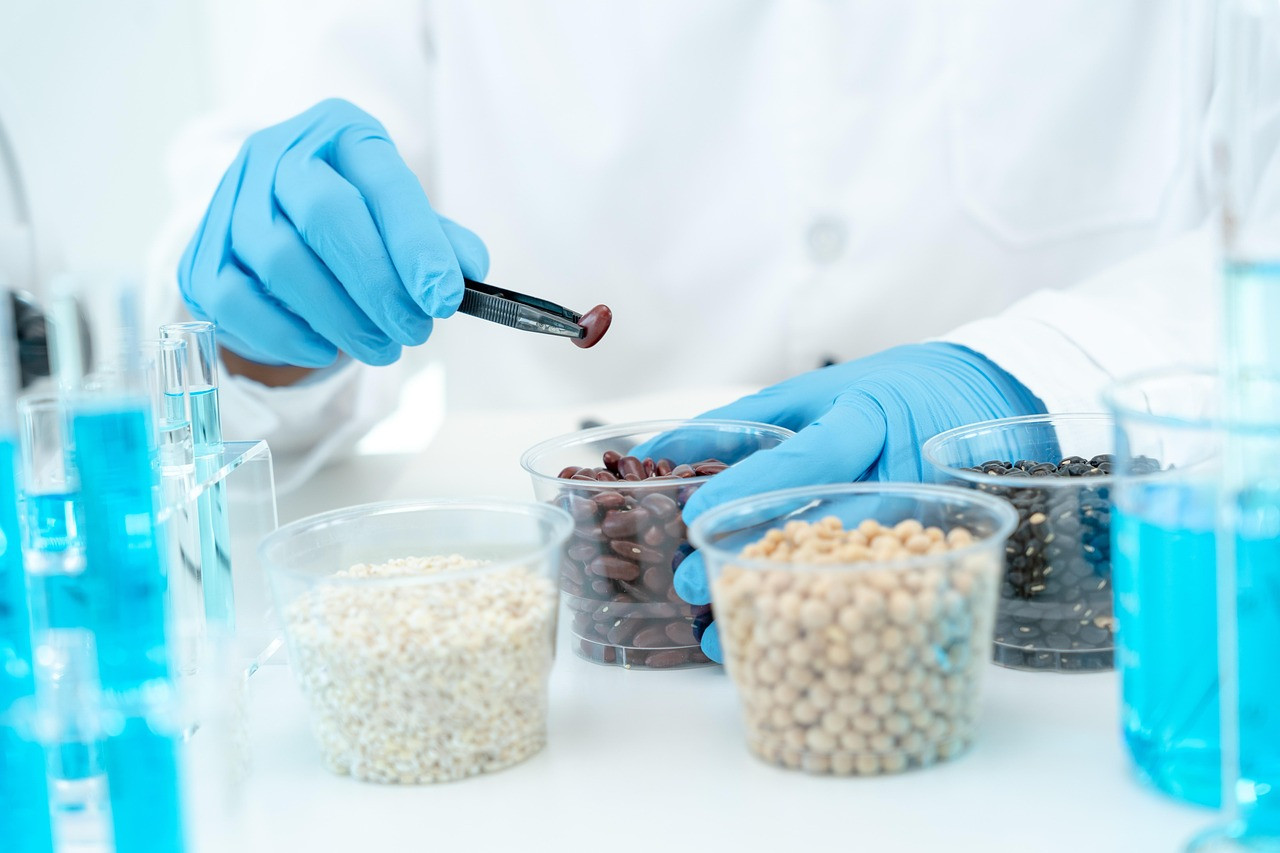
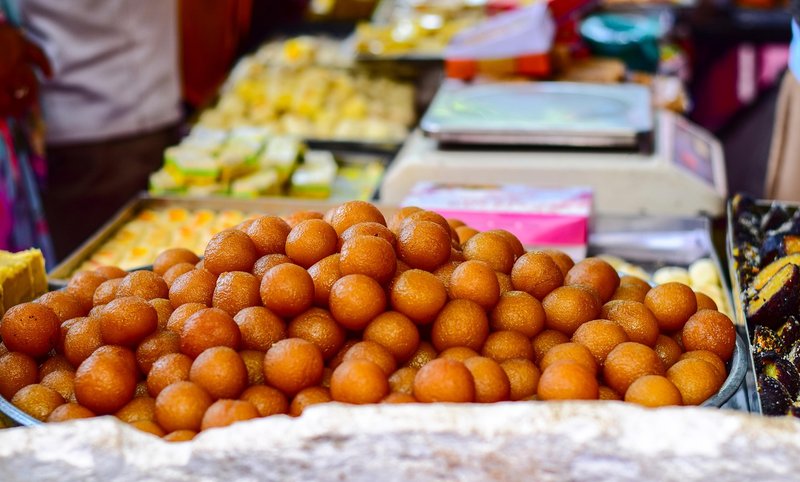
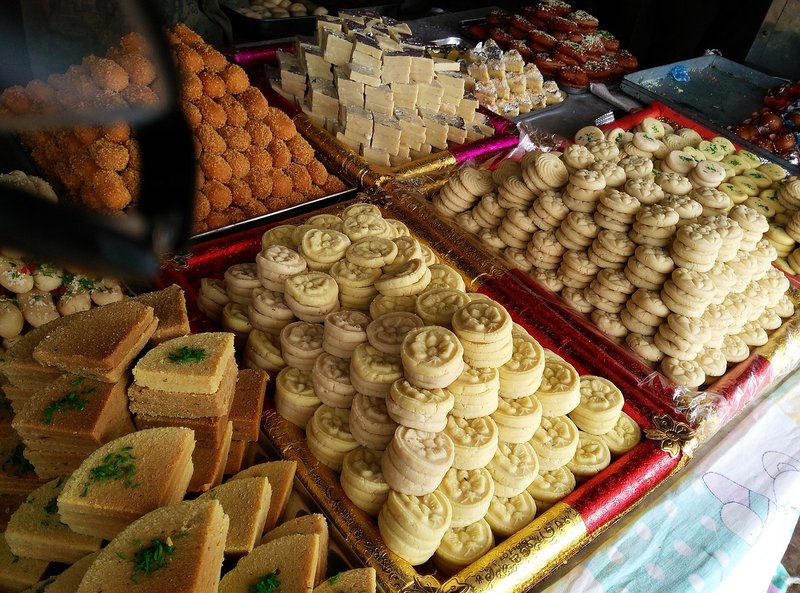
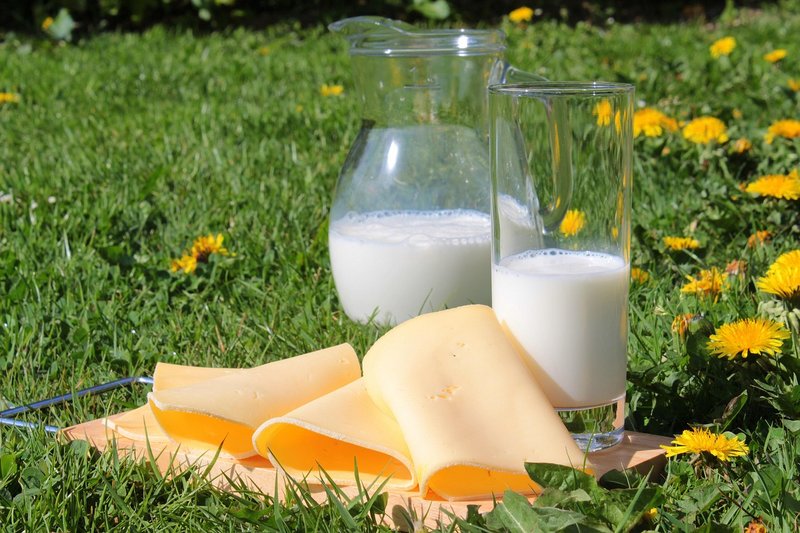
Representative image: chaiyananuwatmongkolchai / Pixabay
Jammu and Kashmir's FDA has made 274 inspections and sent 213 food samples, 119 of them edible oils, for testing before Diwali, it said on October 22, 2026.
What Happened
The Food and Drugs Administration (FDA) of Jammu and Kashmir has carried out 274 inspections and collected 213 food samples for laboratory testing in a festive-season enforcement drive across all districts of the Union Territory, the department said on October 22, 2026. Edible oils make up more than half of the samples, followed by sweets, paneer, ghee and khoya. The department has not yet released laboratory results or said whether any violations were found.
Key Facts
- Inspections carried out: 274, across all districts of Jammu and Kashmir.
- Samples collected for testing: 213.
- By product: 119 edible oil samples, 11 sweets, seven paneer, six ghee and three khoya, besides samples of other food products.
- The drive focuses on items in high demand during festivals: milk and milk products, sweets and edible oils.
- Laboratory findings have not been disclosed, and the department did not say whether violations were detected.
- The department said violations would be dealt with under the law, meaning the Food Safety and Standards Act, 2006, and that inspections and sampling will continue.
- Similar drives are under way elsewhere: Karnataka's food safety department inspected 80 sweet units and collected 125 samples in mid-October, and Delhi's food safety officials found hygiene lapses at sweet shops on October 20 and 21.
Why It Matters
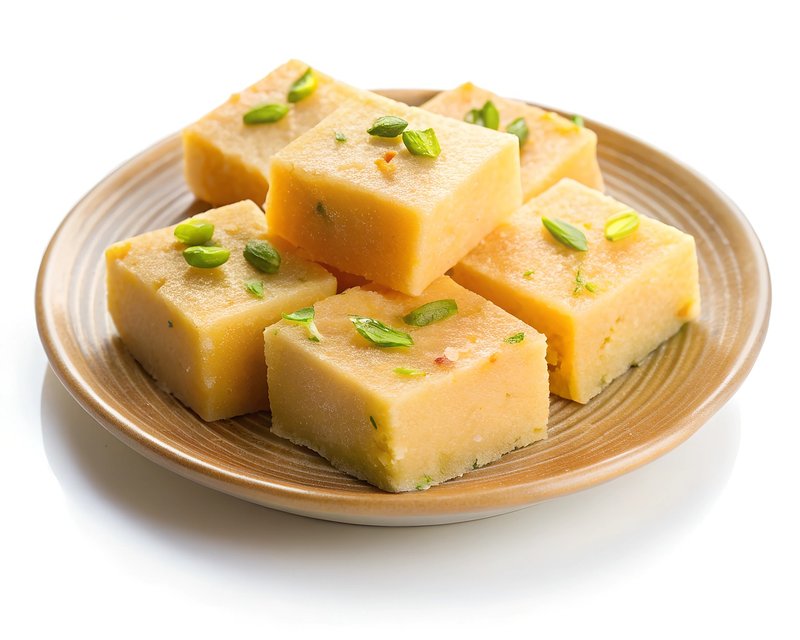
Indian festivals are built around food: sweets made from milk, khoya and ghee, and fried snacks cooked in large quantities of oil. Food safety officials in several states have stepped up checks on these items in the weeks before Diwali, when households buy them in larger quantities than usual.
The make-up of the J&K samples is telling. Edible oils, with 119 of the 213 samples, are the single biggest category. Oil is used in almost every household kitchen and in most sweet and snack shops, so its quality affects far more people than any single sweet. Milk products such as paneer, ghee and khoya are the other main targets; they are perishable and need cold storage from the dairy to the shop counter.
A sample drive is only the first step. The samples go to a food laboratory, and action against a seller depends on what the tests find. Until the department publishes the results, the numbers show how wide the checking has been, not how much unsafe food was found. Readers should watch for the results rather than treat the drive itself as evidence of a problem.
The drive also fits a wider national pattern. In Karnataka, inspectors visited 80 sweet makers and sellers and issued notices to 10 units. In Delhi, officials reported insects in storage areas and staff handling food without gloves at several sweet shops, and sent samples of khoya, barfi, milk cake and laddoos for testing. Each state runs its own drives under the same national law.
| State or UT | Inspections | Samples collected |
|---|---|---|
| Jammu and Kashmir (reported Oct 22) | 274 | 213 |
| Karnataka (mid-October) | 80 establishments | 125 |
Impact
Short-term: Sweet shops, dairies and oil sellers in Jammu and Kashmir can expect more inspections in the run-up to Diwali, and sellers whose samples fail laboratory tests face action under the Food Safety and Standards Act.
Long-term: Regular festive sampling, if its results are published, gives consumers better information about which products are most often found unsafe, and pushes sellers to keep supply and storage standards up through the year, not only in festival weeks.
Who is affected: Households buying sweets, oil and milk products for the festive season; sweet makers, dairy businesses and grocers in all districts of Jammu and Kashmir; and the Union Territory's food testing laboratories, which must process the samples.
Key Takeaway
Jammu and Kashmir's FDA has inspected 274 outlets and sent 213 food samples, mostly edible oils, for testing before Diwali, but has not yet said what the tests found.
Questions and Answers
What did the J&K FDA festive-season drive find?
As of October 22, 2026, the Food and Drugs Administration of Jammu and Kashmir had carried out 274 inspections and collected 213 food samples. It has not released laboratory results or said whether any violations were detected.
Which foods were sampled in Jammu and Kashmir?
The largest share was edible oils, with 119 samples. The department also collected 11 samples of sweets, seven of paneer, six of ghee and three of khoya, besides other food products.
What happens if a sample fails the test?
The department said violations would be dealt with in accordance with the law. Food safety in India is governed by the Food Safety and Standards Act, 2006, under which sellers of unsafe or substandard food can face penalties.
Are other states running similar food safety drives before Diwali?
Yes. Karnataka inspected 80 sweet manufacturing and sales units and collected 125 samples in mid-October, issuing notices to 10 units, and Delhi's food safety officials found hygiene lapses at sweet shops on October 20 and 21.
Disclaimer: Prepared by the Peepals newsroom from publicly available sources with AI assistance. Information is accurate to the best of our knowledge at the time of publication and may change. Images may be representative. Not professional advice. Report an error via our contact page.
Sourced and fact-checked by the Peepals Global Editorial Team
Iodine deficiency day: officials urge iodised salt, under 5 g daily
WHO at World Health Summit: integrate traditional medicine, but with evidence
Reported, fact-checked and published by the Peepals Global Editorial Team.