
Iodine deficiency day: officials urge iodised salt, under 5 g daily
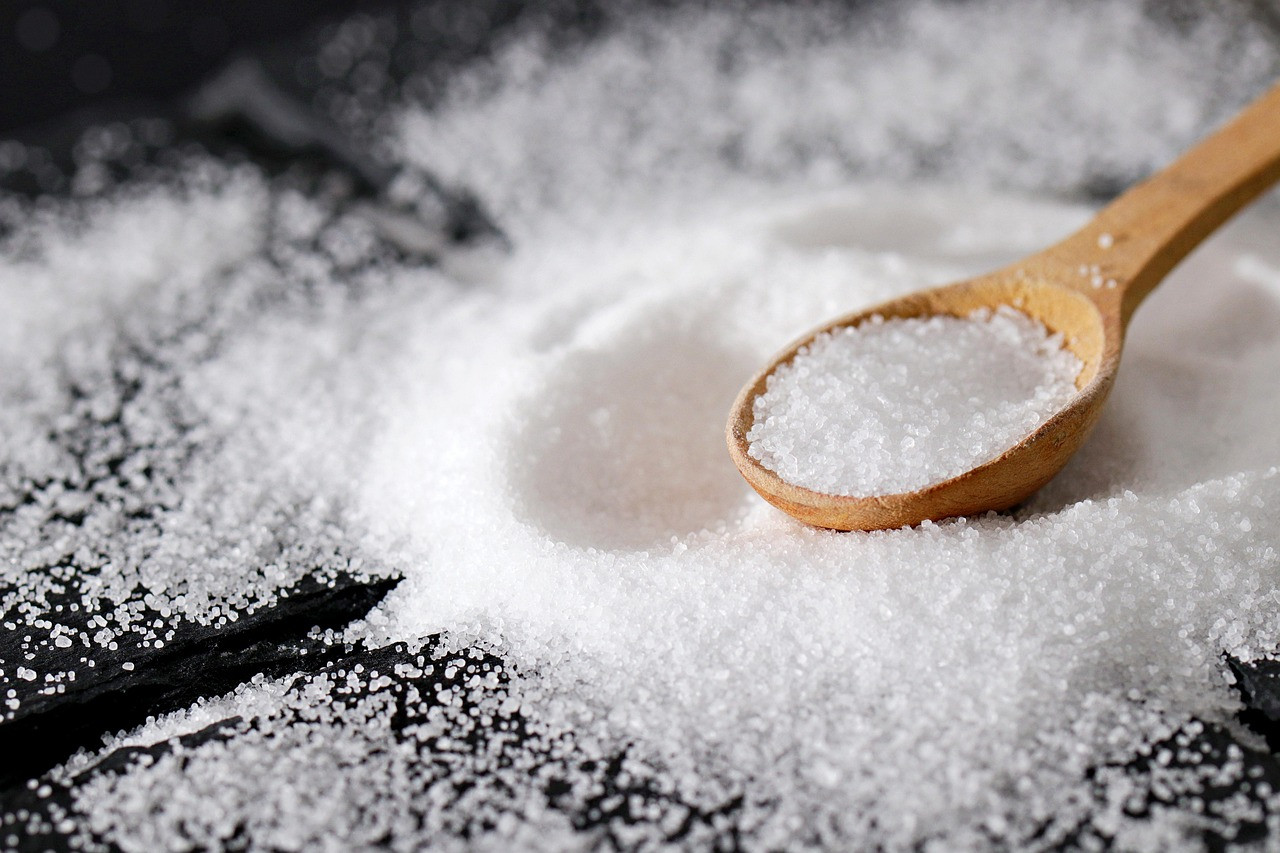
Representative image: mkupiec7 / Pixabay
On October 21, 2026, health officials urged iodised salt in daily meals but under 5 g of salt a day; about a quarter of households lack adequately iodised salt.
What Happened
Health officials marked Global Iodine Deficiency Disorders Prevention Day on Wednesday, October 21, 2026, with awareness drives urging families to use iodised salt in daily cooking, and to keep total salt intake low. In Nandyal district of Andhra Pradesh, District Medical and Health Officer Dr M. Sharadabai led an awareness rally with staff of the District Immediate Treatment Centre and directed ASHA, Anganwadi and health workers to step up awareness work in the field. The Union Ministry of Health and Family Welfare advised citizens to choose iodised salt and use it in moderation, according to a report of its message for the day.
Key Facts
- Global Iodine Deficiency Disorders Prevention Day is observed every year on October 21; in 2026 it fell on a Wednesday.
- In Nandyal, Dr M. Sharadabai warned that iodine deficiency harms thyroid function, especially in pregnant women and young children, and can cause goitre and impaired mental growth, according to a local report.
- She advised quality iodised salt in daily meals while keeping total salt intake under five grams a day.
- India's National Family Health Survey (NFHS-5, 2019-21) found 94.3% of households using iodised salt with any iodine content.
- The India Iodine Survey 2018-19 found that only 76.3% of households used adequately iodised salt (at least 15 parts per million of iodine); 92.4% used salt with at least 5 parts per million.
- India's National Iodine Deficiency Disorders Control Programme (NIDDCP) monitors iodised salt quality at production, distribution and household levels, with surveys, laboratory testing and awareness campaigns run by states and Union Territories.
Why It Matters
Salt is in every Indian kitchen and in almost every dish, which makes it the carrier India uses for iodine, a mineral the thyroid gland needs to work properly. According to health officials speaking on the day, the effects are most serious for pregnant women and young children, in whom deficiency can affect growth and brain development, and it can also cause goitre, a swelling of the thyroid gland in the neck.
The national numbers show both success and a gap. Nearly every household, 94.3% in the last National Family Health Survey, uses salt with some iodine in it. But the more demanding measure, salt with enough iodine to meet the body's needs, was found in about three in four households in the India Iodine Survey of 2018-19. That leaves roughly a quarter of households short of the adequate level, which is why the national programme checks salt quality not only at the factory but also in shops and homes.
The advice on the day also carried a second message that is easy to miss: use iodised salt, but not more salt. Officials in Nandyal stressed keeping total intake below five grams a day, and the health ministry's message urged moderation. The two goals fit together: the aim is better salt, not more of it.
| Measure | Survey | Share of households |
|---|---|---|
| Iodised salt (any iodine) | NFHS-5, 2019-21 | 94.3% |
| Adequately iodised salt (15 ppm or more) | India Iodine Survey, 2018-19 | 76.3% |
| Salt with at least 5 ppm iodine | India Iodine Survey, 2018-19 | 92.4% |
Impact
Short-term: District health teams in places such as Nandyal will carry the iodine message through ASHA and Anganwadi workers to homes and schools in the coming weeks.
Long-term: Closing the gap between households that use some iodised salt and those that get enough iodine depends on the quality checks the national programme runs at production, distribution and household levels.
Who is affected: Pregnant women and young children most of all; households still without adequately iodised salt; salt producers and traders, whose product quality is checked under the national programme; and front-line health workers who deliver the awareness campaigns.
Key Takeaway
On Iodine Deficiency Disorders Prevention Day, officials urged Indians to use iodised salt but keep total salt under five grams a day, as surveys show about one household in four still lacks adequately iodised salt.
Questions and Answers
When is Global Iodine Deficiency Disorders Prevention Day?
It is observed every year on October 21. In 2026 it fell on Wednesday, October 21, and health departments held awareness rallies and sessions on the use of iodised salt.
How many Indian households use iodised salt?
The National Family Health Survey 2019-21 (NFHS-5) found 94.3% of households using salt with some iodine. The India Iodine Survey 2018-19 found 76.3% using adequately iodised salt, meaning at least 15 parts per million of iodine.
Why is iodine important?
Iodine is needed for the thyroid gland to work properly. Health officials say deficiency can cause goitre and can affect growth and mental development, with pregnant women and young children most at risk.
How much salt should a person eat a day?
Health officials in Nandyal advised keeping total salt intake under five grams a day while using iodised salt. Anyone with a thyroid condition or high blood pressure should follow their doctor's advice.
Disclaimer: Prepared by the Peepals newsroom from publicly available sources with AI assistance. Information is accurate to the best of our knowledge at the time of publication and may change. Images may be representative. Not professional advice. Report an error via our contact page.
Sourced and fact-checked by the Peepals Global Editorial Team
Rs 93.94 crore plan to redevelop Kharar's Maharaja Ajj Sarovar approved
J&K food safety drive: 213 samples, mostly edible oils, sent for tests
Reported, fact-checked and published by the Peepals Global Editorial Team.