
Delhi sweet shop inspections find pests, poor hygiene before Diwali
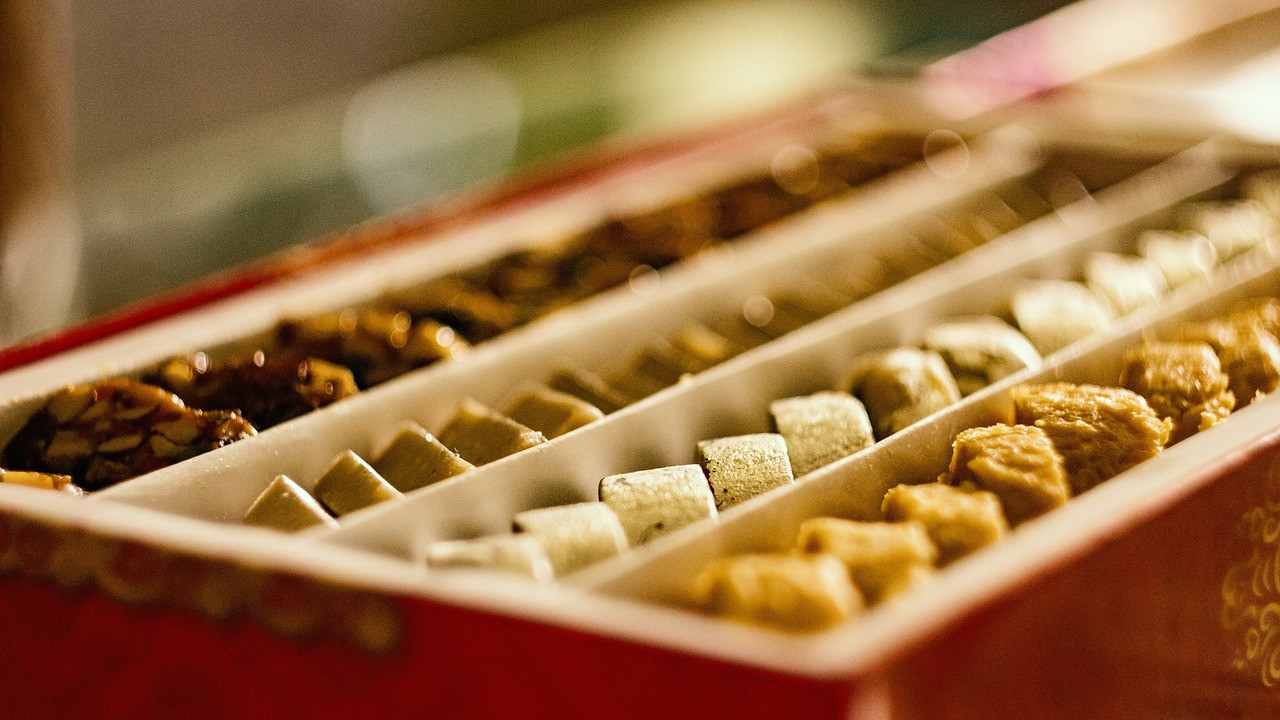
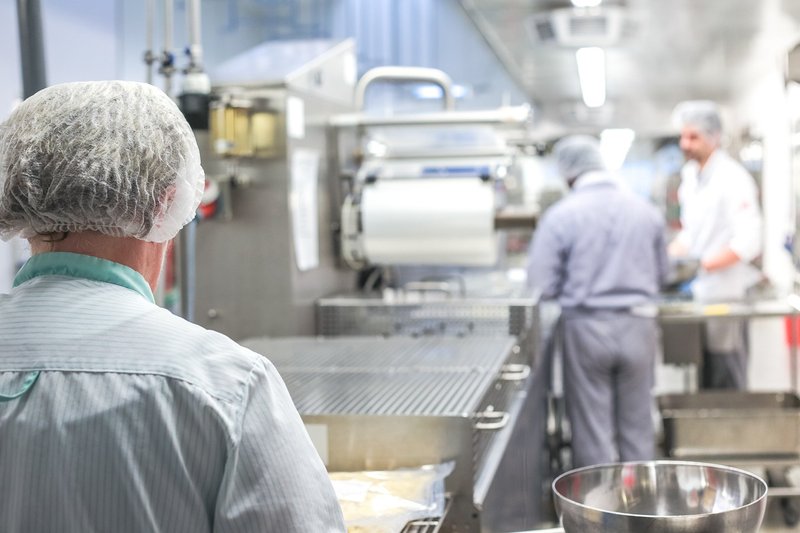
Representative image: shantanukashyap / Pixabay
Delhi's Food Safety Department found pests and hygiene lapses at sweet shops before Diwali and sent khoya, barfi and rasmalai samples for tests, officials said Oct 20, 2026.
What Happened
Delhi's Food Safety Department has found pests, poor cleanliness and missing paperwork at several sweet shops and sweet-making units during inspections ahead of the festive season, officials said on Tuesday, October 20, 2026. Inspectors collected samples of khoya, barfi, rasmalai, boondi laddoos, milk cake and kaju bites for laboratory testing, and the department said further action would depend on the test reports. Chief Minister Rekha Gupta said there would be no compromise on citizens' health during the celebrations.
Key Facts
- Who: the Food Safety Department of the Delhi government, acting on the directions of Chief Minister Rekha Gupta.
- When: inspections reported on October 20 and 21, 2026, in the run-up to Diwali.
- Where: shops and manufacturing units in areas including Chandni Chowk, Okhla Phase II, Naraina, Hastsal (Vidya Vihar), Uttam Nagar, Narela and Badli.
- Lapses found: signs of pests in storage areas, staff handling food without gloves, no insect-proof mesh on windows at some premises, poor cleanliness, missing water-testing reports, licence details not displayed, weak food-handler training and improper labelling.
- Samples taken: khoya, barfi, rasmalai, rasbhari, boondi, boondi laddoos, milk cake, kaju bites and ghee, among others.
- Next step: the department said action would follow once laboratory results are in. No results or penalties had been announced at the time of writing.
Why It Matters
Indian festival food leans heavily on a few ingredients that spoil easily or are easy to cheat with: khoya (milk reduced slowly over heat until it thickens), chhena (fresh curds), and ghee. Sweets such as barfi, milk cake, rasmalai and rasbhari are built on them, and in the weeks before Diwali demand for these items rises sharply. Shops make larger batches, store them for longer and often take on extra hands. That is exactly when hygiene tends to slip, and why food safety teams in many states schedule their drives for this period.
The lapses Delhi's inspectors listed are not exotic. Pests in a storage room, workers handling sweets with bare hands, open windows without mesh and no record that the water used in cooking has been tested are basic failures of kitchen hygiene. For milk-based sweets, which are rich in moisture and sugar, these lapses matter because such foods can support the growth of germs if they are made or kept in unclean conditions. The samples now at the laboratory will show whether any of the sweets themselves fail quality or safety standards; until then, the findings are about conditions in the kitchens, not about the products.
The drive is part of a wider pattern this month. Food safety teams across north India have been seizing and testing ghee, khoya and paneer ahead of Diwali, and Delhi's own department has been sampling desi ghee. Traditional sweets remain at the heart of the festival in most Indian homes, and many families no longer make them at home, relying instead on neighbourhood halwais and large sweet chains. That trust is what these inspections are meant to protect.
The department also flagged that some premises did not display their food licence details. Under the national food safety system run by the Food Safety and Standards Authority of India, food businesses are expected to hold a licence or registration and display it. For shoppers, a visible licence number, a clean counter, covered trays and staff wearing gloves or using tongs are simple signs that a shop takes hygiene seriously.
Impact
Short-term: The sweet shops and units named in the inspection reports face follow-up action if their samples fail laboratory tests. Other shops in the city can expect more checks in the days before Diwali, and buyers are likely to pay closer attention to where and how their sweets are made.
Long-term: Regular, visible inspections push sweet makers, especially large festive-season operations, to invest in pest control, staff training and proper storage. Published laboratory results, when they come, would show whether the problem goes beyond hygiene to the quality of the ingredients.
Who is affected: Families buying sweets for Diwali and other festivals; halwais, sweet shops and chains in Delhi and their workers; and food safety officials who must test a large number of samples in a short time.
Key Takeaway
Delhi's food safety inspectors found pests, poor hygiene and missing records at several sweet shops before Diwali and have sent samples of khoya, barfi, rasmalai and other sweets for laboratory testing.
Questions and Answers
What did Delhi's food safety inspections find at sweet shops before Diwali 2026?
Inspectors reported pest activity in storage areas, staff handling food without gloves, no insect-proof mesh on some windows, poor cleanliness, missing water-testing reports, licence details not displayed and improper labelling at several sweet shops and units.
Which sweets were sent for testing?
Samples included khoya, barfi, rasmalai, rasbhari, boondi, boondi laddoos, milk cake, kaju bites and ghee, collected from premises in areas such as Chandni Chowk, Okhla, Naraina, Uttam Nagar, Narela and Badli.
Have any shops been penalised?
Not yet. The Food Safety Department said further action would depend on the laboratory test reports, which had not been published at the time of writing.
How can buyers check a sweet shop's hygiene?
Simple signs include a displayed food licence number, clean and covered trays, a tidy counter, and staff wearing gloves or using tongs. These were among the points Delhi's inspectors checked.
Disclaimer: Prepared by the Peepals newsroom from publicly available sources with AI assistance. Information is accurate to the best of our knowledge at the time of publication and may change. Images may be representative. Not professional advice. Report an error via our contact page.
Sourced and fact-checked by the Peepals Global Editorial Team
AIIA Goa, Iowa's Maharishi International University sign MoU for Ayurveda chair
Valmiki Jayanti 2026 on October 26: why it follows Sharad Purnima
Reported, fact-checked and published by the Peepals Global Editorial Team.