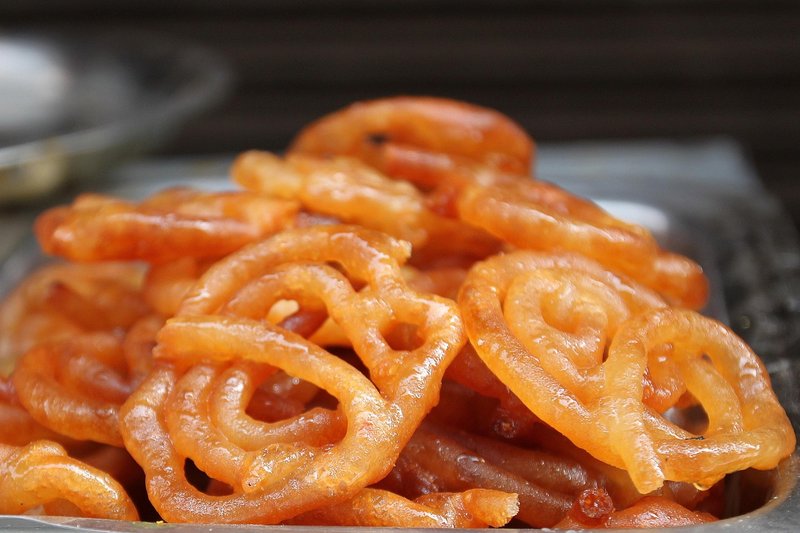

Haryana orders 150 extra sweet, dairy samples per district before Diwali
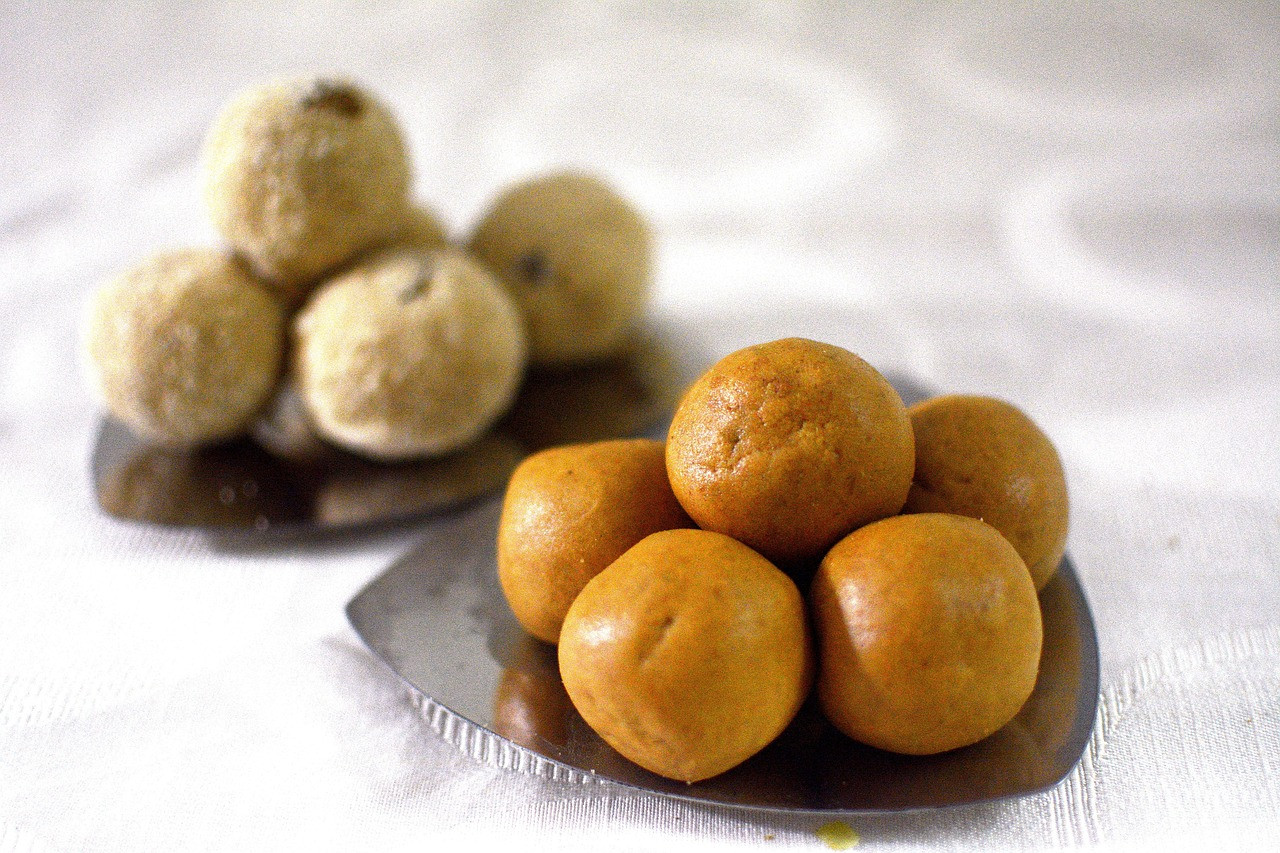
Representative image: veeroo18 / Pixabay
Haryana told districts on October 21, 2026 to collect 100-150 extra samples of sweets and dairy after 381 of 2,428 samples failed tests.
What Happened
Haryana has ordered a stepped-up food safety drive ahead of Diwali and Chhath Puja, with every district told to collect 100 to 150 extra surveillance samples of sweets, milk, paneer, khoya and ghee. State Health Minister Arti Singh Rao gave the direction, and the state's Food and Drug Administration (FDA) set out the plan in an official statement issued on Wednesday, October 21, 2026. The drive comes after laboratory tests found that 381 food samples collected in the state between April and September did not meet the prescribed standards.
Key Facts
- Each district must collect 100 to 150 additional surveillance samples during the festive season, on top of routine sampling.
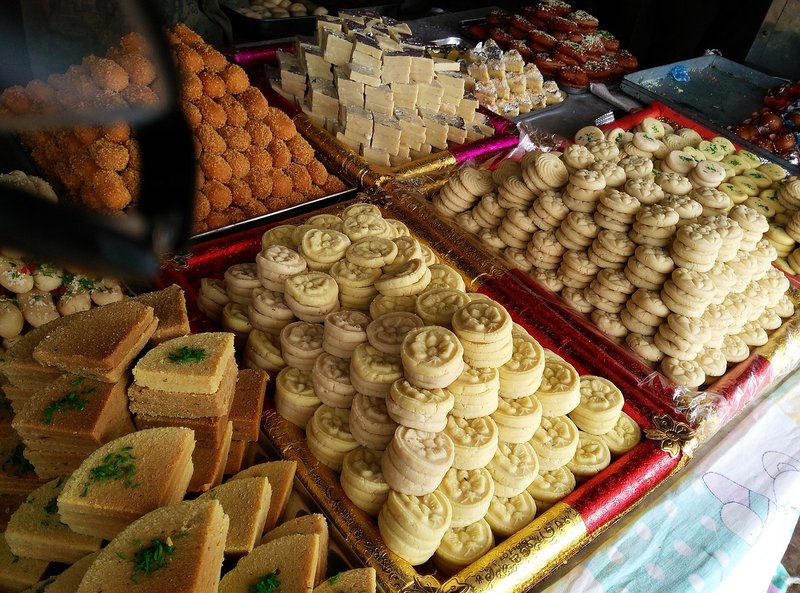
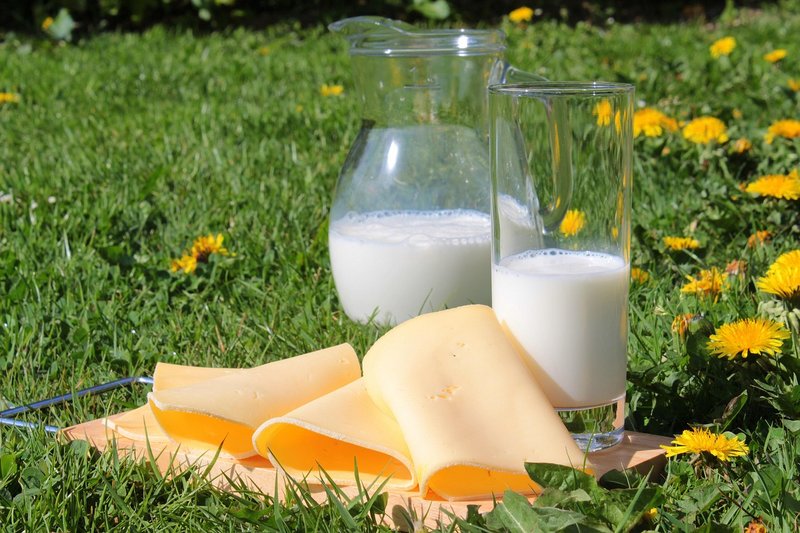
- The focus is on festive staples: sweets, milk, paneer, khoya and ghee.
- Between April 1 and September 30, 2026, food safety officers collected 2,428 samples: 1,239 enforcement samples and 1,189 surveillance samples.
- Laboratory analysis found 232 enforcement samples and 149 surveillance samples non-conforming, a total of 381.
- Deputy Commissioners are to set up district surveillance teams of Designated Officers and Food Safety Officers to visit markets, sweet shops, dairies and milk vendors.
- Officials at headquarters must upload weekly data on substandard or unsafe samples to the department's state portal.
- The state drive follows a nationwide request from the Food Safety and Standards Authority of India (FSSAI) for tighter checks over the Navratri-to-Diwali season.
Why It Matters
Sweets made from milk, khoya and ghee sit at the centre of how India celebrates Diwali and Chhath. Families buy them in bulk for their own homes, for gifts and for offerings. That surge in demand, packed into a few weeks, is exactly when food regulators say the risk of adulteration rises: dairy supply does not grow as fast as demand, and some sellers stretch it with cheaper fats, starch or synthetic substitutes.
The numbers from Haryana's own laboratories explain why the state is acting now. Of the 2,428 samples tested in the six months to September, 381 failed, which works out to roughly one in six. The figures do not by themselves say how many of those were unsafe to eat and how many were only substandard (for example, a lower fat content than the label promised, or a labelling fault). In food law, those are different findings with different penalties. What the figures do show is that failures are not rare, and that the festive rush is likely to test the system further.
The difference between the two kinds of samples also matters. An enforcement sample is collected when an inspector suspects a problem, and it can lead to prosecution. A surveillance sample is collected to see what is on the market in general. The new order asks districts to collect many more surveillance samples, which is meant to give the department a wider picture of what shoppers are actually buying, not only to catch known offenders.
For readers who follow heritage food traditions, the drive is a reminder that the value of a traditional sweet depends on what goes into it. Pure ghee and fresh khoya are the reason these foods hold a special place at festivals; an imitation product sold under the same name takes away both the taste and the trust.
| Haryana sample results, April to September 2026 | Collected | Not conforming |
|---|---|---|
| Enforcement samples | 1,239 | 232 |
| Surveillance samples | 1,189 | 149 |
| Total | 2,428 | 381 |
Impact
Short-term: Sweet shops, dairies and milk vendors across Haryana's districts can expect more inspections and sample collection in the weeks before Diwali and Chhath Puja. Traders whose samples fail could face notices, fines or prosecution under the Food Safety and Standards Act, depending on what the laboratory finds.
Long-term: The weekly upload of results to the state portal could give the department a clearer, regular record of where and in which products failures cluster. If it is used well, that data could help the state target repeat offenders and high-risk products in future seasons rather than relying on one-off festive drives.
Who is affected: Consumers in Haryana buying sweets and dairy products for the festivals; sweet makers, dairy units and milk vendors; district food safety officers, who must meet the extra sampling target; and honest traders, who stand to gain if adulterated products are pushed out of the market.
Key Takeaway
After 381 of 2,428 food samples failed laboratory tests between April and September, Haryana has told every district to collect 100 to 150 extra samples of sweets and dairy products before Diwali and Chhath Puja.
Questions and Answers
What has Haryana ordered ahead of Diwali and Chhath Puja?
Haryana's Health Minister Arti Singh Rao directed a stronger food safety drive, and the state Food and Drug Administration told every district to collect 100 to 150 extra surveillance samples of sweets, milk, paneer, khoya and ghee during the festive season, according to the department's statement of October 21, 2026.
How many food samples failed in Haryana this year?
Between April 1 and September 30, 2026, food safety officers collected 2,428 samples. Laboratory analysis found 381 of them, 232 enforcement samples and 149 surveillance samples, did not conform to the prescribed food safety standards.
Does a failed sample mean the food was dangerous?
Not necessarily. Under food safety law a sample can fail because it is unsafe, or because it is substandard or wrongly labelled. The state's published figures give the total that did not conform, without splitting them into these categories.
Who will carry out the checks?
Deputy Commissioners have been asked to form district surveillance teams of Designated Officers and Food Safety Officers. These teams will visit major markets, sweet shops, dairies, milk vendors and other food businesses, and headquarters will upload weekly data on substandard or unsafe samples to the state portal.
Disclaimer: Prepared by the Peepals newsroom from publicly available sources with AI assistance. Information is accurate to the best of our knowledge at the time of publication and may change. Images may be representative. Not professional advice. Report an error via our contact page.
Sourced and fact-checked by the Peepals Global Editorial Team
Ghana's traditional medicine council shuts three herbal shops over expired licences
Ten healthy diets all linked to slower biological ageing, DZNE study finds
Reported, fact-checked and published by the Peepals Global Editorial Team.