
Madhya Pradesh declares 50 ghee samples unsafe, orders 42 products recalled
 By Ishita SenCulture & Heritage Editor, Peepals Sanskriti
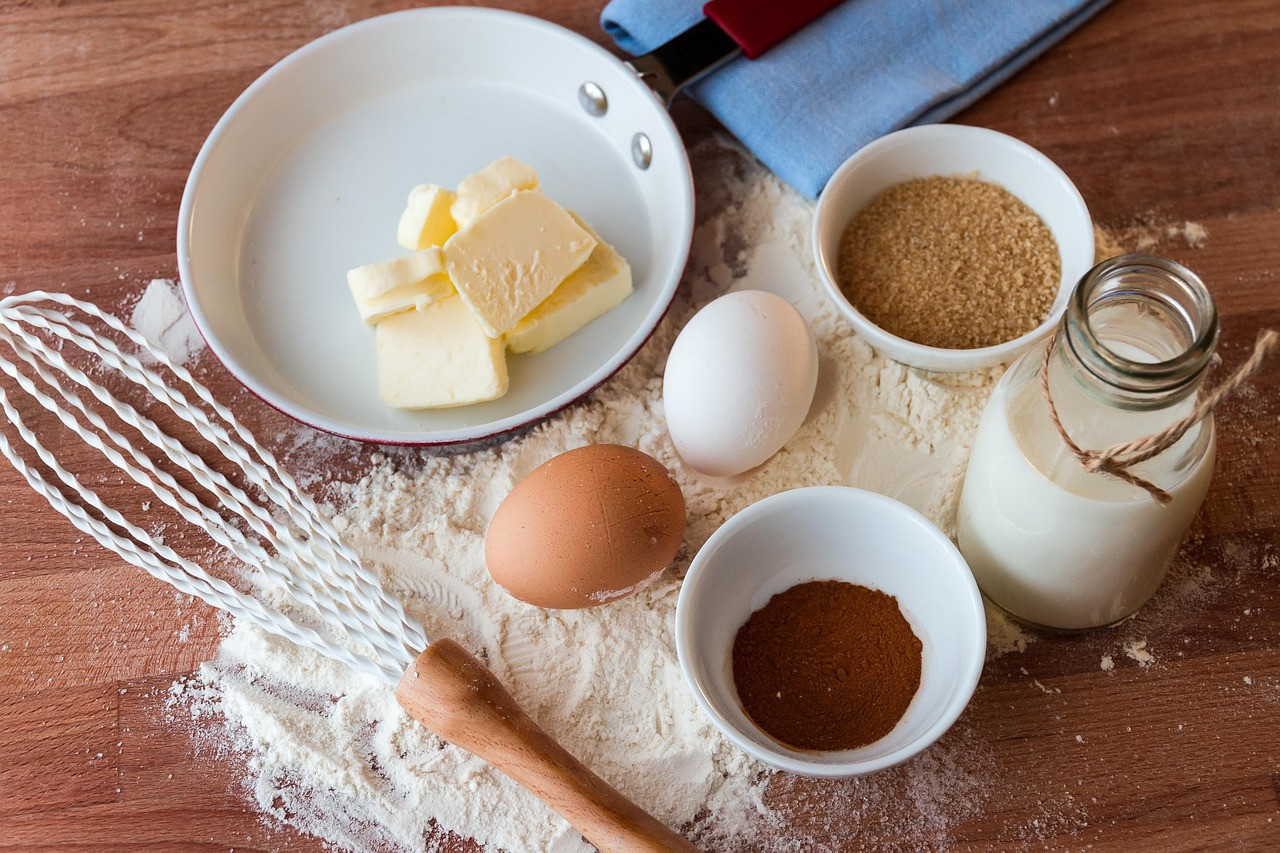
Representative image: moiranazzari / Pixabay
Madhya Pradesh's food regulator has declared over 50 ghee samples unsafe and ordered 42 products recalled nationwide after tests found plant fat, it was reported on 19 October 2026.
What Happened
Madhya Pradesh's Food and Drugs Administration has declared more than 50 ghee samples unsafe and ordered them off the market, in a crackdown reported on 19 October 2026, weeks before Diwali. Of these, 42 products, including ghee and some spices, have been ordered recalled across India, and the sale of eight other brands has been banned in the districts where they were sampled. Laboratory tests found a plant sterol called beta-sitosterol, which should not be present in pure ghee, pointing to adulteration with vegetable or other foreign fats.
Key Facts
- More than 50 ghee samples were declared unsafe by the Madhya Pradesh Food and Drugs Administration, as reported on 19 October 2026.
- 42 products, including ghee and spices, were ordered recalled nationwide.
- The sale of eight other brands was banned in the districts concerned.
- Laboratory reports found beta-sitosterol and a fatty-acid profile that did not match pure ghee, indicating mixing with vegetable and foreign fats.
- Districts named in the action include Chhindwara, Dhar, Indore, Narmadapuram, Ujjain and Datia.
- In a separate action in Indore, officials seized about 640 litres of suspected ghee worth nearly Rs 3 lakh.
Why It Matters
Ghee holds a special place in Indian food and tradition. It is used in daily cooking, in festive sweets, in temple offerings and lamps, and in many traditional wellness practices. That wide use also makes it a target for adulteration: when cheaper fats are mixed into ghee and sold as pure, buyers usually cannot tell the difference by look or smell.
The test that caught the samples in Madhya Pradesh is worth understanding. Pure ghee comes from milk fat. Plant oils carry their own natural compounds called phytosterols, and beta-sitosterol is one of the most common. Because these plant sterols should be absent in ghee made only from milk, finding beta-sitosterol is a strong sign that a vegetable fat has been added. Laboratories also check the fatty-acid composition, the mix of different fat molecules, which has a known pattern in genuine milk fat. Samples that failed on both counts were declared unsafe.
The timing is significant. Demand for ghee peaks in the festival season, when families make sweets at home and buy more from shops, and when ghee is used for lamps and offerings. That is also when food regulators across India step up checks. The order for a nationwide recall of 42 products means the action is not limited to shops in Madhya Pradesh; the products must be withdrawn wherever they are sold.
For households, the case is a reminder that a label alone does not guarantee purity. Keeping the bill and the packaging with its batch details makes it possible to trace a product if a problem is found later.
| Point | Detail |
|---|---|
| Samples declared unsafe | More than 50 |
| Products recalled nationwide | 42, including ghee and spices |
| Brands banned in districts | 8 |
| Marker found in tests | Beta-sitosterol (a plant sterol) |
| Districts named | Chhindwara, Dhar, Indore, Narmadapuram, Ujjain, Datia |
Impact
Short-term: Retailers and distributors must remove the listed products from shelves, and manufacturers must recall stock already sold across the country. Further legal action against the makers can follow under the food safety law.
Long-term: Large recalls raise the cost of cheating for ghee makers and push brands to tighten testing of their own supply. They may also lead more buyers to check licences and labels, and to choose brands whose quality has been independently tested.
Who is affected: Households in Madhya Pradesh and other states that bought the recalled products, dairies and ghee brands named in the orders, shopkeepers who stocked them, and food safety officers who carry out the checks.
Key Takeaway
Madhya Pradesh has declared more than 50 ghee samples unsafe and ordered 42 products recalled nationwide after tests found beta-sitosterol, a plant sterol that should not be in pure ghee, ahead of the festive season.
Questions and Answers
Why did Madhya Pradesh ban and recall ghee brands in October 2026?
The state's Food and Drugs Administration found more than 50 ghee samples unsafe after laboratory tests showed beta-sitosterol and an abnormal fatty-acid profile, signs of adulteration with vegetable or foreign fats. It ordered 42 products recalled across India and banned the sale of eight other brands in the districts concerned.
What is beta-sitosterol, and why does it matter in ghee?
Beta-sitosterol is a natural sterol found in plant oils. Pure ghee is made only from milk fat and should not contain it, so its presence in a ghee sample is a strong sign that cheaper vegetable fat has been mixed in.
Is the ghee recall only for Madhya Pradesh?
No. The 42 products in the recall order must be withdrawn from markets across India. The separate ban on eight brands applies in the Madhya Pradesh districts where those samples were taken.
How can buyers protect themselves from adulterated ghee?
Buyers can purchase packed ghee from licensed sellers, check the label and batch details, and keep the bill and packaging so a product can be traced. Products named in official recall orders should not be used and can be reported to local food safety officers.
Disclaimer: Prepared by the Peepals newsroom from publicly available sources with AI assistance. Information is accurate to the best of our knowledge at the time of publication and may change. Images may be representative. Not professional advice. Report an error via our contact page.
By Ishita Sen, Culture & Heritage EditorCovers Culture & Heritage and more for Peepals Sanskriti. All stories by Ishita Sen
Valmiki Jayanti holiday in UP: 75 districts plan October 26 events
Delhi seizes 322 kg ghee from shops pushing festive deals online
Ishita Sen is a pen name of the Peepals Global Editorial Team, which researches, fact-checks and publishes every story. The portrait is an illustration.