
Delhi seizes 322 kg ghee from shops pushing festive deals online
 By Ananya RaoAyush & Wellness Correspondent, Peepals Sanskriti
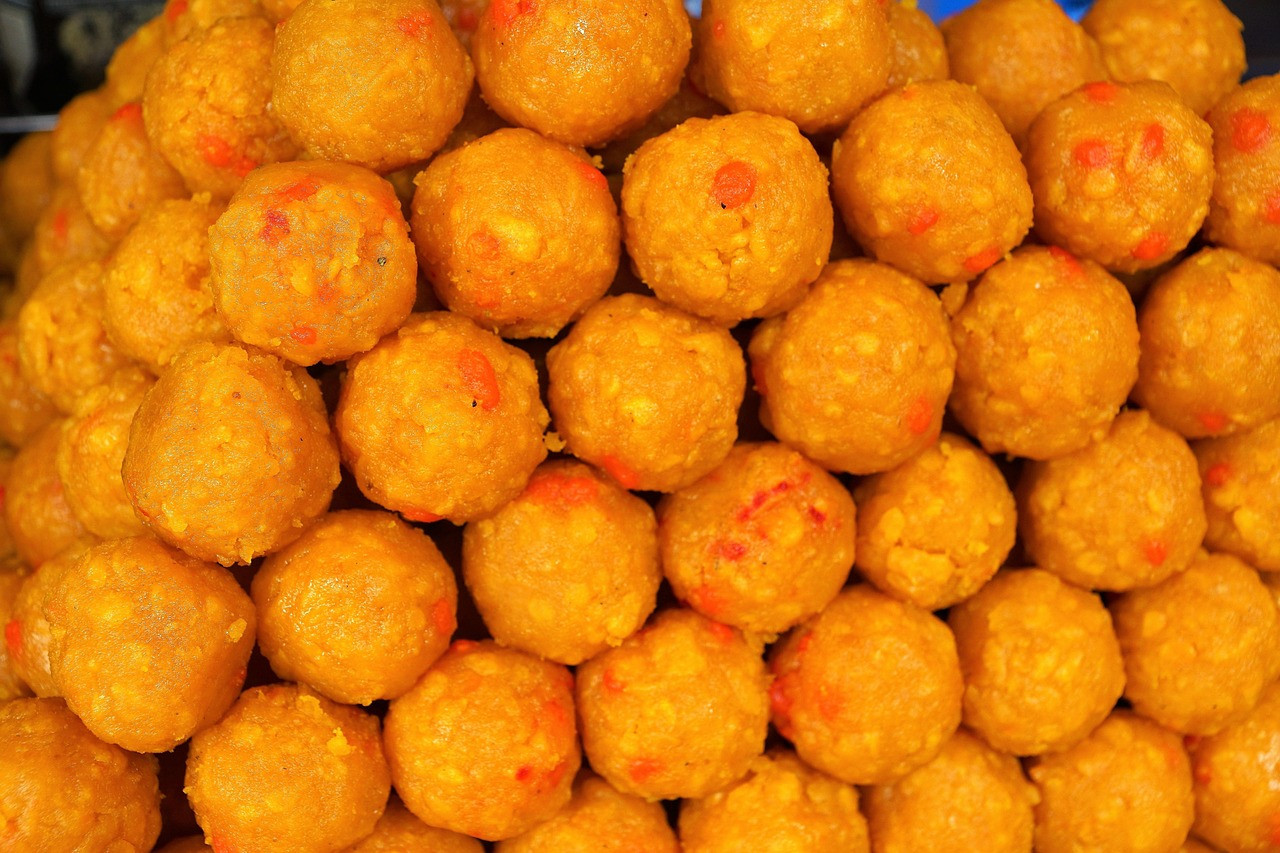
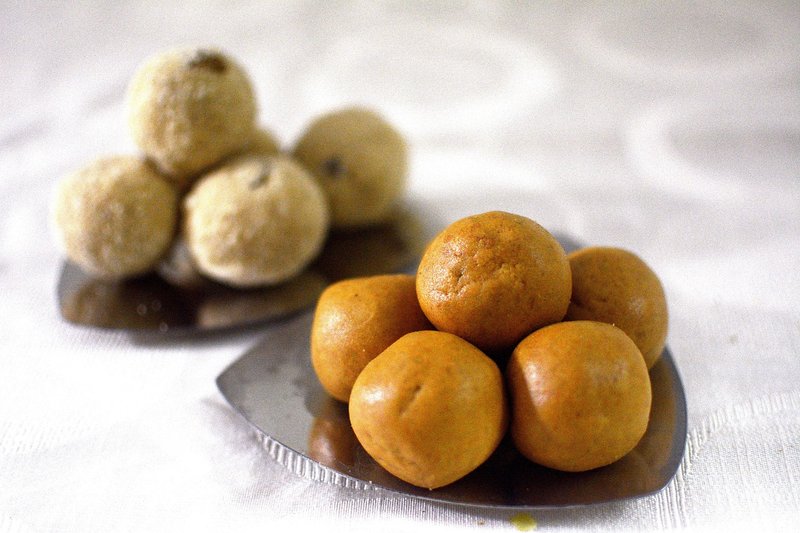
Representative image: photosforyou / Pixabay
Delhi's Food Safety Department seized about 322 kg of ghee from shops pushing BOGO deals on social media, and sent ghee, makhana and turmeric for tests, 23-24 October 2026.
What Happened
Delhi's Food Safety Department has seized about 322 kg of ghee from shops that were advertising heavy festive discounts through social media reels, and has sent samples of ghee, makhana (fox nuts) and turmeric powder for laboratory testing, according to reports of the drive published on 23 and 24 October 2026. Inspectors targeted stores promoting offers such as "Buy One, Get One Free" and discounts of up to 60 per cent ahead of Diwali. Chief Minister Rekha Gupta said the government would not tolerate food adulteration or irregularities that put public health at risk.
Key Facts
- Seizure: about 322 kg of ghee, the total reported so far in the drive, including more than 75.5 litres from stores in Vikaspuri.
- Target: shops pushing "Buy One, Get One Free" deals and discounts of up to 60 per cent through social media reels.
- Samples: makhana and turmeric powder were also collected from stores in Lajpat Nagar and Rithala.
- Testing: all samples have been sent to the state food laboratory; results have not yet been reported.
- Purpose, according to the department: to stop the sale of unsafe, substandard, expired or wrongly labelled food in the festive season.
- Next step: officials said action would follow once laboratory reports are reviewed.
- Political message: Chief Minister Rekha Gupta described a zero-tolerance approach to adulteration.
Why It Matters
Ghee holds a central place in Indian kitchens and rituals. It is used in sweets, in daily cooking and in lamps and offerings during festivals, and demand rises sharply before Diwali. That seasonal spike is also when food safety departments step up their checks for adulterated, expired and mislabelled products. Turmeric and makhana, which were also sampled, are everyday ingredients and popular festive gifts and snacks.
The new element in this drive is its focus on social media. Many small brands and shops now sell food through short video reels, with eye-catching discounts. A price far below the usual market rate for a product such as ghee can be a warning sign. By choosing shops on the basis of their online offers, the department is treating suspiciously cheap deals as a lead for inspection. This reflects how the food market has changed: consumers increasingly discover and buy food through their phones, not only at the local shop.
It is important to note what the drive has and has not established. The ghee has been seized and samples are under testing, but no laboratory result has yet been published. Some reports describe the seized ghee as unsafe, others as of suspicious quality and pricing. Until the results are out, the seizure is a precaution, not proof that the products were adulterated.
For families, a few simple checks help: buy from known sellers, check the label for the licence number of the Food Safety and Standards Authority of India, the batch number and the dates of manufacture and expiry, and be careful with offers that look too good to be true.
| Drive detail | What has been reported |
|---|---|
| Ghee seized | About 322 kg in total |
| Vikaspuri stores | More than 75.5 litres of ghee |
| Other samples | Makhana and turmeric (Lajpat Nagar, Rithala) |
| Trigger | Social media reels with BOGO and up to 60% discounts |
| Lab results | Pending |
Impact
Short-term: Shops that were inspected cannot sell the seized stock while tests are pending. Online sellers in Delhi offering steep festive food discounts can expect closer scrutiny in the days before Diwali on 8 November.
Long-term: If laboratory tests confirm adulteration, the sellers face action under the Food Safety and Standards Act, 2006. The approach of using social media offers as a guide for inspection could be adopted by other states as more food is sold online.
Who is affected: Households buying ghee, sweets and festive staples in Delhi, small food brands and shops that sell through social media, and food safety officials and laboratories handling the festive rush of samples.
Key Takeaway
Delhi seized about 322 kg of ghee and sampled makhana and turmeric from shops pushing steep festive discounts on social media, with lab results due before any further action.
Questions and Answers
Why did Delhi's food safety department seize ghee in October 2026?
In a festive-season drive reported on 23 and 24 October 2026, inspectors targeted shops advertising "Buy One, Get One Free" and up to 60 per cent discounts through social media reels, and seized about 322 kg of ghee to check for unsafe, substandard, expired or mislabelled products.
Has the seized ghee been found to be adulterated?
Not yet. Samples have been sent to the state laboratory, and officials said action would follow after the test reports are reviewed. Until then, the seizure is a precaution.
What other foods were sampled in the Delhi drive?
Inspectors collected samples of makhana and turmeric powder from stores in Lajpat Nagar and Rithala. Their results have also not been reported yet.
How can shoppers reduce the risk of buying adulterated ghee before Diwali?
Buy from known sellers, check the FSSAI licence number, batch number and manufacturing and expiry dates on the pack, and be cautious with prices far below the normal market rate.
Disclaimer: Prepared by the Peepals newsroom from publicly available sources with AI assistance. Information is accurate to the best of our knowledge at the time of publication and may change. Images may be representative. Not professional advice. Report an error via our contact page.
By Ananya Rao, Ayush & Wellness CorrespondentCovers Ayush and more for Peepals Sanskriti. All stories by Ananya Rao
Ananya Rao is a pen name of the Peepals Global Editorial Team, which researches, fact-checks and publishes every story. The portrait is an illustration.