
Spices, edible oil lead Rs 63.45 crore festive food seizures in Maharashtra
 By Devansh TiwariKnowledge Systems Writer, Peepals Sanskriti
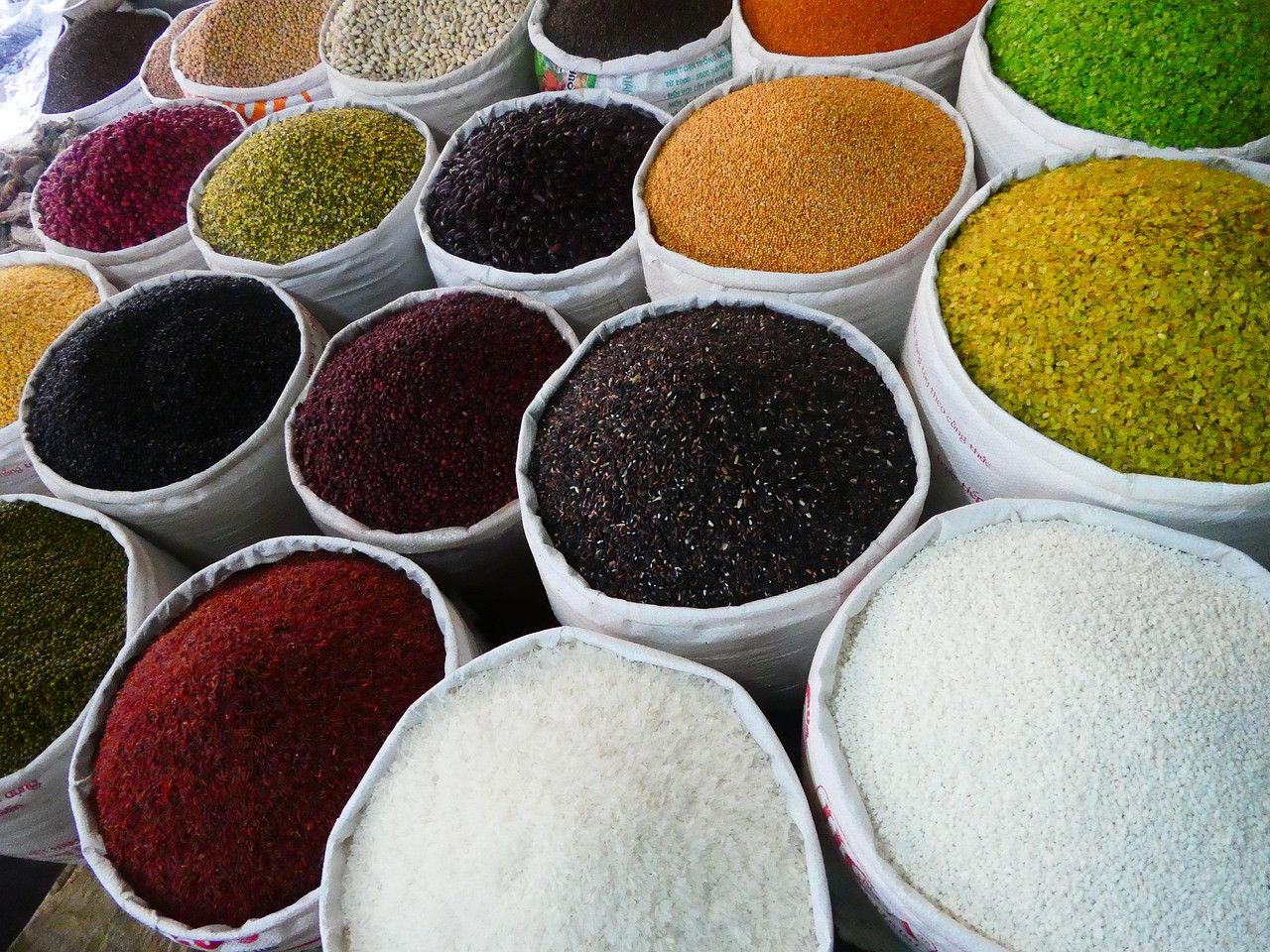
Representative image: MimmiDieLesemaus / Pixabay
Maharashtra's FDA seized 3,098 tonnes of food worth Rs 63.45 crore and suspended 954 licences from 1 September to 3 November 2026, figures released on 5 November show.
What Happened
Maharashtra's Food and Drug Administration (FDA) seized about 3,098 tonnes of food worth Rs 63.45 crore and suspended 954 food licences and registrations during a statewide festival-season drive from 1 September to 3 November 2026, according to figures released on Thursday, 5 November 2026. Edible oils and spices made up the largest share of the seized stock. Most of the value was seized in the three weeks before Diwali, when demand for sweets, ghee, khoa and oil peaks. The FDA also urged buyers to purchase sweets, khoa and ghee only from licensed sellers and to check labels before buying.
Key Facts
- Period: 1 September to 3 November 2026, statewide.
- Seized: 3,098.46 tonnes of food stock worth Rs 63.45 crore.
- Inspections: 9,667 food businesses, according to one report (another gives 9,637).
- Action: 4,603 improvement notices issued, 954 licences or registrations suspended, and steps taken to cancel 25.
- Testing: 8,835 food samples collected.
- Diwali phase, 15 October to 3 November: 3,332 businesses inspected, 1,501 notices, 326 suspensions, and 1,886.44 tonnes worth Rs 44.37 crore seized.
- By product: edible oils, 925.11 tonnes worth Rs 16.31 crore; salt, spices and condiments, 895.32 tonnes worth Rs 21.09 crore.
- Pune division carried out the most inspections, 2,540, according to a local report.
Why It Matters
Indian festivals are built around food. Sweets made with khoa and ghee, snacks fried in oil, and dishes rich in spices are shared across families and offered at prayers. That surge in demand is also when adulterated or poorly stored food is most likely to reach homes, as sellers rush to meet orders. Food safety departments across states step up checks in this season for that reason.
Maharashtra's numbers show the scale of the problem. The drive did not only target sweet shops: the biggest seizures by value were of spices and condiments, followed by edible oils, two staples used in almost every Indian kitchen. A licence suspension also means a business must stop selling until it fixes the problems found.
The figures describe enforcement, not test results. Of the 8,835 samples collected, the reports did not say how many failed laboratory tests, so the seizures should not be read as proof that all the stock was unsafe. Some food is seized for poor storage, missing labels or lack of a licence.
For households, the FDA's advice is practical: buy from licensed shops, and check the FSSAI licence number, expiry date, manufacturing details and label on packaged food. Separately, the FDA tested gold-plated sweets priced at Rs 24,000 a kg in Amravati, according to another report, a sign that inspectors are also looking at premium festive products.
Peepals calculation: The seized stock was worth about Rs 205 a kg on average (63.45 crore ÷ 30,98,460 kg ≈ Rs 204.8). The Diwali phase of about three weeks accounted for 70% of the value seized over the two months (44.37 ÷ 63.45 = 0.699). Seized edible oil was valued at about Rs 176 a kg (16.31 crore ÷ 9,25,110 kg) and spices and condiments at about Rs 236 a kg (21.09 crore ÷ 8,95,320 kg). Suspensions came to roughly one for every 10 businesses inspected (954 ÷ 9,667 = 0.099). Our calculation from the reported figures.
| Item | Full drive (1 Sep to 3 Nov) | Diwali phase (15 Oct to 3 Nov) |
|---|---|---|
| Businesses inspected | 9,667 | 3,332 |
| Improvement notices | 4,603 | 1,501 |
| Licences suspended | 954 | 326 |
| Stock seized | 3,098.46 tonnes, Rs 63.45 crore | 1,886.44 tonnes, Rs 44.37 crore |
Impact
Short-term: Shops whose licences were suspended must stop trading until the FDA is satisfied, and the seized stock stays out of the market during the peak Diwali week.
Long-term: Results from the 8,835 samples may lead to prosecutions or cancellations, and repeated drives could push more food businesses to get licences and improve storage.
Who is affected: Households buying festive food in Maharashtra; sweet shops, oil and spice traders and other food businesses; and the FDA, which must now process thousands of samples.
What to watch next: Laboratory results on the 8,835 samples and any cancellations beyond the 25 already under way.
Key Takeaway
Maharashtra's FDA seized food worth Rs 63.45 crore and suspended 954 licences in a festival-season drive from 1 September to 3 November 2026, with 70% of the value seized in the three weeks before Diwali.
Questions and Answers
How much food did the Maharashtra FDA seize before Diwali 2026?
About 3,098 tonnes worth Rs 63.45 crore between 1 September and 3 November 2026, including 1,886.44 tonnes worth Rs 44.37 crore from 15 October to 3 November.
How many food licences were suspended?
954 licences or registrations were suspended, 4,603 improvement notices were issued, and action to cancel 25 licences was started.
Which foods made up most of the seizures?
By value, salt, spices and condiments (Rs 21.09 crore) and edible oils (Rs 16.31 crore) were the largest categories.
What does the FDA advise buyers?
To buy sweets, khoa and ghee only from licensed or registered sellers, and to check the FSSAI licence number, expiry date, manufacturing details and label on packaged food.
Disclaimer: Prepared by the Peepals newsroom from publicly available sources with AI assistance. Information is accurate to the best of our knowledge at the time of publication and may change. Images may be representative. Not professional advice. Report an error via our contact page.
By Devansh Tiwari, Knowledge Systems WriterCovers Knowledge Systems and more for Peepals Sanskriti. All stories by Devansh Tiwari
Jamu oversight: Indonesia's BPOM, WHO train officers in risk-based sampling
Mahabharata, Arthashastra, Rajatarangini manuscripts enter UNESCO memory register
Get the day's stories in your inbox
Peepals Weekly: the week decoded, free. One email a week, unsubscribe in one click.
Devansh Tiwari is a pen name of the Peepals Global Editorial Team, which researches, fact-checks and publishes every story. The portrait is an illustration.